


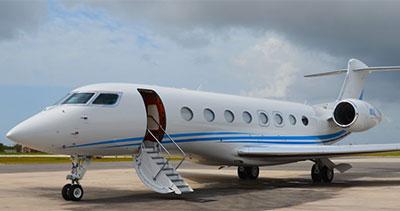
Private jets, traditionally seen as symbols of luxury and convenience, are rapidly evolving to meet the growing demands of modern travel. While the focus has historically been on providing top-tier comfort and speed for passengers, private jets are now also becoming more sophisticated in managing cargo and storage. In the past, cargo management on private jets often involved manual processes, complex logistics, and significant operational costs. However, the introduction of AI-based cargo and storage management systems is set to revolutionize this aspect of aviation, optimizing operations and improving overall efficiency, security, and passenger experience.
AI-driven technologies have already proven their potential in various sectors, and their integration into private jet operations is the next logical step. As jets become more intelligent and interconnected, AI will play a pivotal role in the future of private jet cargo and storage management. Let’s explore how AI is shaping this area of aviation.
The Current State of Private Jet Cargo and Storage Management
Private jets are often used for a wide range of purposes beyond passenger transport, including the transportation of goods, equipment, and other valuable cargo. Whether it’s transporting high-value items, medical supplies, or personal belongings, the management of cargo and storage on a private jet is a delicate and time-sensitive process. Traditionally, this has involved managing manual loading/unloading, storage arrangements, and cargo tracking, with a reliance on human intervention at every stage.
Several factors complicate this process, including the limited space available, varying cargo sizes, different cargo types, and the need for efficient inventory tracking. Additionally, managing cargo on a private jet often requires coordination between flight crews, ground staff, and operations teams, adding complexity to the entire workflow.
AI in Private Jet Cargo and Storage Management
The integration of AI into private jet cargo and storage management promises to optimize and automate many of these processes, ensuring that the use of space, time, and resources is maximized. AI-based systems are being developed to address a variety of challenges in this domain, including space optimization, cargo tracking, inventory management, security, and personalization.
- AI-Driven Space Optimization
One of the most significant challenges in private jet cargo management is the efficient use of limited storage space. Unlike large commercial airlines, private jets have a restricted amount of space in the cabin and cargo hold, making it crucial to optimize how cargo is arranged.
AI-based systems equipped with machine learning algorithms can analyze the size and shape of each cargo item and determine the optimal arrangement for maximum space utilization. These systems can dynamically adjust storage plans based on cargo characteristics, weight distribution, and the flight’s specific requirements. This type of space optimization would reduce the chances of underutilized cargo holds and wasted space, ultimately increasing operational efficiency and providing an opportunity for additional cargo.
For example, AI can arrange cargo in real-time by factoring in flight duration, weight restrictions, and passenger comfort to ensure that items are securely stored while allowing for smooth flight operations. In some cases, AI can even suggest alterations to cargo configurations during the flight if any changes occur, such as shifts in weight or additional items being loaded.
- Predictive Cargo Tracking and Management
AI’s predictive capabilities are particularly beneficial when it comes to tracking cargo throughout the entire journey. Real-time cargo tracking using AI systems allows operators to continuously monitor cargo movements, ensuring that it remains secure and intact throughout the flight. By integrating AI with IoT sensors embedded in the cargo hold, cargo can be tracked using a range of parameters such as location, temperature, humidity, and motion.
This level of predictive management means that potential risks, such as a shift in cargo weight or improper storage conditions, can be detected and mitigated before they become issues. AI-powered systems can even communicate with the flight crew to alert them if something needs attention, such as a drop in the temperature of sensitive goods like pharmaceuticals.
Moreover, predictive algorithms can offer insights into when cargo will need to be unloaded or transferred based on time-of-day, flight schedules, and the specific needs of passengers. This reduces waiting times for unloading cargo upon landing and ensures that the entire process runs smoothly.
- Enhanced Security with AI Monitoring
Cargo security is a critical concern for private jets, especially when transporting high-value items or sensitive materials. Traditional security measures, such as human inspection and manual checks, can be time-consuming and prone to errors. AI-based systems, however, can offer advanced security monitoring that is both efficient and accurate.
Using machine learning models and image recognition algorithms, AI can continuously scan cargo for anomalies or items that might pose a security risk. For example, AI-powered systems could use x-ray imaging or 3D scanning to assess the contents of each cargo container, ensuring that there are no prohibited items hidden inside. These systems can operate in real-time, analyzing large volumes of data and providing instant feedback to the crew.
AI can also help detect tampering or unauthorized access to the cargo hold. Through facial recognition, biometric scanning, or real-time monitoring systems, any suspicious activity can be flagged and addressed before it escalates, enhancing security protocols and providing peace of mind for both passengers and operators.
- Intelligent Cargo Sorting and Customization
Another area where AI will improve cargo management is cargo sorting. For jets transporting multiple types of cargo, such as personal items, luxury goods, or medical equipment, AI can automatically sort and arrange items according to their specific needs. By integrating AI with RFID tags, barcode scanning, and smart labeling, AI can automatically categorize cargo, track its destination, and ensure that each item is loaded or unloaded in the correct order.
AI also allows for personalized cargo experiences based on the preferences or needs of the passengers. For example, certain passengers may have specific requests regarding the storage of delicate or valuable items, such as artwork or rare collectibles. AI-based systems can be programmed to cater to these specific requirements, ensuring that items are stored in a way that minimizes risk and maximizes safety.
- Streamlined Inventory Management
AI-based systems are also poised to streamline inventory management for private jet operators. By continuously monitoring and logging all cargo on board, AI systems can keep track of each item, ensuring that there are no discrepancies or missing goods. This level of detailed inventory management can be especially beneficial for frequent flyers who rely on private jets to transport their business or personal items regularly.
AI-powered systems can alert operators when specific items need restocking or when certain cargo items are nearing their expiration (for sensitive materials). Furthermore, inventory management can be linked to a broader logistics network, allowing cargo to be automatically loaded, unloaded, or forwarded to other locations as needed.
Benefits of AI-Based Cargo and Storage Management
- Increased Efficiency
AI systems bring significant efficiency gains to private jet cargo management by automating many of the tasks that were previously done manually. These improvements lead to faster, more accurate cargo handling, reducing operational delays and optimizing flight turnaround times.
- Cost Reduction
By optimizing storage space, improving cargo handling, and reducing the need for manual intervention, AI can significantly lower operational costs. This leads to a more profitable and sustainable approach to private jet cargo management.
- Improved Customer Experience
With AI-enhanced cargo management, passengers can rest assured that their valuable or delicate cargo will be handled efficiently and securely. AI also offers a more personalized service by tailoring cargo arrangements based on individual passenger preferences, enhancing the overall experience.
- Enhanced Safety and Security
AI systems enhance safety by constantly monitoring cargo conditions, detecting anomalies, and providing early warnings about potential risks. This ensures that the cargo holds remain secure and that the flight proceeds without any security issues.
The Future of AI in Private Jet Cargo and Storage
Looking ahead, AI will continue to evolve and play a vital role in shaping the future of cargo management in private aviation. From autonomous cargo systems that handle loading and unloading tasks to smart inventory systems that streamline the entire logistics process, AI will redefine how private jets handle and transport cargo. With advancements in robotics, machine learning, and real-time analytics, private jets will become even more intelligent, autonomous, and efficient in managing their cargo and storage needs.
As the technology advances, we may even see fully autonomous cargo management systems that allow private jets to function without the need for human intervention in the cargo handling process. This level of automation, paired with predictive AI systems, will bring about a new era of private jet operations, where cargo management is as seamless and efficient as the rest of the flight experience.
Conclusion
AI is set to transform private jet cargo and storage management, making it more efficient, secure, and cost-effective. Through the use of predictive analytics, machine learning, automated tracking, and real-time optimization, AI-based systems will streamline cargo handling and improve the passenger experience. As these technologies continue to evolve, private jets will become smarter, more personalized, and even more luxurious, meeting the growing demands of both passengers and operators.


