


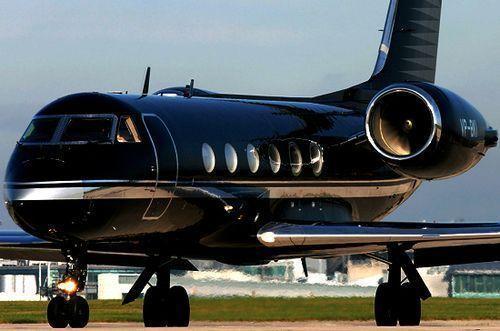
The future of private jet travel is not just about luxury amenities or speed; it’s also about ensuring that these high-tech flying machines are safe, reliable, and operating at peak performance. Enter AI-powered predictive maintenance, a groundbreaking innovation poised to transform the way private jets are maintained. By leveraging the power of artificial intelligence (AI), maintenance teams are able to predict issues before they arise, minimizing downtime, reducing costs, and maximizing the efficiency of the aircraft.
In the next decade, AI is expected to play an even larger role in the world of aviation maintenance. This article will explore how AI-powered maintenance systems are shaping the future of private jet upkeep, the benefits of predictive maintenance, and what it means for the private aviation industry as a whole.
What is AI-Powered Predictive Maintenance?
AI-powered predictive maintenance refers to the use of artificial intelligence and machine learning (ML) algorithms to analyze data collected from aircraft systems, sensors, and historical maintenance records. This data is used to predict potential issues before they occur, allowing for proactive maintenance and reducing the likelihood of unexpected failures during flight.
The key difference between traditional maintenance and predictive maintenance is that traditional maintenance is usually scheduled at regular intervals, regardless of the actual condition of the components. This can lead to unnecessary maintenance tasks and increased operational costs. Predictive maintenance, on the other hand, uses real-time data to determine when a part or system is likely to fail, allowing for maintenance to be scheduled only when it’s truly needed.
In the context of private jets, AI can help with:
- Monitoring aircraft systems: AI can track various parameters like engine performance, air pressure, temperature, and vibration levels in real time to detect any abnormal behavior.
- Analyzing historical data: By analyzing past maintenance logs, flight data, and component performance, AI can predict when a part will likely need to be replaced or serviced.
- Optimizing maintenance schedules: AI can help aviation companies optimize their maintenance schedules, reducing downtime and ensuring that aircraft are ready for use when needed.
How AI-Powered Maintenance Works in Private Jets
AI-powered maintenance systems rely on a combination of sensors, data analytics, and machine learning to monitor the health of an aircraft. Here’s how it works:
- Sensors and Data Collection: Modern private jets are equipped with a variety of sensors that collect real-time data on the condition of the aircraft. These sensors measure factors such as engine performance, fuel efficiency, temperature, vibration levels, and other critical metrics. The data is transmitted to a central system for analysis.
- Data Analysis and Machine Learning: AI algorithms are then applied to the data to detect patterns and anomalies that could indicate potential issues. Machine learning models analyze historical data and current readings to predict when components are likely to fail. This allows maintenance teams to schedule repairs or part replacements before a failure occurs.
- Real-Time Alerts: AI-powered maintenance systems can provide real-time alerts to ground crews or operators, notifying them of any abnormal readings or potential issues. For example, if the engine is operating outside of its normal parameters, AI systems can notify maintenance teams that further inspection is required before the jet is cleared for another flight.
- Maintenance Decision Support: AI doesn’t just predict when maintenance is needed, it can also help maintenance teams prioritize tasks. The system can recommend which components need attention based on the severity of potential failures, helping aviation companies prioritize repairs that could impact safety or flight performance.
- Learning and Improving: As more data is collected over time, the AI system continues to learn and refine its predictions. The more data the system processes, the more accurate its predictions become, leading to even greater efficiency and cost savings in the long run.
The Benefits of AI-Powered Predictive Maintenance for Private Jets
The use of AI-powered predictive maintenance in private jets offers numerous advantages, including:
- Increased Safety
Safety is always the top priority in aviation, and AI-powered predictive maintenance can significantly enhance the safety of private jet flights. By detecting potential issues before they escalate into serious problems, predictive maintenance reduces the risk of in-flight failures. This proactive approach helps ensure that aircraft are always in optimal condition, making air travel safer for passengers and crew.
Predictive maintenance can identify potential risks related to engine malfunctions, hydraulic system failures, or other critical systems long before they become a threat, allowing for immediate attention and mitigation.
- Reduced Downtime
Traditional maintenance schedules are often rigid, meaning jets are grounded for maintenance at fixed intervals, even when they don’t necessarily need servicing. This can result in unnecessary downtime, impacting both availability and profitability. With AI-powered predictive maintenance, jets are only grounded when necessary, reducing unnecessary service periods.
By predicting when a part is likely to fail, airlines or jet owners can plan repairs during times when the aircraft isn’t in use, keeping their fleet in operation longer and more efficiently.
- Cost Savings
One of the most significant advantages of AI-powered predictive maintenance is the cost savings it brings to private jet owners and operators. Traditional maintenance practices often involve costly repairs and frequent part replacements that may not be needed. With predictive maintenance, parts are replaced only when they are likely to fail, reducing unnecessary costs.
In addition to reducing the cost of unnecessary repairs, predictive maintenance helps prevent expensive in-flight failures that could result in costly delays, emergency landings, or damage to the aircraft.
- Improved Aircraft Reliability
With predictive maintenance, private jets can become more reliable over time. By continuously monitoring the condition of key systems, AI can ensure that the aircraft operates at peak performance levels, reducing the likelihood of delays caused by mechanical failures or emergency repairs. The result is a more dependable fleet and more consistent flight schedules for private jet owners and charter services.
- Optimized Maintenance Schedules
AI-powered predictive maintenance allows for more flexible and optimized maintenance schedules. Instead of rigidly adhering to predetermined timelines, maintenance can be scheduled based on the actual condition of the aircraft, ensuring that resources are used efficiently and that downtime is minimized.
By predicting which parts need attention and when, operators can schedule maintenance during off-peak times or between flights, further improving fleet utilization and reducing operational disruptions.
- Longer Aircraft Lifespan
With more precise maintenance schedules and the ability to catch issues early, the overall lifespan of the aircraft is extended. By addressing problems before they become critical, AI can help prevent long-term damage to the aircraft’s components, ensuring that they last longer and perform better over the years.
- Environmental Benefits
AI-powered predictive maintenance can also have a positive impact on the environment. By reducing the frequency of unnecessary maintenance and optimizing aircraft performance, AI can help improve fuel efficiency and reduce carbon emissions. Additionally, with fewer parts being replaced unnecessarily, the amount of waste produced by aircraft maintenance can be significantly reduced, contributing to sustainability in aviation.
The Future of AI in Private Jet Maintenance
The role of AI in private jet maintenance is expected to continue growing, with new advancements in machine learning, sensor technology, and data analytics. In the future, AI-powered maintenance systems will become even more integrated into every aspect of the aircraft, from flight planning to real-time diagnostics.
Some of the exciting developments we can expect to see in the coming years include:
- Self-Diagnosing Aircraft: AI systems may evolve to the point where aircraft can self-diagnose issues in real-time. With embedded sensors and smart systems, private jets may be able to identify issues autonomously and alert maintenance teams even before a failure occurs, without the need for external monitoring.
- Automated Repairs: In the future, AI could play a role in automating certain repairs or adjustments to the aircraft, further reducing downtime and the need for human intervention. Imagine a system that could perform basic maintenance tasks or deploy diagnostic tools while the jet is still in flight.
- AI-Enhanced Pilot Systems: AI might eventually be integrated into cockpit systems, allowing pilots to have real-time insights into the condition of their aircraft, further improving safety and efficiency during flight.
- Blockchain Integration: Predictive maintenance data could be securely stored on blockchain networks, ensuring transparency and accountability in the maintenance process and creating verifiable maintenance histories for aircraft.
Conclusion
AI-powered predictive maintenance is revolutionizing the world of private jet upkeep, providing a smarter, more efficient, and cost-effective way to maintain these luxury aircraft. By predicting failures before they occur, reducing downtime, improving safety, and enhancing cost-efficiency, AI is shaping the future of private jet maintenance. As the technology evolves, we can expect even more innovative solutions that will further improve the flying experience, making air travel even more seamless, safe, and reliable.


