


Redefining the Traditional Airport Structure
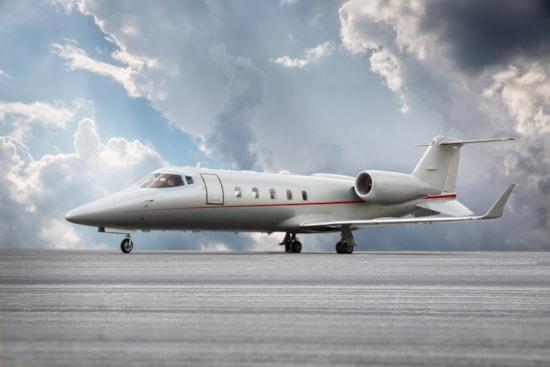
Currently, airports primarily serve commercial flights, with private jets having designated hangars or terminal areas to handle smaller, exclusive flights. These facilities are functional, but they are not designed with the growing needs of the private jet industry in mind. Skyports will change this by introducing a concept that blends the latest advancements in technology, design, and operational efficiency. These modern spaces will not only serve as storage for aircraft but will become hubs that cater to every need of private jet owners, from maintenance and refueling to luxury services for passengers.
Skyports will be strategically located to offer easy access to major metropolitan areas, as well as remote destinations, allowing private jets to operate efficiently in global networks. These hubs will be essential in helping private jet travel expand to meet increasing demand, especially in regions experiencing growth in luxury aviation.
Streamlined Aircraft Storage and Maintenance
One of the primary features of a Skyport will be its focus on efficient, secure, and state-of-the-art aircraft storage. Traditional hangars are often limited in terms of space, functionality, and the level of maintenance and servicing they can provide. Skyports will transform this by offering massive, high-tech facilities equipped with advanced systems to cater to a wide variety of private jets.
Unlike conventional hangars, Skyports will feature automated storage systems that utilize artificial intelligence, robotics, and advanced sensor technologies to ensure that aircraft are stored and retrieved with precision and efficiency. The aircraft’s location will be tracked in real-time, allowing for easy access and rapid deployment for flight departures. These automated systems will help eliminate delays, reduce human error, and optimize the use of available space.
Additionally, maintenance services will be a key part of the Skyport experience. With increasing complexity in private jet designs, Skyports will need to provide more than just basic servicing. Advanced repair facilities, specialized equipment, and expert technicians will be on hand to maintain aircraft, perform inspections, and address any issues that arise. The focus will be on minimizing downtime, ensuring that jets are always ready for flight and in optimal condition.
Luxury Passenger Services
In line with the evolving expectations of private jet travelers, Skyports will offer world-class luxury services. Gone are the days when passengers would have to wait in standard airport terminals for their flights. In a Skyport, the passenger experience will be a seamless extension of the luxurious travel that private jets provide.
For example, private jet passengers will be able to enjoy exclusive lounges equipped with the finest amenities, including gourmet dining options, personalized concierge services, and comfortable spaces for relaxation. Skyports will be designed with privacy in mind, ensuring that each aspect of the travel experience is customized to the needs of the passenger. In addition, passengers will have access to luxury shopping, spa treatments, and even bespoke entertainment options, making their time at the Skyport as enjoyable as the flight itself.
Another benefit of Skyports will be the ability to offer faster and more efficient boarding processes. With advanced biometric systems and AI-driven security, the check-in and boarding processes will be streamlined, reducing waiting times and providing a more personalized experience. Passengers will be able to board their flights almost immediately upon arrival, without the lengthy queues typical of commercial air travel.
Seamless Integration with Urban Mobility Networks
One of the key concepts driving the future of Skyports is the integration of private jet travel with other modes of transportation. Just as airports are critical points in the global transportation network, Skyports will play a vital role in connecting private jet travel with urban and regional mobility systems.
For instance, private jet passengers will be able to seamlessly transition from one mode of transportation to another. Whether it’s from a Skyport to a nearby urban area by helicopter, car, or autonomous vehicle, the Skyport will function as a hub for all forms of mobility. This integration will help bridge the gap between private air travel and the ground-based transportation systems, making it easier for passengers to reach their final destination without any hassle.
Skyports will also contribute to the development of urban air mobility (UAM). As the demand for flying cars, drones, and other aerial vehicles increases, Skyports will be equipped to handle these new modes of transportation. Whether it’s drones delivering packages, autonomous flying vehicles transporting passengers, or air taxis providing quick transfers, the Skyport will be the focal point for this next wave of innovation in personal air transportation.
Sustainability and Green Technologies in Skyports
Sustainability will be a major focus of future Skyports. As the aviation industry works to reduce its environmental impact, Skyports will be designed with cutting-edge green technologies to minimize their ecological footprint. Renewable energy sources such as solar panels, wind turbines, and even biofuels will be incorporated into the infrastructure, reducing reliance on fossil fuels and promoting a cleaner, more sustainable future for air travel.
Skyports will also feature advanced waste management systems, water conservation methods, and energy-efficient building designs. The use of sustainable materials in the construction of these facilities will be key in ensuring that they meet environmental standards and contribute to a greener future. In addition, green spaces and eco-friendly landscaping will be integrated into the Skyport design, creating a pleasant, environmentally conscious atmosphere for passengers and staff.
As private jets transition to more eco-friendly technologies, such as hybrid-electric and fully electric aircraft, Skyports will be equipped with the necessary infrastructure to support these developments. Charging stations, dedicated maintenance areas for electric aircraft, and green-certified fueling stations will become essential features of future Skyports.
The Global Expansion of Skyports
As private aviation continues to grow, Skyports will play a crucial role in the global expansion of private jet travel. These hubs will not only serve major cities but will also be strategically located in emerging markets where demand for private jet services is on the rise. Regions such as Asia, the Middle East, and Latin America are expected to see significant growth in private aviation, and Skyports will be essential in supporting this expansion.
Airports will evolve into interconnected networks of Skyports, linking global cities and remote destinations with private jet travel. These Skyports will not just be about storing aircraft and providing luxurious services; they will be part of a larger ecosystem of sustainable, efficient, and integrated mobility solutions.
The Future of Skyports: A New Era of Private Jet Travel
The future of private jet storage is not just about the aircraft; it’s about transforming the entire experience of private jet travel. Skyports will redefine how we think about airports, creating integrated, high-tech, and luxurious hubs that serve both the needs of private jet owners and the global mobility network. From automated storage systems to seamless integration with urban transportation, Skyports will shape the future of air travel, bringing efficiency, luxury, and sustainability into one cohesive experience.
As the demand for private aviation continues to grow, the evolution of private jet storage and the rise of Skyports will play a key role in shaping the future of air travel. Skyports will be the gateways to the skies of tomorrow, where technology, luxury, and efficiency converge to provide an a very uniqueed experience for those who travel above and beyond.


