


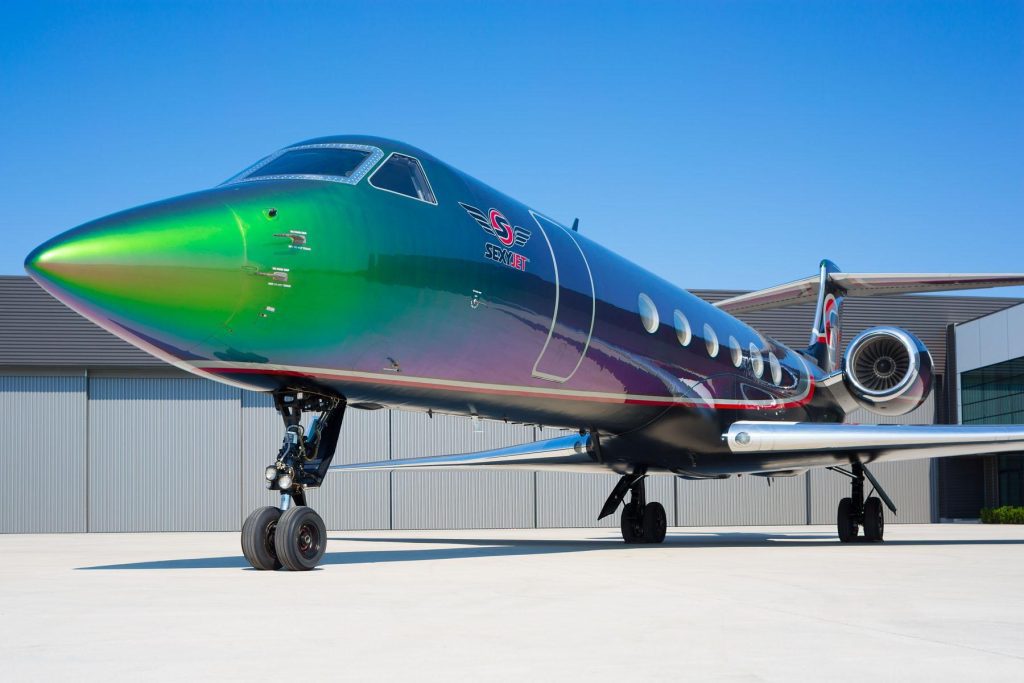
Private jets have redefined the landscape of global business and trade, offering a very uniqueed convenience, speed, and flexibility for professionals and corporations. In an era where time is a critical asset, private aviation serves as a powerful tool for executives to connect with markets, negotiate deals, and seize opportunities across the globe. This article explores the multifaceted impact of private jets on international commerce, shedding light on how they empower businesses to thrive in a competitive environment.
Accelerating Decision-Making in Global Business
The ability to make swift decisions often defines success in business. Private jets enable executives to travel directly to key locations without the delays and inconveniences associated with commercial air travel.
- Reduced Transit Times: With private aviation, executives can bypass lengthy layovers, crowded terminals, and rigid schedules, reaching destinations faster and more efficiently.
- Real-Time Problem Solving: The flexibility of private jets allows businesses to respond quickly to emerging challenges, ensuring timely intervention in critical situations.
- Enhanced Connectivity: Access to remote or underserved locations expands opportunities for trade and collaboration, bridging gaps in global commerce.
Boosting Productivity While Traveling
Private jets are not just a means of transportation; they serve as mobile offices that facilitate productivity even at 40,000 feet.
- Confidential Workspaces: The privacy of a private jet ensures that sensitive discussions and strategic planning can occur without the risk of eavesdropping.
- Customized Amenities: State-of-the-art facilities, including Wi-Fi, conference rooms, and customized seating arrangements, allow for uninterrupted work during transit.
- Time Optimization: Executives can prepare for meetings, finalize presentations, or conduct virtual conferences, maximizing every moment of their journey.
Strengthening Global Trade Connections
In an increasingly interconnected world, private jets play a pivotal role in fostering international trade relationships.
- Expanding Market Reach: Companies can explore new markets, attend trade shows, and build partnerships in regions with limited commercial airline connectivity.
- Strengthening Relationships: Face-to-face meetings remain crucial in business, and private jets enable executives to personally engage with clients, suppliers, and stakeholders across borders.
- Facilitating Supply Chains: For industries relying on just-in-time delivery, private aviation supports the rapid transport of personnel, prototypes, and critical components.
Economic Impacts of Private Aviation
The private jet industry contributes significantly to the global economy, creating jobs and driving innovation in aviation and beyond.
- Job Creation: From pilots and engineers to airport staff and service providers, private aviation supports a vast network of employment opportunities.
- Infrastructure Development: Investment in private terminals, maintenance facilities, and related infrastructure enhances regional economic growth.
- Stimulating Related Industries: Luxury travel, hospitality, and high-end manufacturing sectors benefit from the demand generated by private jet users.
Reducing Barriers in Emerging Markets
Private jets are instrumental in connecting emerging markets to global trade networks, enabling businesses to tap into untapped potential.
- Bridging Infrastructure Gaps: In regions with limited commercial flight options, private aviation provides a reliable alternative for accessing key markets.
- Empowering Local Enterprises: By facilitating direct engagement with international partners, private jets help small and medium-sized businesses compete on a global scale.
- Promoting Foreign Investment: Investors can explore opportunities in developing economies without logistical constraints, boosting economic growth in those regions.
Sustainability Challenges and Innovations
While private jets are invaluable for business, their environmental impact has prompted calls for sustainable practices and innovation in the industry.
- Carbon Footprint Concerns: Private aviation generates higher emissions per passenger compared to commercial flights, raising sustainability challenges.
- Adoption of Green Technologies: Advances in biofuels, electric propulsion, and carbon offset programs are transforming the industry toward eco-friendly solutions.
- Corporate Responsibility: Many companies are integrating sustainability into their travel policies, choosing fuel-efficient aircraft and supporting environmental initiatives.
Enhancing Competitiveness in a Fast-Paced World
In sectors where speed and adaptability are critical, private jets provide a competitive edge that sets businesses apart.
- First-Mover Advantage: Rapid travel enables companies to secure deals, launch products, or attend events ahead of competitors.
- Flexibility in Scheduling: Unlike commercial flights, private jets operate on the traveler’s schedule, accommodating last-minute changes and urgent trips.
- Exclusive Access: VIP airport lounges, expedited customs clearance, and direct routes ensure a seamless travel experience that saves time and effort.
Cultural and Political Implications
Private jets also influence cultural and political dynamics, enabling leaders to navigate complex global landscapes with ease.
- Diplomatic Engagements: Heads of state and government officials often rely on private aviation for diplomatic missions, fostering international cooperation.
- Cultural Exchanges: Business leaders use private jets to attend cultural events, art exhibitions, and global forums, promoting cross-cultural understanding.
- Crisis Management: In times of political or economic uncertainty, private jets facilitate swift evacuations or emergency responses.
The Future of Private Jets in Global Business
As technology evolves and globalization accelerates, the role of private jets in business and trade is set to expand further.
- Advanced Aircraft Design: Innovations in aerodynamics, materials, and avionics promise faster, more fuel-efficient private jets.
- Integration with Digital Platforms: Smart technologies will enable seamless coordination of travel itineraries, from booking to in-flight services.
- Evolving Business Models: Fractional ownership, jet card programs, and on-demand charters are making private aviation more accessible to a broader range of businesses.
Conclusion
Private jets have revolutionized global business and trade, providing a critical advantage in an increasingly competitive world. By enabling faster decision-making, enhancing productivity, and fostering international connections, private aviation empowers businesses to seize opportunities and navigate the complexities of the global market. As the industry embraces sustainability and innovation, its impact will continue to shape the future of commerce, ensuring that private jets remain an essential tool for modern enterprises.


