


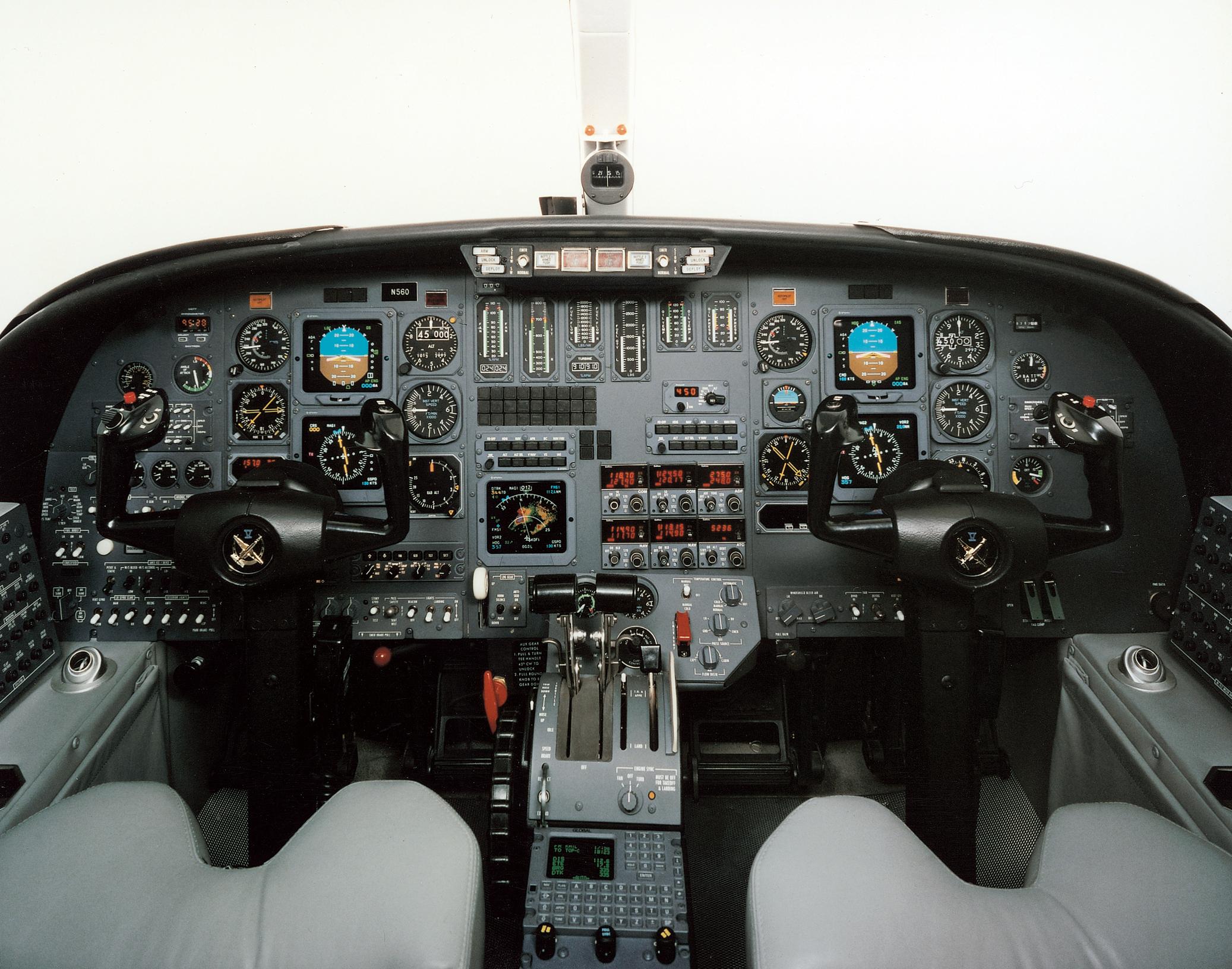
Investing in a private jet is not just a status symbol; it’s an opportunity to tap into a world of luxury, convenience, and potential profits. The private jet market, while exclusive and high-end, also offers a unique avenue for savvy investors to grow their wealth. Whether you’re looking to purchase a jet for personal use or as part of a broader investment strategy, understanding the intricacies of the industry can lead to substantial financial rewards.
This insider’s blueprint will guide you through proven strategies for successful private jet investments. By utilizing creative approaches and market insights, you can unlock new opportunities for profitable investments in the world of aviation.
Step 1: Understand the Core Benefits of Private Jet Investments
Before delving into the investment process, it’s crucial to understand the core benefits of owning a private jet from an investment standpoint. A well-considered private jet investment goes beyond mere ownership, offering several long-term advantages that make it a worthwhile asset.
Appreciating Asset Value
While private jets generally depreciate over time, certain models can maintain or even appreciate in value, especially if they are well-maintained and in high demand. Investing in a newer model with a reputation for performance and luxury can result in a profitable resale once the time comes to upgrade or sell.
Income Generation
One of the most significant advantages of private jet ownership is the ability to generate income by chartering the aircraft when not in use. Through jet management companies or private arrangements, owners can offset operating costs and potentially make a profit by renting out the jet to others who need access to private aviation.
Tax Benefits and Incentives
Private jet owners can often take advantage of tax incentives, such as depreciation and write-offs related to business use. The IRS Section 179 deduction and the bonus depreciation rule can help offset costs and offer substantial savings, especially for owners who use their jets for business purposes.
Portfolio Diversification
Adding a private jet to your investment portfolio is a unique way to diversify your assets. While it may not offer the same returns as traditional investment vehicles like stocks or real estate, private jet ownership provides an alternative asset that can hold significant value, especially in a market driven by the increasing demand for private aviation.
Liquidity Potential
The private jet market can offer excellent liquidity, particularly for high-demand models. If you invest in a jet that aligns with market trends and has a strong resale potential, you may be able to sell or trade your jet at a profitable price when the time is right.
Step 2: Choose the Right Jet for Investment Purposes
Choosing the right jet to invest in is critical to ensuring you maximize both the utility and financial potential of your purchase. The key to success lies in understanding market demand, jet performance, and long-term value.
Research the Market Trends
Before making any purchase, research the current trends in the private aviation market. What type of jets are in demand? For instance, large jets like the Gulfstream G550 or Bombardier Global 6000 are highly sought after for long-range travel and luxurious amenities, making them excellent investment choices. Similarly, light jets like the Cessna Citation Mustang may appeal to clients who need a more affordable option for short trips.
Consider the Jet’s Depreciation Rate
All jets depreciate over time, but some models hold their value better than others. Look for jets that depreciate slower than the industry average or have the potential for high resale value. Models from renowned manufacturers like Gulfstream, Bombardier, and Dassault often retain higher resale values due to their brand reputation, performance, and craftsmanship.
Evaluate Aircraft Usage and Demand
Understanding the usage patterns and demand for certain jets is essential for making a profitable investment. Consider factors like flight range, seating capacity, and the ability to easily market the aircraft for charter services. Aircraft that are versatile, reliable, and suitable for a broad range of customers will generally perform better in the market.
Condition and Age of the Aircraft
When purchasing a jet, condition is key. Older jets can often be bought for less money, but they might require significant upgrades or face high maintenance costs. Newer jets, while more expensive upfront, will likely incur fewer repairs and offer a longer lifespan, which translates to better returns on investment over time. Always inspect the maintenance history and ensure the aircraft has been well taken care of.
Customization and Features
Another factor that influences the value of a private jet is its customization and features. High-end jets with luxurious interiors, advanced avionics, and state-of-the-art amenities tend to attract higher resale prices. Consider purchasing jets that are customizable or already have high-end finishes, as these models are more likely to be in demand.
Step 3: Leverage Creative Financing Solutions
While the upfront cost of a private jet can be significant, several creative financing options can help you manage the purchase and reduce your financial risk. By utilizing various strategies, you can structure your deal to suit your budget and investment goals.
Fractional Ownership
Fractional ownership allows multiple parties to co-own a jet, sharing the purchase price and operating costs. This option provides access to the luxury of private jet travel without the full financial commitment. For investors, fractional ownership offers a way to mitigate costs while still benefiting from jet ownership.
Leasing
If you’re not interested in outright ownership, consider leasing a jet. Leasing can provide you with the tax advantages of ownership without the responsibility of maintenance or management. Leasing also offers the flexibility of returning the jet once the lease term expires or purchasing the jet outright at a later date.
Business Loans and Tax Deductions
Many financial institutions offer business loans specifically tailored for purchasing private jets. These loans come with lower interest rates and favorable terms for businesses using the jet for work-related purposes. Additionally, tax deductions on business jets can offset a significant portion of your investment, making private jet ownership even more attractive from a financial perspective.
Aircraft Financing and Leasing Companies
There are specialized aircraft financing and leasing companies that provide tailored solutions for jet buyers. These companies can help you find the right financial products for your situation, whether you want to finance the entire purchase or lease a jet for short-term use. Creative financing options can help you lower upfront costs and increase your flexibility.
Step 4: Maximize Revenue Potential Through Charter Services
One of the most creative ways to turn your private jet investment into a revenue-generating asset is by chartering the aircraft when it’s not in use. This provides an excellent way to offset your operating costs and potentially make a profit.
Join a Jet Management Program
Many jet management companies offer programs that handle everything from booking flights to maintaining your jet and arranging for charter services. These companies can maximize your charter revenue while handling the logistical and operational aspects of running a jet. In exchange, you’ll share a portion of the profits from chartering.
Consider On-Demand Chartering
If you prefer more control over when and how your jet is chartered, on-demand chartering may be an attractive option. You can list your jet on charter platforms, which provide access to a large pool of potential customers looking to rent private jets for specific trips. This flexibility can help you generate more income when demand for private jets is high.
Target Corporate Clients and VIPs
High-net-worth individuals and businesses are often willing to pay a premium for luxury private jet experiences. By marketing your jet to this demographic, you can attract corporate clients, VIPs, and even celebrities who require private travel solutions. These high-end clients tend to be repeat customers, offering a more reliable income stream for jet owners.
Step 5: Plan for Ongoing Management and Maintenance
Owning a private jet is not just about the purchase; it also involves ongoing management to ensure the aircraft remains in optimal condition and ready for chartering. A well-maintained jet retains its value and provides a reliable source of revenue.
Professional Crew and Maintenance
Hire an experienced pilot and maintenance crew to manage the day-to-day operation of the aircraft. Regular inspections and maintenance ensure that the jet remains in good working order, which is essential for safety and resale value. Most jet management companies can provide these services for a fee.
Flight Scheduling and Logistics
Effective flight scheduling and logistics management are key to maximizing your jet’s revenue potential. Utilize a management company to handle flight scheduling, client bookings, and operational logistics to ensure that the jet is being used efficiently and that you are earning revenue during downtime.
Insurance and Liability
Ensure that your private jet is properly insured. The cost of insurance can vary depending on the type of jet, its age, and how often it is flown. However, having the right insurance coverage is crucial for protecting your investment and minimizing risk.
Conclusion
Investing in a private jet is a unique and potentially profitable venture. By following this insider’s blueprint, you can make informed decisions that align with your financial goals, manage the risks effectively, and maximize the potential of your investment. Whether you are purchasing a jet for personal use or
as part of a broader investment strategy, taking a creative approach and utilizing proven tactics will help you navigate the complexities of the market and ensure that your private jet investment delivers substantial returns.


