


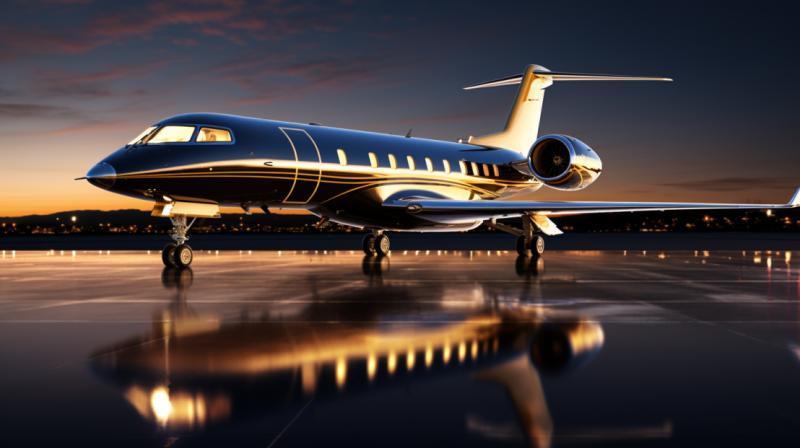
When it comes to luxury, few things symbolize opulence and exclusivity like owning a private jet. The allure of flying at your own convenience, in a customized, world-class cabin, is what draws the modern elite to invest in aviation. But the process of purchasing a luxury jet is complex. It’s not just about affording the price tag, it’s about making a smart investment that not only meets your personal or business needs but also provides long-term value.
Investing in a private jet requires a detailed understanding of the aviation market, specific jet models, and the financial commitment that comes with such a purchase. Whether you are a first-time buyer or someone looking to expand your collection, the knowledge of how to buy right can make all the difference between a smart acquisition and an impulsive purchase.
In this insider’s guide, we will delve into the strategies and insights that will help you make an informed, strategic decision when buying a luxury jet. From financial planning to assessing the aircraft’s potential resale value, every aspect of the investment process is crucial. The journey toward owning a private jet is as intricate as it is rewarding. Let’s explore how to buy right.
Understanding Luxury Jet Investments
Luxury jet investments are not like buying a car or a traditional piece of property. They are high-value assets with specific financial implications, both in terms of upfront costs and ongoing expenses. Before making an investment in a private jet, it’s important to fully understand the unique characteristics of these aircraft.
Owning a private jet gives you an unparalleled level of freedom and convenience, but it also involves a set of responsibilities. Apart from the purchase price, you’ll need to account for maintenance costs, insurance, fuel, crew, hangar space, and other operational expenses. These can add up quickly and significantly influence your overall investment.
However, for many buyers, the luxury jet represents more than just a mode of transportation; it’s an asset that aligns with their lifestyle, offers a competitive business advantage, and delivers the potential for long-term financial benefits, if managed wisely.
Key Considerations for Luxury Jet Buyers
The decision to invest in a luxury jet requires careful consideration of various factors. The following key considerations will guide you toward making the right choice:
- Assessing Your Needs and Purpose
Before you even begin searching for jets, it’s important to ask yourself: Why do I need a jet? What will I primarily use it for? Are you investing for business, leisure, or both? For business owners, a jet can offer efficiency by cutting down on travel time, while for personal use, it may be about luxury, privacy, and convenience.
Answering these questions will narrow down your choices. For instance, if you frequently travel long distances, you’ll want a jet with an extended range. If your travels are regional, a smaller jet might suffice.
- Setting a Budget and Exploring Financing Options
A major factor in purchasing a luxury jet is determining your budget. The price of a private jet varies greatly based on its size, model, age, and customizations. A light jet can cost as little as $3 million, while a larger, more luxurious model can reach upwards of $70 million or more. In addition to the purchase price, consider the total cost of ownership, which includes maintenance, operational costs, and crew salaries.
Many buyers also opt for financing options to reduce the financial burden. Whether through a traditional loan or leasing arrangements, exploring different financial avenues can help manage the upfront cost. Fractional ownership, where you share the aircraft with other investors, is another potential route to explore.
- Choosing the Right Jet Type
The type of jet you select plays a huge role in your investment decision. Jets are categorized based on their size, range, and purpose. The most common categories include:
Light Jets: These jets are ideal for regional travel, seating 4-8 passengers with a range of 1,000-2,500 miles. Popular models include the Cessna Citation Mustang and Embraer Phenom 100.
Midsize Jets: Offering more space and comfort, midsize jets can seat 6-9 passengers with a range of 2,500-3,500 miles. The Bombardier Learjet 60 and Hawker 800XP are examples.
Heavy Jets: These large jets can seat 10-18 passengers with a range of 4,000-7,000 miles. Popular models include the Gulfstream G450 and Bombardier Global 6000.
Ultra-Long-Range Jets: These jets are for international travelers, offering the ability to fly non-stop for over 7,000 miles. Examples include the Gulfstream G650ER and Dassault Falcon 8X.
Selecting the right jet is not just about the number of seats, it’s about the aircraft’s range, speed, and luxury features. Consider your travel patterns and needs to make the best decision.
- Understanding the Operational Costs
While the purchase price is important, understanding the ongoing operational costs is crucial for a luxury jet investor. Maintenance is one of the largest ongoing expenses. Routine checks, repairs, and servicing are necessary to keep the aircraft in top condition. Additionally, there are costs for fuel, insurance, pilots, and the crew required to maintain and operate the jet.
Estimates for annual operational costs range between $500,000 and $2 million, depending on the type of jet and its usage. Fuel consumption alone can run tens of thousands of dollars per month, depending on how often the aircraft is used. Regular maintenance and updating the jet’s systems can also incur significant costs over time.
- Customization and Personalization
One of the most attractive aspects of owning a luxury jet is the ability to customize the interior. The cabin can be tailored to meet your specific preferences, from the seating configuration to the materials used in the upholstery. For example, you can opt for plush leather seats, fine wood paneling, and state-of-the-art entertainment systems.
Many jets also come with the option to install luxurious amenities such as fully equipped kitchens, bedrooms, or meeting rooms. The ability to design the interior of your jet ensures that every flight is a comfortable and personal experience, making your aircraft more than just a means of travel, it becomes a second home in the sky.
The Jet Investment Process: A Step-by-Step Guide
Now that we’ve covered the foundational aspects of luxury jet ownership, let’s look at the step-by-step process of making the purchase. This guide will walk you through every phase of the transaction, ensuring you make an informed, strategic investment.
- Research the Market
Begin by researching the luxury jet market. Understand the latest trends, models, and pricing. There are a variety of online marketplaces, private brokers, and aviation consultants who can help you identify the best jets for sale, including off-market opportunities. Researching the market gives you a broader view of what’s available and helps you assess the true value of a jet.
- Consult with Aviation Experts
Aviation brokers, consultants, and financial advisors are invaluable resources during the buying process. Their expertise can help you narrow down options, negotiate pricing, and understand the nuances of aircraft ownership. With the help of an experienced broker, you can gain access to more exclusive deals and ensure you are investing in a jet that meets all your specifications.
- Inspect the Aircraft
Before committing to the purchase, it’s essential to carry out a thorough inspection. This includes a pre-purchase inspection (PPI) to assess the aircraft’s condition, performance, and maintenance history. Bring in an independent expert to evaluate every aspect of the jet, including its engine, airframe, avionics, and interior condition.
- Negotiate and Finalize the Deal
Once you’ve identified the jet you want, the next step is negotiating the terms. Negotiation skills play a critical role in ensuring you get the best deal. This includes the purchase price, warranties, and any additional services. Don’t be afraid to push for a fair deal, especially when it comes to additional costs such as maintenance or upgrades.
After negotiating the terms, you will finalize the deal with a legal contract and complete the financial transaction. Make sure to engage a lawyer specializing in aviation to ensure all paperwork is in order.
- Arrange Delivery and Ownership Transfer
Once the deal is done, the aircraft will be delivered to you. You will also need to complete the registration and transfer of ownership. The aircraft’s registration must be handled according to the laws of the country where the jet will be based. This process typically involves several legal steps, including filing documents with aviation authorities.
The Future of Luxury Jet Investments
The future of luxury jet investments looks promising, as more buyers look for sustainable and high-tech alternatives in aviation. We are seeing an increase in demand for eco-friendly jets that use alternative fuels or have electric capabilities. The emergence of fractional ownership and jet sharing models is also gaining traction, allowing more people to enjoy the benefits of private aviation without the full financial burden.
Moreover, technological advancements continue to improve the efficiency, safety, and luxury of private jets. With cutting-edge navigation systems, advanced avionics, and luxurious interiors, today’s jets are faster, more efficient, and more comfortable than ever before.
Conclusion
Investing in a luxury jet is a significant decision that requires careful planning and consideration. From understanding your specific needs to exploring financing options and choosing the right jet type, every step of the buying process plays a crucial role in making the right investment. By following the insider’s guide, you can ensure that your investment is both financially sound and aligned with your travel preferences. The right jet will not only enhance your lifestyle but will also serve as a strategic asset that adds value for years to come.


