


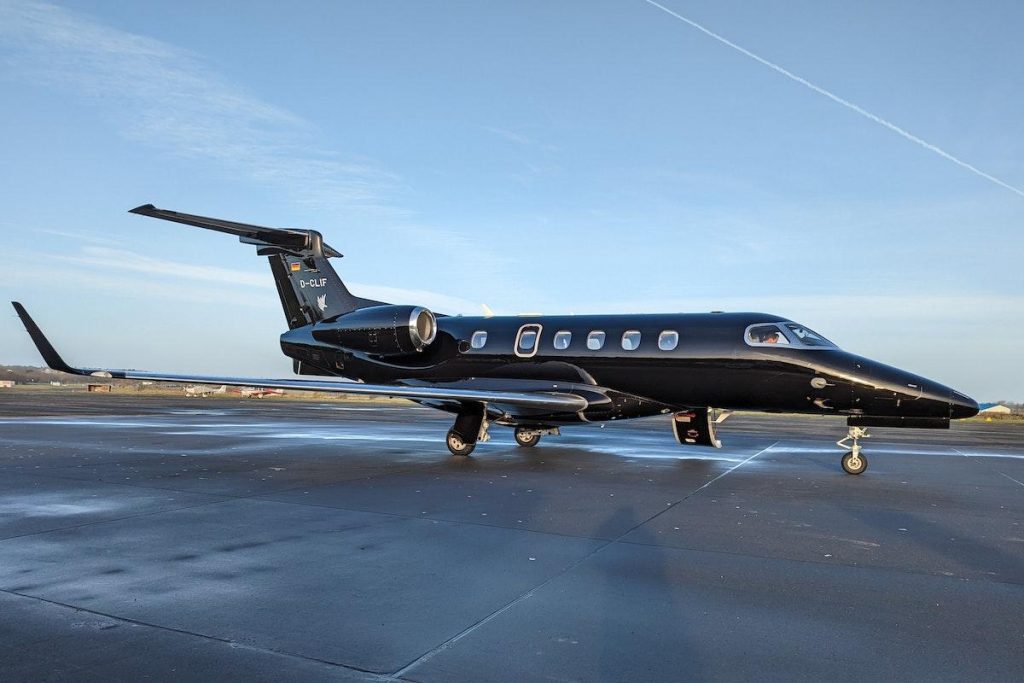
As concerns about climate change continue to dominate global conversations, industries across the world are exploring ways to reduce their carbon footprints and become more sustainable. The aviation sector, often criticized for its high levels of emissions, is no exception. Private jet travel, in particular, has long been a symbol of luxury, but it has also been associated with significant environmental impact due to its fuel-intensive operations. In recent years, however, the private aviation industry has been undergoing a transformation, with a growing focus on sustainability and green technology. Today’s eco-conscious travelers are increasingly seeking ways to enjoy the convenience and luxury of private aviation while minimizing their impact on the environment. This article explores the latest innovations in green private jets and how these advancements are shaping the future of eco-friendly air travel.
Private aviation, traditionally viewed as an industry serving the wealthy elite, is facing increasing pressure from both regulators and consumers to address its environmental impact. High-net-worth individuals, the primary clientele for private jets, are becoming more aware of their carbon footprints and are seeking ways to travel without contributing to environmental degradation. As a result, private jet companies are introducing innovative solutions that allow passengers to fly in comfort and style while supporting sustainability. These innovations range from more fuel-efficient aircraft designs to the use of sustainable aviation fuel (SAF) and even the development of electric and hybrid-electric jets.
The Shift Towards Sustainable Aviation Fuel (SAF)
One of the most significant advancements in green private jets is the adoption of Sustainable Aviation Fuel (SAF). SAF is a renewable, bio-based alternative to traditional jet fuel that can be made from a variety of feedstocks, including agricultural waste, algae, and even municipal solid waste. Unlike conventional jet fuel, SAF produces significantly lower carbon emissions over its lifecycle, making it a crucial component of the push toward more sustainable aviation.
Private jet companies have recognized the importance of SAF in reducing their environmental impact and are increasingly incorporating this alternative fuel into their fleets. The aviation industry has long been criticized for its reliance on fossil fuels, but SAF offers a practical solution that can be used in existing aircraft engines with little modification. Several major private jet operators are already offering SAF as part of their services, allowing passengers to reduce the carbon emissions associated with their flights. SAF can reduce carbon emissions by up to 80% compared to traditional jet fuel, making it one of the most effective ways to mitigate the environmental impact of private aviation.
The use of SAF is not only beneficial for the environment but also for private jet companies themselves. By adopting SAF, these companies can differentiate themselves in a competitive market and appeal to eco-conscious consumers who are increasingly prioritizing sustainability in their travel decisions. As SAF production continues to grow and become more accessible, it is expected that its use in private aviation will become more widespread, further driving the industry’s transition to greener practices.
Electric and Hybrid-Electric Aircraft: The Future of Green Aviation
While SAF is a significant step toward sustainable private aviation, the long-term future of private jet travel may lie in electric and hybrid-electric aircraft. Electric propulsion technology has made significant strides in recent years, with several companies working to develop fully electric or hybrid-electric jets that can drastically reduce carbon emissions and fuel consumption.
Electric aircraft operate using battery-powered motors, which produce zero emissions during flight. These aircraft are still in the early stages of development, particularly in the private aviation sector, and are currently limited in range and passenger capacity. However, the development of electric aircraft is moving rapidly, with several startups and established aviation companies actively working on prototypes. Some electric aircraft are designed for short regional flights, making them an ideal option for eco-conscious travelers who want to reduce their environmental impact on shorter trips.
Hybrid-electric aircraft, which combine traditional jet engines with electric motors, offer a more immediate solution for private aviation. These aircraft use electric power during takeoff, landing, and cruising at lower altitudes, reducing fuel consumption and emissions during these critical phases of flight. The hybrid-electric design allows for longer flight ranges than fully electric aircraft while still offering significant reductions in emissions and fuel use.
Several companies, including aviation giants like Airbus and Boeing, as well as smaller startups such as Alice by Aviation, are actively developing hybrid-electric and fully electric aircraft. These advancements represent the future of green private jets and could revolutionize the industry by offering zero-emissions or low-emissions alternatives to traditional private jet travel.
Sustainable Aircraft Design: Lightweight Materials and Advanced Aerodynamics
In addition to advancements in propulsion technology, sustainable private jets are also being designed with a focus on energy efficiency and environmental impact. Aircraft manufacturers are increasingly using lightweight materials, such as carbon fiber composites and advanced alloys, to reduce the overall weight of the aircraft. Lighter aircraft require less fuel to operate, which leads to lower emissions and reduced fuel consumption.
The use of lightweight materials not only improves fuel efficiency but also enhances the performance and safety of private jets. These materials are stronger and more durable than traditional metals, making them ideal for use in aircraft construction. By reducing the weight of private jets, manufacturers can improve fuel efficiency without compromising on safety or performance.
In addition to using lightweight materials, private jet manufacturers are also employing advanced aerodynamic designs to improve fuel efficiency. Aircraft with sleek, streamlined shapes experience less drag during flight, which reduces fuel consumption and increases the overall efficiency of the aircraft. By incorporating these advanced aerodynamic principles into the design of green private jets, manufacturers are making it possible for travelers to enjoy the luxury of private aviation without sacrificing sustainability.
Carbon Offsetting: Neutralizing the Environmental Impact of Private Jet Travel
While the adoption of sustainable aviation fuel (SAF) and the development of electric and hybrid-electric aircraft are important steps toward greener private jet travel, they are not the only solutions available. Another key strategy for reducing the environmental impact of private aviation is carbon offsetting. Carbon offsetting involves investing in projects that either reduce or remove greenhouse gas emissions from the atmosphere, effectively neutralizing the emissions generated by private jet flights.
Private jet companies have begun offering carbon offset programs as part of their services, allowing passengers to offset the carbon emissions associated with their flights. These programs typically involve a variety of initiatives, such as reforestation projects, renewable energy projects, and methane capture initiatives, all of which help absorb or reduce the amount of carbon dioxide in the atmosphere.
For eco-conscious travelers, carbon offsetting offers a way to take responsibility for the environmental impact of their private jet travel. By participating in carbon offset programs, passengers can ensure that their flights do not contribute to global warming, even if they are unable to reduce their emissions directly. Many private jet companies now provide detailed information about the carbon emissions associated with each flight and offer passengers the option to offset those emissions by investing in various environmental projects.
Sustainable Airport Operations: Reducing the Carbon Footprint of Ground Activities
The environmental impact of private jet travel extends beyond the flight itself. Airport operations, such as fueling, maintenance, and air traffic management, also contribute to the carbon footprint of private aviation. As a result, many private jet companies are working to make their airport operations more sustainable.
Sustainable airport operations include the use of renewable energy sources, such as solar and wind power, to power airport facilities and ground operations. Many airports are also implementing energy-efficient technologies to reduce energy consumption and minimize their environmental impact. For example, private jet companies are adopting electric ground support equipment (GSE) to replace traditional gasoline-powered vehicles used for tasks such as baggage handling and aircraft towing.
In addition to using renewable energy and electric ground support equipment, private jet companies are working to reduce the overall carbon emissions associated with airport operations. This can be achieved by optimizing flight scheduling, reducing taxiing times, and improving air traffic management to minimize delays and fuel consumption on the ground. By improving the efficiency of airport operations, private jet companies can further reduce the environmental impact of private aviation.
Green Certification and Industry Standards
As the demand for sustainable private jet travel grows, private jet companies are increasingly seeking green certifications and adhering to industry standards that promote sustainability. Various organizations and certification bodies have developed guidelines for sustainable aviation practices, and many private jet operators are working to meet these standards.
For example, the International Air Transport Association (IATA) has developed a set of sustainability guidelines for the aviation industry, including specific recommendations for private aviation operators. These guidelines cover everything from fuel efficiency and emissions reduction to waste management and sustainable sourcing practices. By adhering to these standards, private jet companies can demonstrate their commitment to sustainability and gain recognition for their eco-friendly practices.
In addition to industry-wide certifications, individual aircraft manufacturers are also seeking green certifications for their aircraft. These certifications, which are awarded by organizations such as the Environmental Protection Agency (EPA) and the European Union Aviation Safety Agency (EASA), indicate that an aircraft meets certain environmental performance criteria. Private jet companies that operate green-certified aircraft can provide their clients with peace of mind, knowing that their travel choices are aligned with environmental sustainability.
The Future of Green Private Jets
The future of green private jets looks promising, with ongoing advancements in technology, fuel alternatives, and sustainable practices. As the aviation industry continues to evolve, private jet companies will continue to innovate and implement new solutions to reduce their environmental impact. From the widespread adoption of sustainable aviation fuel (SAF) to the development of electric and hybrid-electric aircraft, the future of private aviation is becoming greener and more sustainable.
In conclusion, the latest innovations in green private jets are transforming the way eco-conscious travelers experience luxury aviation. Through the use of sustainable aviation fuel (SAF), the development of electric and hybrid-electric aircraft, lightweight materials, carbon offsetting, and sustainable airport operations, private jet companies are making significant strides toward reducing their environmental impact. These advancements are helping to make private aviation more sustainable without sacrificing the comfort and luxury that travelers expect. As technology continues to improve and consumer demand for eco-friendly travel options grows, the future of green private jets looks bright. Eco-conscious travelers can now enjoy the convenience and exclusivity of private aviation while contributing to a greener, more sustainable future.


