


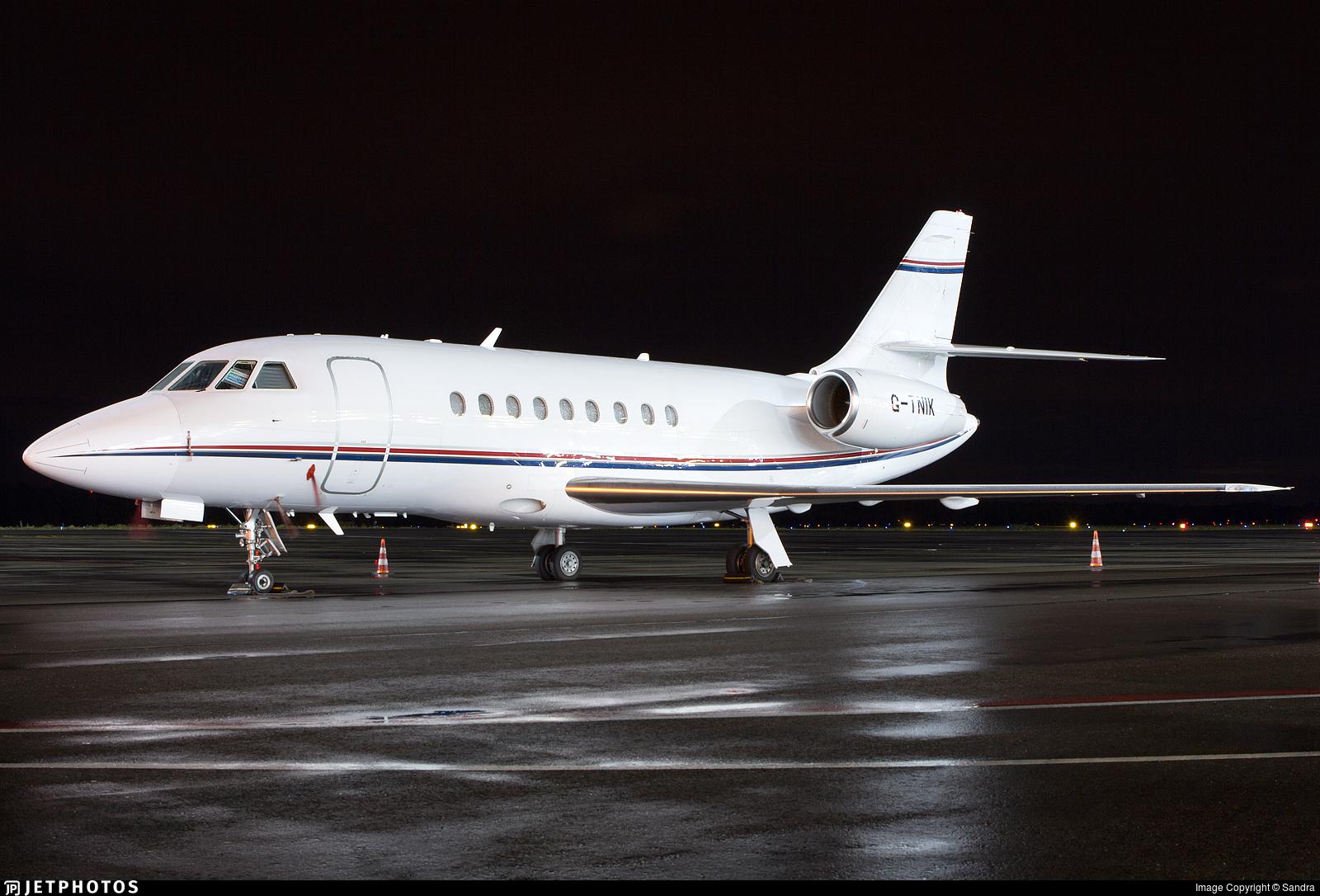
In recent years, the aviation industry has made significant strides in enhancing security features, particularly for private jets. The need for high-end security on private aircraft has become more crucial, especially as the number of private jet users increases. From high-profile business executives to celebrities and government officials, many individuals rely on private jet travel for both convenience and safety. However, as with any mode of transportation, private jets are not immune to potential security threats. To meet these challenges, the latest security technologies for private jets have evolved to include cutting-edge innovations that ensure both the safety and privacy of passengers and crew members.
In this article, we delve into the latest advancements in security technologies for private jets. From biometric identification systems to advanced surveillance and cyber protection, we will explore the range of technologies that are making private air travel safer than ever before.
1. Advanced Surveillance Systems
One of the most critical components of private jet security is the ability to monitor the aircraft and the surrounding airspace. Modern surveillance systems have evolved from basic radar and visual observation to highly sophisticated technologies that provide real-time tracking and enhanced situational awareness.
Private jets now come equipped with advanced radar systems that can detect potential threats from long distances. These systems are capable of identifying unusual or unauthorized aircraft in the vicinity, allowing for early detection of any potential risks. Additionally, some private jets are now integrating satellite-based tracking systems, which offer precise, real-time location data that can be accessed by both the aircraft operator and relevant authorities. This feature is especially useful for monitoring flight paths and ensuring that jets stay within authorized airspace.
In addition to tracking the aircraft, private jets are also equipped with exterior cameras and infrared systems that offer a 360-degree view of the surrounding environment. These systems are invaluable during critical situations, such as when the aircraft is flying through unfamiliar or high-risk airspace, or when there is a need for emergency landing procedures. The use of infrared cameras also helps detect heat signatures from other aircraft or potential threats, even in low-visibility conditions.
2. Biometric Identification Systems
Biometric technology has made its way into various sectors, and aviation is no exception. For private jet travelers, biometric identification systems offer a high level of security while ensuring a seamless and quick boarding process. These systems use unique physical traits, such as fingerprints, facial recognition, or iris scans, to authenticate passengers and crew members before they board the aircraft.
The use of biometric identification in private jets enhances security by ensuring that only authorized individuals are allowed to board the aircraft. This technology also minimizes the risk of identity fraud or unauthorized access, providing an additional layer of protection for high-profile passengers. In addition to its security benefits, biometric systems speed up the boarding process, making it more efficient and convenient for passengers.
Biometric identification systems are also integrated into private jet terminals, providing an end-to-end secure travel experience. As the technology continues to improve, it is expected that biometric verification will become even more advanced, with the potential for facial recognition and other biometric data to be integrated directly into the aircraft’s security systems.
3. Cybersecurity for Private Jets
As private jets become more connected to the digital world, cybersecurity has become an essential aspect of aviation security. In-flight connectivity allows passengers to access email, make phone calls, and even stream media while in the air. However, this also creates potential vulnerabilities that hackers or cybercriminals could exploit.
The latest cybersecurity technologies for private jets focus on protecting sensitive data and preventing unauthorized access to the aircraft’s communication and navigation systems. One of the most advanced solutions is the use of encrypted communication channels, which ensure that all data transmitted between the aircraft and ground systems is secure. This encryption prevents hackers from intercepting sensitive information, such as flight plans, passenger details, or financial transactions.
Private jets are also equipped with firewalls and intrusion detection systems to monitor and block any attempts to access the aircraft’s internal systems. These systems can detect unusual activity or unauthorized access attempts, alerting the crew in real time and allowing them to take immediate action. Additionally, some private jets now come with secure virtual private networks (VPNs) that enable passengers to safely access the internet without the risk of exposing personal data to cyber threats.
As cyberattacks become more sophisticated, private jet operators are increasingly investing in advanced security protocols to safeguard both passengers and the aircraft’s critical systems. The integration of AI-driven cybersecurity solutions is also becoming more common, allowing for real-time threat detection and automatic responses to potential security breaches.
4. Onboard Security Personnel and Threat Detection
In addition to technological solutions, the presence of trained security personnel plays a crucial role in ensuring the safety of private jet passengers. Many private jet operators now employ security teams that are specifically trained in aviation security and threat detection. These personnel are often ex-military or law enforcement officers who are skilled in assessing potential security risks and responding to emergencies.
Private jets may also be equipped with advanced threat detection systems that can identify potential hazards on board. These systems include chemical and biological detection devices that can identify harmful substances, ensuring that passengers are not exposed to any potential threats during the flight. Additionally, private jets are increasingly incorporating gunshot detection systems, which can alert the crew to the presence of firearms or other dangerous weapons on board.
In the event of an emergency or security breach, onboard security personnel are trained to manage the situation and protect passengers and crew. They are equipped with the necessary tools to neutralize threats and ensure that passengers remain safe until the aircraft can safely land or the situation is resolved.
5. Enhanced Cabin Security Features
The interior of private jets is being equipped with a variety of advanced security features that are designed to ensure the safety and privacy of passengers. One of the latest innovations is the use of bulletproof materials in the construction of the cabin. Bulletproof glass, doors, and walls are now available for private jets, providing an extra layer of protection in the event of an attack.
In addition to physical security features, private jets are also incorporating advanced cabin surveillance systems. These systems include high-definition cameras that monitor the interior of the aircraft, allowing security personnel to observe passenger behavior and detect any potential threats. Some private jets are now also equipped with biometric monitoring systems that track the vital signs of passengers and crew, ensuring that any medical emergencies or unusual behavior can be detected quickly.
Another key feature of modern private jet cabins is the ability to create secure and private spaces for high-profile passengers. This is especially important for individuals who require confidentiality during travel, such as executives, diplomats, or celebrities. Private jets can be customized with soundproofing and secure communications systems to ensure that sensitive conversations and confidential information are kept private during the flight.
6. Intelligent Flight Planning and Risk Assessment
The use of intelligent flight planning software is another key advancement in private jet security. These systems use AI and big data to assess the safety and risk factors of a particular flight, taking into account factors such as weather conditions, airspace restrictions, and potential security threats. By analyzing vast amounts of data in real time, these systems can suggest the safest flight routes and ensure that the aircraft avoids any high-risk areas.
Some private jet operators are also integrating risk assessment tools that assess the security of airports and airstrips at the destination. This allows passengers to choose the safest possible location for their arrival, minimizing the risk of encountering security issues upon landing.
Intelligent flight planning systems also work in tandem with surveillance systems to provide real-time updates on changing conditions, allowing the crew to make adjustments to the flight plan if necessary. This ensures that the aircraft remains safe throughout the journey and can respond to any emerging threats or challenges.
7. Airborne Security Training for Crew
To complement technological advancements, many private jet operators now provide specialized security training for their crews. This training focuses on enhancing the crew’s ability to handle security threats during flight. Crew members are trained to recognize warning signs of potential risks, handle emergency situations, and ensure the safety of passengers and the aircraft.
In addition to general security training, crew members are also taught how to use the latest security technologies on board. This includes operating surveillance systems, managing encrypted communications, and responding to cyber threats. By combining security technology with well-trained personnel, private jet operators can offer a comprehensive security solution that protects passengers from a wide range of potential threats.
Conclusion
As the demand for private jet travel continues to rise, so does the need for advanced security technologies to ensure the safety of passengers and crew. From cutting-edge surveillance systems to biometric identification and cybersecurity measures, the latest security technologies for private jets are designed to offer a comprehensive approach to aviation security. These technologies not only enhance safety but also provide passengers with greater peace of mind during their flight.
By integrating intelligent flight planning, enhanced cabin security, and highly trained personnel, private jet operators are setting new standards in aviation security. As these technologies continue to evolve, it is clear that private jet travel will remain one of the safest and most secure modes of transportation for high-profile individuals and those who value privacy and protection.


