


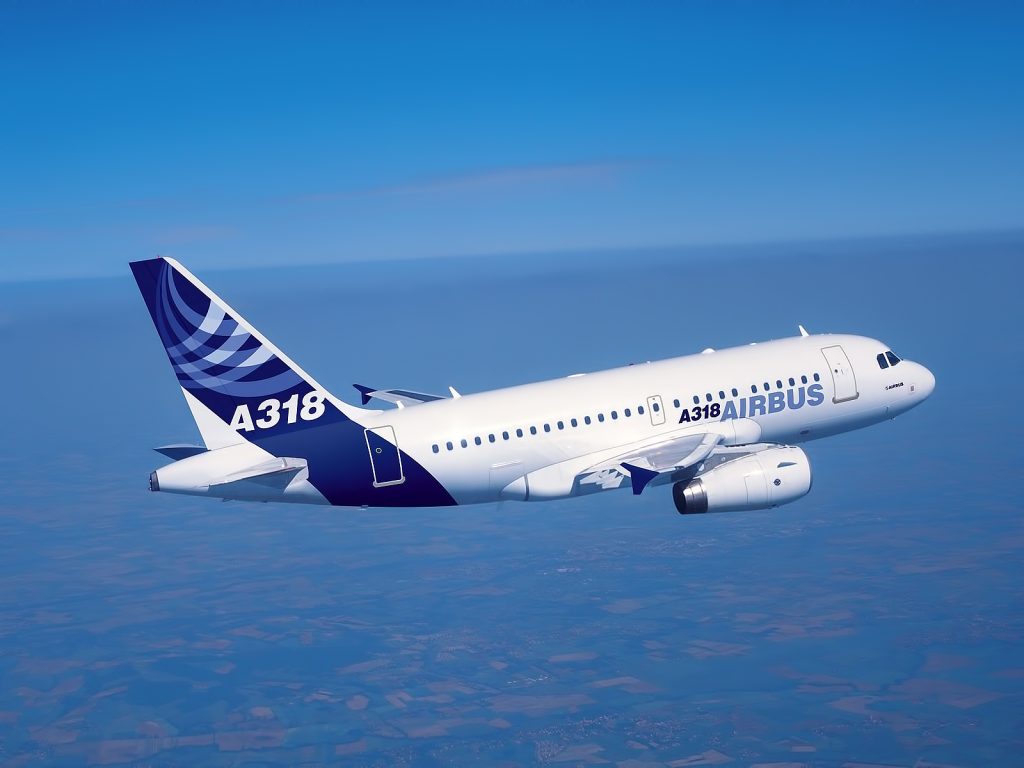
A private jet is the ultimate symbol of luxury, offering unmatched comfort, convenience, and privacy. Whether you’re a business mogul, an entrepreneur, or a discerning individual who values freedom in the skies, buying a luxury jet can elevate your travel experience to a whole new level.
However, purchasing a private jet is a major decision, and it requires a deep understanding of your needs, the market, and the associated costs. With so many options available, how do you ensure you’re making the right investment?
This guide outlines proven tips for purchasing a luxury private jet, ensuring you make an informed and confident decision.
1. Assess Your Travel Needs
The first step in buying a luxury jet is understanding your travel habits and requirements. Not all jets are created equal, and the one you choose should align with how you intend to use it.
- Passenger Capacity: Think about how many people you will typically fly with. If you’re traveling with a team or business associates, a larger jet with a cabin designed for meetings and privacy may be ideal. Smaller jets can be great for solo or family trips.
- Flight Range: How far do you typically travel? If you frequently make long-haul international flights, an ultra-long-range jet may be necessary. These aircraft can fly over 6,000 miles, making them ideal for routes like New York to Dubai or London to Tokyo.
- Flight Frequency: The more often you fly, the more important it becomes to have an aircraft that fits your lifestyle. For frequent flyers, an aircraft with a solid track record of performance and minimal downtime will ensure your trips are never interrupted.
- Amenities and Comfort: Luxury jets come with an array of amenities that cater to comfort, relaxation, and work. Consider whether you need a fully-equipped office space, entertainment options, or a luxurious sleeping area.
Once you’ve defined your primary needs, you’ll have a better sense of what features are important and which models will work best for you.
2. Set a Realistic Budget
The cost of owning a luxury jet is far more than just the initial purchase price. It’s essential to have a clear understanding of the overall cost of ownership to avoid any financial surprises.
- Purchase Price: A luxury jet can cost anywhere from $3 million for a small pre-owned jet to over $70 million for a brand-new, top-of-the-line aircraft. Determine how much you’re willing to spend on the initial purchase and any additional customization.
- Operating Costs: Maintaining a jet involves costs such as fuel, insurance, maintenance, storage, and salaries for crew members. Operating a midsize jet can cost anywhere from $500,000 to $2 million annually, depending on usage.
- Financing Options: While some buyers opt to pay upfront, others may choose to finance the purchase. Financing options include loans, leasing arrangements, or fractional ownership. Working with a financial advisor can help structure the purchase in a way that aligns with your long-term financial goals.
- Depreciation: Jets are assets that depreciate over time. A new jet will lose value faster than a pre-owned one, but it offers cutting-edge technology and warranties. Pre-owned jets may offer better value if they have been well-maintained and are still in excellent condition.
Budgeting for both the initial and ongoing costs of ownership will help you assess whether a luxury jet is the right investment for you.
3. Choose the Right Type of Jet
Luxury jets come in several categories, each designed to serve different needs. The right choice will depend on your travel style, budget, and preferences.
- Light Jets: Light jets are great for short flights (up to 1,500 miles) and small groups (4-6 passengers). They are often the most affordable luxury jet option. Popular models include the Cessna Citation Mustang and Embraer Phenom 300.
- Midsize Jets: Midsize jets are a step up, offering more space (7-9 passengers) and a greater range (2,000 to 3,000 miles). These jets are suitable for regional travel and come with more amenities. Models like the Learjet 60 and Hawker 800XP are commonly used for both business and leisure.
- Heavy Jets: Heavy jets offer even more space (10-16 passengers) and longer ranges (up to 4,500 miles). These jets are ideal for long-haul flights and come with luxurious features like private bedrooms and large conference areas. Examples include the Gulfstream G550 and Bombardier Global 6000.
- Ultra-Long Range Jets: For the ultimate in luxury and long-distance travel, ultra-long-range jets can travel more than 7,000 miles. These jets are perfect for international flights and come equipped with the best amenities available. Models like the Gulfstream G650ER and Dassault Falcon 8X are popular choices.
Selecting the right jet type is crucial to ensuring that you get the space, range, and features that suit your travel needs.
4. New vs. Pre-Owned Jets: What’s Best for You?
When considering a luxury jet, one of the first decisions you’ll need to make is whether to buy a new or pre-owned aircraft. Both options have advantages and drawbacks, and the right choice depends on your priorities.
- New Jets: New jets offer the latest technology, cutting-edge features, and the peace of mind that comes with a full manufacturer’s warranty. You also have the flexibility to customize your jet to your exact specifications, from interior design to avionics systems. However, they come with a higher price tag and depreciate in value faster than pre-owned jets.
- Pre-Owned Jets: Pre-owned jets can be a more cost-effective option, as they tend to depreciate more slowly than new jets. You can often find well-maintained aircraft with relatively low hours of use, and many pre-owned jets come with extended warranties or service plans. However, you may not get the same level of customization as a new jet, and the technology may not be as advanced.
The choice between a new or pre-owned jet depends on your budget, the importance of customization, and how much value you place on having the latest features.
5. Work with Aviation Experts
Purchasing a luxury jet is a complex process, and working with the right experts can make all the difference in ensuring a smooth and successful transaction.
- Jet Brokers: A jet broker is a specialized professional who can help you find the perfect jet and negotiate the best price. They can guide you through the entire process, from finding aircraft listings to handling negotiations.
- Aviation Consultants: An aviation consultant offers independent advice and can help you choose the right aircraft based on your needs, budget, and long-term goals. They can also assist with operational issues like maintenance, insurance, and crew management.
- Legal Advisors: An experienced aviation lawyer can help you navigate the legal complexities of jet ownership, including contracts, regulatory compliance, and international laws related to aviation.
- Maintenance Providers: Having a trusted maintenance provider is crucial for keeping your jet in peak condition. A reputable company can handle everything from regular inspections to unexpected repairs, ensuring your aircraft stays operational.
Engaging with these professionals ensures that you’re making well-informed decisions and that the buying process goes smoothly.
6. Conduct a Thorough Pre-Purchase Inspection
Whether you’re buying a new or pre-owned jet, a detailed pre-purchase inspection is critical to ensure that the aircraft is in good condition and free of any hidden issues.
- Airframe and Engine Inspections: The airframe and engines should undergo a comprehensive inspection to assess their condition. This includes checking for wear, corrosion, and any signs of potential mechanical issues.
- Avionics and Systems: Ensure that the avionics and systems are up to date and functioning correctly. Outdated or malfunctioning systems can be costly to repair or upgrade.
- Cabin and Interior: Inspect the cabin for any signs of wear or damage, particularly if buying a pre-owned jet. Look at the quality of seats, carpet, and entertainment systems. If customization is a priority, you may want to make adjustments to the interior design.
- Maintenance History: Review the aircraft’s maintenance logs to verify that it has been properly maintained and that all required inspections have been completed.
A thorough inspection helps you avoid surprises down the line and ensures you’re getting the most value out of your investment.
7. Finalize the Purchase and Take Ownership
Once you’ve selected your jet and completed the necessary inspections, it’s time to finalize the purchase.
- Negotiate Terms: Negotiate the purchase price, financing terms, and delivery schedule. Your broker or consultant can help you with this process to ensure that you get the best deal.
- Legal Documentation: Work with your aviation attorney to review and sign the purchase agreement, title transfer, and any other necessary legal documents. This step ensures that all paperwork is in order and that the ownership transfer is legal.
- Register Your Aircraft: You’ll need to register your jet with the appropriate aviation authorities, such as the FAA in the U.S., and ensure compliance with any international regulations if you plan to fly globally.
Once the deal is finalized, you’ll be ready to enjoy the freedom and luxury that comes with owning a private jet.
Conclusion
Purchasing a luxury jet is a significant decision, but with careful planning, expert advice, and thorough research, it


