


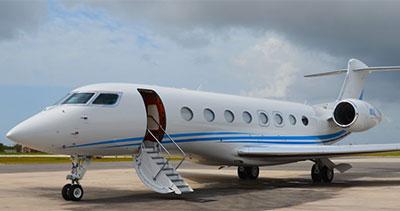
The idea of controlling an aircraft using hand gestures might seem like something straight out of a science fiction movie, but it is quickly becoming a reality. As the world moves toward more seamless and intuitive technology, the traditional methods of cockpit control, buttons, levers, and switches, are starting to give way to gesture-based systems. These systems promise to transform the private jet experience, offering an enhanced level of control and precision, along with a futuristic and sophisticated design.
The Concept Behind Gesture-Control Interfaces
Gesture-control interfaces are systems that allow users to control a device or system by using natural hand movements or gestures. The concept behind this technology is to make human-machine interaction more intuitive, reducing the need for complex inputs like buttons, dials, or switches. Instead, pilots can issue commands or adjust various systems in the cockpit simply by moving their hands, which is picked up by sensors and interpreted by the system.
This type of control is powered by advanced sensors, including infrared cameras, accelerometers, and motion detectors, which track the position and movement of the pilot’s hands. These sensors feed the data into a computer system that interprets the gestures and translates them into specific actions, such as adjusting the altitude, changing navigation settings, or controlling the cabin environment.
As aviation becomes increasingly reliant on automation, gesture control is poised to play an important role in making flying more user-friendly, reducing the physical workload on pilots, and improving the overall flying experience. By replacing physical controls with intuitive hand movements, the technology can reduce distractions and allow pilots to focus on other aspects of the flight, ultimately contributing to safety and efficiency.
How Gesture-Control Systems Work in Private Jets
Gesture control systems use a combination of motion-sensing technology, artificial intelligence, and machine learning to interpret hand movements. To understand how this technology works, it’s important to explore the underlying components and how they come together to create a seamless user experience.
- Sensors and Cameras
The core of a gesture-control system lies in the sensors and cameras that detect the pilot’s movements. These sensors are typically located around the cockpit and are designed to track hand gestures with great precision. Infrared sensors or stereo cameras can detect the position, speed, and direction of hand movements. By capturing detailed information about the pilot’s hand and finger positions, these sensors ensure that every gesture is accurately recognized.
Additionally, 3D depth sensors can help detect more complex gestures, such as a swipe in a particular direction or the movement of individual fingers. These sensors ensure that the system can distinguish between different gestures and translate them into specific commands, such as adjusting the autopilot or increasing the speed.
- Machine Learning and Artificial Intelligence
Once the sensors capture the hand movements, the data is processed by an onboard computer system. Artificial intelligence (AI) and machine learning algorithms play a critical role in interpreting the data and translating it into meaningful actions. Over time, these systems can “learn” the pilot’s preferences and style of flying, enabling the technology to adapt to the individual and respond more accurately to gestures.
For example, a simple hand wave could signal the system to switch to a specific mode, such as autopilot, while a specific gesture of the fingers might prompt the cockpit to adjust cabin lighting or initiate communication with air traffic control. AI allows the system to handle multiple variables and consider a wide range of factors, such as the aircraft’s altitude, speed, and current flight conditions, to determine the appropriate response.
- User Interface and Feedback
In addition to the sensors and AI, the cockpit must feature an intuitive user interface that gives pilots real-time feedback about their inputs. For instance, when a pilot performs a gesture, the system might display a visual representation of the change, such as an altitude reading adjusting or a map zooming in. These interfaces are designed to be clear and easy to understand, providing instant confirmation of the gesture’s effect on the flight.
Haptic feedback systems may also be integrated into gesture-control interfaces to provide tactile responses, such as vibrations, when a gesture is successfully recognized or when a command has been completed. This ensures that pilots feel connected to the system and have confidence that their gestures have been accurately interpreted.
Advantages of Gesture-Control Interfaces in Private Jet Cockpits
- Increased Efficiency and Reduced Workload
One of the most significant benefits of gesture-control interfaces is the reduction of physical effort required from the pilot. In traditional cockpits, pilots must manually press buttons, turn knobs, or pull levers to adjust various flight settings. This can become tiring and mentally taxing, especially during long-haul flights or high-stress situations.
By switching to gesture control, pilots can make adjustments with a simple hand movement, reducing their workload and enabling them to focus on more critical aspects of the flight. This streamlined approach to cockpit control can help prevent pilot fatigue and improve overall flight performance, making it especially valuable for private jets, where long and often complex flights are common.
- Enhanced Safety
Gesture-control systems can contribute to aviation safety by providing more precise control and reducing the risk of human error. Traditional cockpit controls can sometimes lead to mistakes, such as accidentally pressing the wrong button or switching the wrong system on. With gesture control, the ability to input commands is more intuitive and deliberate, reducing the likelihood of miscommunication between the pilot and the aircraft systems.
Furthermore, gesture-control interfaces can be designed to be more ergonomic, allowing pilots to make adjustments without having to take their eyes off important flight data or the external environment. By reducing distractions and improving the precision of controls, gesture interfaces can make the cockpit a safer place to be.
- Increased Comfort and Convenience
Flying a private jet is all about comfort and convenience, and gesture-control systems can enhance both. Pilots and passengers alike can enjoy a more comfortable and efficient flight experience by utilizing gesture-based controls to manage in-flight entertainment, adjust the cabin climate, and even control window shades, all with a simple hand gesture.
For instance, passengers might be able to raise the cabin windows or adjust lighting with the flick of a wrist, while pilots can tweak the autopilot settings or communicate with air traffic control through intuitive hand movements. This level of convenience allows for a more comfortable and pleasant journey, making private jets even more attractive for business executives and high-net-worth individuals who value seamless travel.
- Futuristic Appeal
Incorporating gesture-control interfaces into private jet cockpits adds an air of futuristic sophistication to the aircraft. As private jet owners continue to seek out the most cutting-edge technologies to enhance their travel experience, gesture-control systems provide a sleek, high-tech solution that reflects modern design trends. These systems not only offer practical advantages but also contribute to the overall luxury appeal of the aircraft, enhancing its image as a symbol of innovation and forward-thinking.
The Future of Gesture-Control Interfaces in Aviation
The integration of gesture-control interfaces in private jets is just the beginning of a new era in aviation. As technology continues to evolve, we can expect even more advanced versions of these systems to emerge, incorporating features like eye-tracking, voice commands, and multi-sensory feedback to further enhance the flying experience.
In the coming years, we may also see gesture control systems become standard in other forms of aviation, from commercial airlines to unmanned aircraft. As the systems become more reliable and widely adopted, pilots will likely rely on a combination of gesture controls, AI assistance, and automation to ensure smoother, more efficient flights.
Conclusion
Gesture-control interfaces represent a significant leap forward in the evolution of private jet cockpits, offering a more intuitive, efficient, and futuristic way for pilots to interact with their aircraft. By reducing the need for traditional manual controls and making adjustments with simple hand movements, gesture controls improve safety, reduce workload, and enhance the overall flying experience. As the technology continues to develop, we can expect gesture-based systems to become a common feature in private jets, further cementing the role of technology in shaping the future of aviation.


