


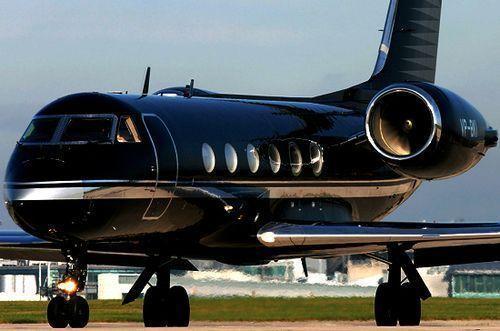
Leasing a private jet offers an attractive alternative to full ownership, especially for individuals or businesses that require the luxury of private air travel without the commitment of owning an aircraft. However, like any significant investment, leasing comes with both advantages and disadvantages that must be carefully considered before making a decision. Whether you’re a frequent business traveler or simply want the flexibility of private aviation, understanding the pros and cons of leasing a private jet will help you make an informed choice.
What Does It Mean to Lease a Private Jet?
Leasing a private jet is essentially an agreement between you and the leasing company that allows you to use their aircraft for a set period. In return, you make monthly payments based on the terms of the lease. Unlike ownership, where you take full responsibility for the aircraft, leasing a jet allows you to avoid the high upfront costs and operational responsibilities associated with ownership. There are two main types of leases available in the private jet industry: operating leases and finance leases.
- Operating Lease: This is a short-term lease, typically lasting between 2-5 years. In this arrangement, the leasing company owns the jet, and you pay for the right to use it. After the lease term ends, you can either return the aircraft, renew the lease, or choose another model. The primary benefit of an operating lease is flexibility.
- Finance Lease: A finance lease is a longer-term lease, often lasting 5-15 years. Under this type of lease, you have the option to purchase the jet at the end of the lease term. While it is more expensive than an operating lease, it offers more control and can be a good option for those who want a longer-term arrangement with the potential to own the jet.
Leasing allows individuals or businesses to access the convenience and luxury of a private jet without the full responsibility that comes with ownership. However, as with any decision, there are both positive and negative aspects to leasing, which we will explore in greater detail below.
Pros of Leasing a Private Jet
- Lower Upfront Costs One of the biggest advantages of leasing a private jet is the significantly lower upfront cost compared to purchasing an aircraft. Buying a private jet requires millions of dollars, which can be out of reach for many people or companies. On the other hand, leasing allows you to pay a smaller deposit, and you won’t have to worry about the high upfront financial commitment that comes with ownership. This makes private jet leasing more accessible for those who may not have the funds to purchase an aircraft outright.
- Flexibility in Terms Leasing a private jet provides flexibility that ownership cannot match. With an operating lease, you can choose the length of your lease, whether it’s two years or five years, and when the lease term ends, you have the option to return the aircraft, renew the lease, or upgrade to a different model. If your travel needs change, leasing gives you the ability to adapt without being locked into a long-term commitment. This flexibility is especially beneficial for businesses with fluctuating travel demands or individuals whose travel schedules might vary.
- Predictable Monthly Payments Leasing a private jet often comes with fixed monthly payments, making it easier to budget and plan. These payments usually cover the aircraft’s use, and depending on the lease agreement, they might also include costs such as maintenance, insurance, and crew services. With predictable monthly payments, you can avoid the financial unpredictability that comes with owning a jet, where unexpected maintenance or repair costs can arise.
- Access to Newer Aircraft Models When leasing a private jet, you have the opportunity to fly in newer, state-of-the-art aircraft models that may be out of reach if you were to purchase a jet. Many leasing companies offer a range of modern jets, so you can choose the model that best suits your needs. If you lease for several years, you may even have the option to upgrade to a new model at the end of your lease term, allowing you to enjoy the latest technology and design features.
- No Depreciation Worries Unlike owning an aircraft, where the value of the jet depreciates over time, leasing eliminates concerns about depreciation. When you lease, you don’t bear the financial risk of your jet losing value. This is a significant advantage for those who don’t want to worry about the long-term financial implications of aircraft ownership. Leasing lets you enjoy the benefits of private aviation without the concern that your investment is losing value.
- Lower Operational Costs Leasing a private jet typically means that many of the operational costs, such as maintenance, insurance, and crew salaries, are handled by the leasing company. This can significantly reduce the hassle and financial burden on the lessee. When you own an aircraft, these operational costs can add up quickly, with some owners spending millions of dollars annually on maintenance and crew. Leasing gives you access to a jet without the need to manage these costs directly.
- Flexibility in Aircraft Choice Leasing offers the flexibility to choose the right aircraft for each specific trip. Depending on your needs, you can opt for a small jet for short regional flights or a larger, more luxurious jet for long-haul international flights. This gives you access to a range of aircraft options, ensuring that you always have the right jet for your travel requirements. You are not tied to one specific model, as would be the case with ownership.
- No Long-Term Commitment For individuals or companies whose travel needs are uncertain or fluctuating, leasing offers a significant advantage over ownership. A lease term typically lasts between two and five years, allowing you to avoid a long-term commitment. If your travel needs change, you have the ability to walk away from the lease at the end of the term, without the hassle of trying to sell or manage an aircraft.
Cons of Leasing a Private Jet
- Higher Long-Term Costs While the upfront costs of leasing are lower, leasing a private jet can end up being more expensive in the long run compared to owning. The total cost of lease payments over the years can exceed the price of purchasing an aircraft outright, especially if you lease for many years. Over time, leasing can become more costly than ownership, particularly if you plan to use the jet frequently.
- Limited Control Over the Aircraft When you lease a private jet, you do not have full control over the aircraft, as you would with ownership. The leasing company typically has final say over the maintenance schedule, modifications, and usage policies. If you want to make specific changes or customizations to the aircraft, such as interior modifications, you may be limited in what you can do. With ownership, you have complete control over every aspect of the aircraft, including how it’s maintained and upgraded.
- Limited Customization Options Although many leasing companies offer a range of jets with modern amenities and features, the ability to customize the interior and design of the jet is usually limited. With ownership, you can personalize every detail of the aircraft to suit your tastes, from the seating arrangements to the decor. Leasing often involves flying in a pre-configured jet, which might not have all the features or styles you prefer.
- Limited Availability of Aircraft While leasing gives you access to a fleet of aircraft, you are still dependent on the availability of the jets within the leasing company’s fleet. If you require a specific type of jet at a certain time, there may be scheduling conflicts or availability issues, especially during peak travel seasons. Ownership eliminates this problem, as the jet is always available for use.
- No Equity Building One of the downsides of leasing is that you are not building equity in the aircraft. When you own a jet, you have a tangible asset that can be sold or used as collateral. With leasing, you are essentially paying for the right to use the jet, but at the end of the lease term, you have nothing to show for your investment. This lack of equity may make leasing less appealing for those looking for a long-term investment in private aviation.
- Potential for Unforeseen Fees Leasing a private jet can come with hidden fees and additional costs that might not be immediately apparent. For example, you may be responsible for covering certain operating costs that are not included in the monthly lease payments, such as fuel, landing fees, and catering expenses. Additionally, if you exceed the terms of your lease agreement, you could face additional charges or penalties. These unforeseen fees can add up, making leasing more expensive than initially anticipated.
- Limited Lease Flexibility While leasing offers some flexibility in terms of lease duration, once you sign a lease agreement, you are generally locked into the terms for the agreed-upon period. If your needs change mid-lease, it can be difficult to modify the agreement or return the jet early without incurring penalties. This lack of flexibility can be a disadvantage for those whose travel requirements are unpredictable or subject to change.
- Insurance and Liability While leasing companies typically handle the insurance of the jet, you may still be required to pay a portion of the premiums or cover specific liabilities during the lease term. Insurance costs can vary depending on the aircraft type, lease terms, and frequency of use. This adds another layer of financial responsibility to the leasing process.
Conclusion
Leasing a private jet can be a great option for those who need the flexibility, luxury, and convenience of private air travel without the high upfront costs and long-term commitment associated with ownership. It allows for predictable costs, access to newer aircraft, and reduced operational responsibilities. However, leasing also has its drawbacks, including higher long-term costs, limited control and customization options, and potential for unforeseen fees.
When deciding whether to lease a private jet, it’s essential to carefully evaluate your travel needs, budget, and long-term goals. For those who fly infrequently or want the flexibility to change aircraft models, leasing may be the best choice. On the other hand, for individuals or businesses with consistent travel demands and a
desire for full control over their aircraft, ownership might be the better option.
Ultimately, the decision to lease or own a private jet depends on your personal preferences and how you prioritize factors like cost, flexibility, and long-term investment. By understanding the pros and cons of leasing, you can make a more informed decision and ensure that your private aviation experience is both enjoyable and financially sound.


