


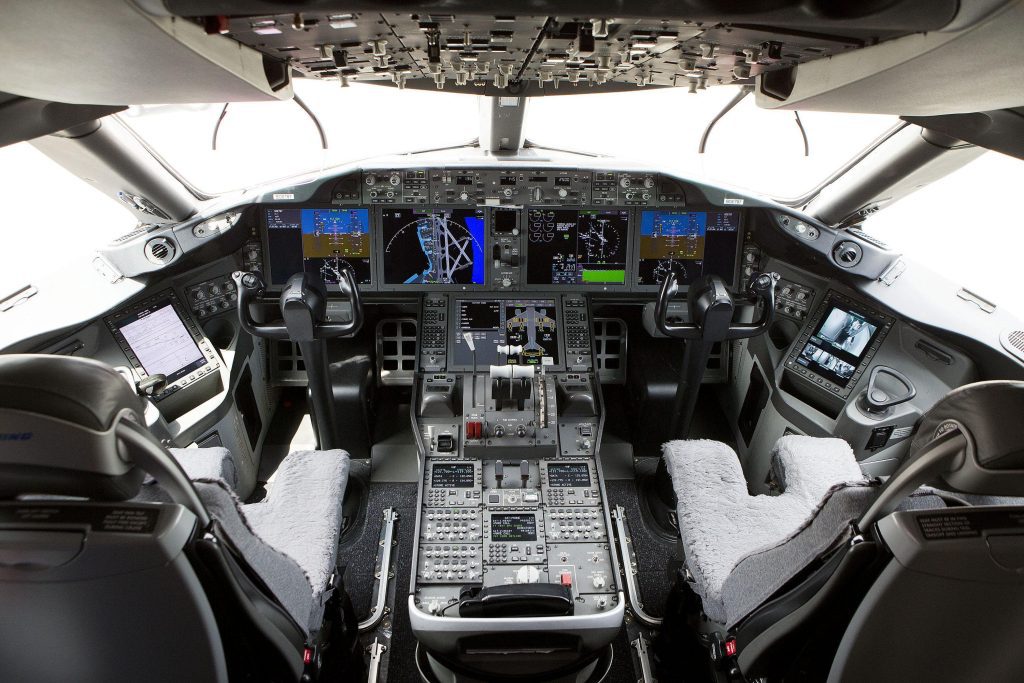
Introduction: The Evolution of Supersonic Aviation
The aviation industry has always been a symbol of human progress, offering faster, more efficient travel options that shrink the world and connect people across continents. But now, we are on the brink of entering a new age of private air travel, thanks to the advent of supersonic private jets.
While supersonic commercial flights have long been associated with the now-retired Concorde, the idea of private supersonic jets was largely considered a futuristic fantasy, until now. With advancements in technology, increased demand for luxury, and the pursuit of ultra-fast travel, supersonic private jets are set to revolutionize the aviation industry once again.
In this article, we will explore the rise of supersonic private jets, what to expect from these high-speed aircraft, the challenges and benefits associated with their introduction, and how they will reshape the future of private aviation.
1. What Makes Supersonic Jets Different?
To understand why supersonic private jets are creating such a buzz, we must first look at what sets them apart from conventional jets. A supersonic jet is an aircraft that flies faster than the speed of sound, which is approximately 1,225 km/h (761 mph) at sea level. This is much faster than most current private jets, which typically fly at speeds of around 800-900 km/h (500-560 mph).
The Speed Advantage
Supersonic jets can cut flight times significantly. For example, a flight from New York to London, which typically takes about 7-8 hours in a regular private jet, could take only around 3.5 hours in a supersonic jet. The ability to fly at such high speeds opens up incredible possibilities for business executives, VIPs, and global travelers who need to maximize their time and efficiency.
Aerodynamic Design and Materials
The design of supersonic jets is markedly different from subsonic jets. The sleek, streamlined shape is built for speed, with features such as delta wings and smaller, more powerful engines that allow the aircraft to achieve and sustain supersonic speeds. Additionally, new lightweight yet durable materials, such as carbon composites, are being used to reduce weight while maintaining the aircraft’s strength and stability.
2. Key Players in the Supersonic Private Jet Market
Several companies are leading the charge in developing supersonic private jets, with prototypes and designs already in the works. These companies are pushing the boundaries of what’s possible in aviation and making the dream of supersonic private jet travel a reality.
Boom Supersonic
One of the most prominent companies in the race to create the world’s first commercial supersonic jet is Boom Supersonic. With their ambitious project, Overture, Boom aims to provide a supersonic jet that can carry passengers at speeds of up to 1,500 mph (2,414 km/h). Overture will be capable of flying at Mach 2.2, twice the speed of sound, significantly reducing flight times for international travel.
Boom has already secured partnerships with airlines and investors, and is working on bringing its prototype to life. The first Overture jet is expected to be ready for commercial flights by the mid-2020s, with private jet variants likely to follow soon after.
Aerion Supersonic
Another key player in the supersonic jet race is Aerion Supersonic, which has been developing the Aerion AS2. This private jet is designed to reach speeds of Mach 1.4 (1,074 mph) and offers a luxurious, high-performance flying experience. Aerion’s AS2 is expected to be able to carry up to 12 passengers and offer significant time savings on long-haul flights.
Aerion has made significant strides in its development, and its focus is on creating an environmentally sustainable supersonic aircraft that will minimize the environmental impact of high-speed flight. The company is working closely with NASA and other aerospace organizations to achieve this goal.
Spike Aerospace
Spike Aerospace is another innovative company that is developing the Spike S-512 supersonic jet. The S-512 will be able to reach Mach 1.6 and can carry up to 18 passengers. One of the most unique aspects of the S-512 is its silent supersonic flight technology. The S-512 aims to minimize the sonic boom, a loud and disruptive sound that occurs when an aircraft breaks the sound barrier.
By focusing on reducing the environmental and social impact of supersonic flight, Spike Aerospace hopes to make supersonic private jets a more accessible option for a wider range of travelers.
3. Benefits of Supersonic Private Jets
The rise of supersonic private jets offers numerous benefits for travelers and businesses. Let’s take a closer look at some of the most notable advantages of these high-speed jets.
Time Savings
Perhaps the most obvious benefit of supersonic private jets is the time savings. Whether you’re a business executive, entrepreneur, or frequent traveler, the ability to significantly cut travel times can be a game-changer. Supersonic jets can drastically reduce the hours spent in transit, allowing you to get more done in less time.
For example, a flight from Los Angeles to Tokyo typically takes around 11 hours in a regular jet. With a supersonic jet, that time could be reduced to just 6 hours, an entire workday saved!
Increased Productivity
Supersonic private jets allow business leaders and entrepreneurs to maximize their productivity by getting to their destinations faster. Whether you’re attending a high-stakes meeting, closing deals, or visiting multiple locations in a single day, the time saved by flying supersonic can make all the difference. You’ll have more time to focus on what matters most, rather than spending hours in the air.
Luxurious Experience
Supersonic jets will still offer all the luxury and comfort that private jet owners have come to expect. From spacious, customizable interiors to world-class service, these aircraft will cater to passengers who value both speed and comfort. Expect to find state-of-the-art amenities, advanced entertainment systems, and a very uniqueed attention to detail during your flight.
Global Connectivity
As the world becomes more connected, the demand for rapid international travel increases. Supersonic jets will enable unprecedented global connectivity, allowing passengers to fly across the globe in record time. This is particularly important for business executives who need to attend multiple meetings across different time zones in a single day.
4. Challenges Facing Supersonic Private Jets
While the future of supersonic private jets is undoubtedly exciting, several challenges remain in making these high-speed aircraft a reality.
Sonic Boom and Noise Pollution
One of the most significant hurdles for supersonic aviation has been the sonic boom, the loud noise created when an aircraft breaks the sound barrier. While the boom can be thrilling to witness, it is disruptive and can cause significant noise pollution, particularly over land. This has led to restrictions on supersonic flight over populated areas.
To overcome this, companies like Spike Aerospace and Boom Supersonic are working on technology to reduce the sonic boom or make it less noticeable. This would make supersonic jets more socially acceptable and pave the way for broader use over land.
Environmental Impact
While supersonic jets are designed to be more fuel-efficient than traditional aircraft, the environmental impact of flying at such high speeds remains a concern. Supersonic jets burn more fuel and release more carbon emissions than subsonic jets, which raises questions about their sustainability.
Some companies, like Aerion, are working to make supersonic jets more eco-friendly by incorporating sustainable aviation fuel (SAF) and other green technologies. However, widespread adoption of supersonic private jets will require ongoing efforts to mitigate their environmental impact.
High Costs
Another challenge for the rise of supersonic private jets is their high cost. These jets are likely to be very expensive to purchase and maintain, making them out of reach for many potential buyers. However, as technology advances and production scales up, the cost of supersonic jets may decrease over time, making them more accessible to a broader market.
5. What to Expect from the Future of Supersonic Private Jets
As we look ahead, the future of supersonic private jets is filled with promise. The technology is rapidly advancing, and the aviation industry is eager to embrace this new era of speed and luxury. While there are still hurdles to overcome, such as noise pollution and environmental concerns, the potential benefits of supersonic private jets are undeniable.
By the mid-2020s, we may begin to see the first commercial flights of supersonic private jets. These jets will offer a very uniqueed speed, luxury, and convenience, changing the way we think about air travel. As the demand for fast, efficient, and eco-friendly travel continues to grow, supersonic private jets will likely become an essential part of the future of aviation.
Conclusion: The Dawn of a New Era in Aviation
The rise of supersonic private jets is a transformative moment for the aviation industry. These high-speed aircraft promise to change the way we travel, offering unprecedented time savings, global connectivity, and luxurious experiences. While challenges remain, such as environmental concerns and high costs, the future of supersonic travel is undeniably exciting. The dream of ultra-fast, private air travel


