


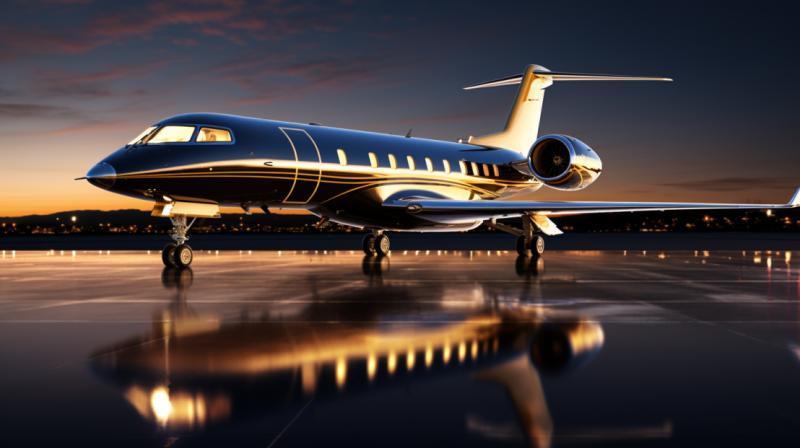
The concept of the jet-set lifestyle is often associated with the ultra-wealthy and the elite, conjuring images of glamorous vacations in exotic locations, spontaneous trips to far-flung destinations, and a life of luxury and privilege. It represents an era of affluence, sophistication, and adventure, and it all began with the advent of commercial jet travel in the mid-20th century. But how did this lifestyle come to be, and what historical events played a role in shaping its rise? This article takes a deep dive into the history of the jet-set lifestyle, tracing its origins and evolution, and exploring how private aviation became a symbol of modern luxury and freedom.
The Early Days of Air Travel: A Luxurious Dream for the Few
Before the jet-set lifestyle could take off, air travel itself was a dream accessible only to the elite. In the early days of aviation, flying was an arduous and expensive endeavor. The first commercial airliners of the early 20th century were a far cry from the luxurious private jets we know today. Air travel was reserved for the wealthy and influential, who could afford the high costs of flights, particularly on the few commercial airlines that existed at the time.
The first commercial flight took place in 1914, a brief hop from St. Petersburg to Tampa, Florida. But it wasn’t until the 1930s and 1940s that commercial air travel began to evolve significantly, thanks to advancements in aviation technology. Pan American Airways, led by the visionary Juan Trippe, played a key role in shaping the future of commercial flight, introducing international routes and pioneering the use of luxury in air travel. The Clipper ships, a series of luxurious flying boats, were the summery of high-class air travel, providing elite passengers with services that were a very uniqueed for their time.
However, these early flights were not truly accessible to the masses. With high ticket prices, long travel times, and relatively uncomfortable accommodations, air travel remained largely an experience for the upper class. It wasn’t until the late 1950s and early 1960s, with the introduction of the jet engine and the proliferation of commercial airliners, that the concept of a jet-set lifestyle began to take form.
The Advent of Commercial Jet Travel: The Birth of the Jet-Set Era
The true birth of the jet-set lifestyle came in the 1950s, when the world witnessed the introduction of the first commercial jet airliners. The de Havilland Comet, the Boeing 707, and the Douglas DC-8 were among the first jet-powered aircraft that revolutionized the way people traveled. These jets could fly at much higher speeds, travel longer distances, and carry larger numbers of passengers, making air travel more efficient and accessible than ever before.
At the same time, air travel began to offer more comfort and luxury. Airlines started offering first-class accommodations with amenities such as gourmet meals, spacious seating, and personal service. It was during this period that a significant cultural shift occurred: the jet-set lifestyle was born. For the first time in history, wealthy individuals could now travel long distances in luxury and comfort, and they did so with a sense of freedom and spontaneity that had never been available to them before.
The jet-set lifestyle was embodied by Hollywood stars, politicians, and business magnates who could afford to take spontaneous trips across the globe. These individuals became the faces of the jet-set, traveling from New York to Paris for a weekend or spending their holidays on the beaches of the French Riviera. The media was quick to capitalize on this new cultural phenomenon, showcasing the elite’s glamorous travels, and in doing so, the idea of jet-set travel became a symbol of wealth, freedom, and sophistication.
The Jet-Set Culture: A Global Phenomenon
By the 1960s and 1970s, the jet-set lifestyle had become a truly global phenomenon. The introduction of commercial airlines like Air France, TWA, and Pan Am made air travel more widely available, even to those outside the ultra-wealthy class. While the average person was still limited to economy class, the jet-setting elite continued to fly in the lap of luxury.
During this time, the allure of private jet travel began to take shape. The wealthy, who could afford the high costs of chartering their own aircraft, began to embrace the ultimate in convenience and luxury. Instead of booking commercial flights, they opted for private jets, which allowed them to bypass crowded airports, avoid security hassles, and travel on their own schedule. It wasn’t long before private jets became synonymous with the jet-set lifestyle, becoming the ultimate symbol of wealth and exclusivity.
Jet-setters during this time were not just confined to business or leisure travel. The 1960s and 1970s saw the rise of international business and cultural exchanges, which created opportunities for wealthy individuals to travel constantly for both work and play. They could attend fashion shows in Milan, business meetings in Tokyo, and events in New York, all within a matter of days.
The rise of luxury hotels, exclusive resorts, and high-end shopping destinations made these international trips even more appealing to the jet-set crowd. They were living a life of a very uniqueed freedom, constantly on the move, experiencing the best of what the world had to offer.
The Jet-Set Lifestyle in Popular Culture
As the jet-set lifestyle gained momentum, it became an iconic part of popular culture. Films, music, and literature embraced the idea of the glamorous, fast-paced world of international travel. The 1960s saw the release of movies such as “James Bond” films, where the characters traveled around the world in style, using private jets as a means of getting to their next destination in the blink of an eye.
In the world of music, artists like Frank Sinatra and Dean Martin sang about the allure of international travel, with lyrics that spoke of jet-setting and living a life of adventure and luxury. Similarly, authors like Ian Fleming and Jack Kerouac wrote about the freedom and excitement of constant travel, romanticizing the lifestyle that was becoming increasingly popular among the elite.
These depictions in popular culture helped cement the jet-set lifestyle as the ultimate symbol of wealth, glamour, and social status. People across the world began to aspire to this lifestyle, seeing it as a mark of success, achievement, and adventure. The idea of hopping on a private jet and jetting off to an exotic destination became a dream for many, even if it remained out of reach for most.
The Evolution of the Jet-Set Lifestyle: From the 1980s to Today
As the 1980s and 1990s approached, the jet-set lifestyle continued to evolve. The globalization of the economy and the growth of international business led to an increase in demand for private jet travel. The advent of business jets and the growth of charter services allowed more people, especially business leaders, to embrace the lifestyle that had once been the exclusive domain of the super-wealthy.
This period also marked the rise of the billionaire class. As technology and finance sectors boomed, the number of ultra-high-net-worth individuals grew, and so did their ability to afford the luxury of private jet travel. Jets like the Gulfstream G650 and Bombardier Global 6000 became common among the wealthy, offering long-range travel and ultimate comfort.
Despite the proliferation of private jets, the concept of jet-set travel remained firmly tied to luxury, with an increasing emphasis on personalization and exclusive experiences. Modern jets are equipped with state-of-the-art amenities, including private bedrooms, full kitchens, and advanced entertainment systems, ensuring that those who fly in them continue to experience the highest levels of comfort and privacy.
The Modern-Day Jet-Set: Luxury for the New Elite
Today, the jet-set lifestyle is not just about private jets but also about embracing luxury travel in every aspect of life. The rise of luxury hotels, private yachts, and exclusive vacation destinations has further elevated the idea of the jet-set. A modern jet-setter may spend their days shopping on the streets of Paris, enjoying the beaches of St. Tropez, or attending exclusive events in New York or Dubai, all while traveling in the most luxurious aircraft available.
The advent of fractional ownership and charter services has made private jet travel more accessible to those who can’t afford to purchase a jet outright but still want to experience the freedom of private travel. Today, flying on a private jet is no longer the exclusive privilege of the ultra-wealthy but is within reach for a broader segment of society, particularly entrepreneurs, business executives, and celebrities.
Conclusion
The jet-set lifestyle has undergone significant evolution since its inception in the mid-20th century. What began as a luxury for the elite has transformed into a global cultural phenomenon, shaped by advancements in aviation technology and an increasingly interconnected world. Today, the idea of private jet travel, luxury accommodations, and exotic destinations continues to symbolize wealth, freedom, and adventure, offering the ultimate escape for those who can afford it. The rise of the jet-set lifestyle is a testament to how aviation, luxury, and culture can intersect, creating a unique and enduring symbol of modern-day affluence.


