


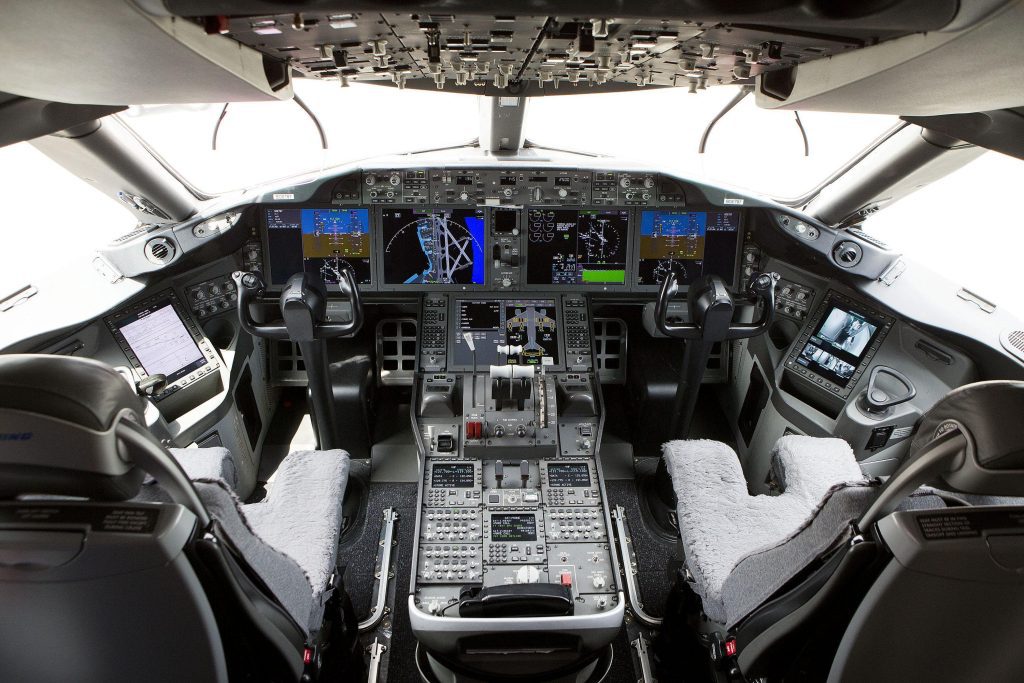
Introduction: Understanding the Role of a Co-Pilot in Private Jets
In the world of private aviation, the role of a co-pilot is often underestimated, overshadowed by the commanding presence of the pilot. However, the success of any private jet flight relies heavily on the relationship and coordination between these two highly skilled professionals. A private jet co-pilot plays a pivotal role in ensuring flight safety, efficiency, and a seamless travel experience for passengers. But what exactly makes a great co-pilot? Let’s explore the essential qualities, training, and responsibilities that define a standout co-pilot in private aviation.
1. Strong Technical Expertise and Aviation Knowledge
The first and most obvious characteristic of a great co-pilot is a strong foundation in aviation. Co-pilots must possess a deep understanding of aircraft systems, navigation procedures, and flight operations. They must be well-versed in the aircraft they are flying, including its technical capabilities, limitations, and emergency protocols.
A co-pilot must have undergone extensive training, including obtaining a Commercial Pilot License (CPL) and an Instrument Rating (IR). This allows them to handle the aircraft in various weather conditions, altitudes, and complex flight scenarios. Furthermore, they should be proficient in air traffic control procedures, knowing how to communicate effectively with ATC and managing the flight’s operational logistics.
2. The Ability to Work in Tandem with the Pilot
A great co-pilot is more than just a second-in-command; they must be able to work seamlessly with the pilot to ensure that all aspects of the flight are managed effectively. This relationship is often referred to as crew resource management (CRM), which emphasizes the importance of communication, mutual respect, and trust between flight crew members.
The best co-pilots understand when to take initiative and when to step back, allowing the pilot to lead in critical situations. A cooperative dynamic between pilot and co-pilot enhances flight safety, reduces stress levels, and improves overall operational efficiency.
3. Situational Awareness and Problem-Solving Skills
One of the most crucial qualities of an outstanding co-pilot is their ability to remain highly aware of the flight’s environment, anticipate potential issues, and act swiftly in emergencies. Situational awareness is the co-pilot’s ability to stay informed about the aircraft’s position, altitude, weather conditions, and any potential obstacles in the flight’s path.
In the event of an emergency, a great co-pilot must be able to quickly assess the situation and offer solutions, whether it’s troubleshooting technical failures, diverting to another airport, or communicating with ground support teams. Decision-making under pressure is a crucial part of the co-pilot’s role, as is the ability to manage stress in high-stakes situations.
4. Excellent Communication Skills
Communication is essential for effective coordination within the cockpit and with air traffic controllers. A great co-pilot must have exceptional verbal and written communication skills to relay important information clearly and concisely. Miscommunication in the cockpit can lead to disastrous consequences, making it essential for the co-pilot to articulate their observations, concerns, and actions in a way that ensures clarity.
Additionally, strong interpersonal communication skills are vital when dealing with passengers or ground crew. Private jet co-pilots often interact with high-profile clients who expect a professional, smooth experience. Good communication fosters a positive and trusting relationship between all parties involved.
5. Physical and Mental Stamina
The demands of private jet flying are intense, and the role of a co-pilot requires physical and mental stamina. A co-pilot must be prepared to handle long, irregular hours, frequent time zone changes, and the physical stresses of flying at high altitudes for extended periods. Fatigue management is crucial, as tiredness can impair decision-making and performance.
On the mental side, a great co-pilot must maintain focus during long flights and be alert to changing conditions, such as weather fluctuations or shifting air traffic. Co-pilots must be able to manage cognitive load, balancing the various tasks and responsibilities required during each stage of the flight.
6. Attention to Detail and Organizational Skills
Great co-pilots excel at attention to detail. They must manage multiple tasks and ensure that all aspects of the flight are running smoothly. This includes pre-flight checks, monitoring the aircraft’s systems during the flight, and managing in-flight logistics like fuel consumption and flight plans.
Strong organizational skills are also vital. A great co-pilot ensures that all paperwork, flight logs, and maintenance records are properly handled and up-to-date. The meticulous attention to detail contributes to the smooth operation of the flight and ensures compliance with aviation regulations and standards.
7. Adaptability and Flexibility
The world of private aviation is dynamic, and no two flights are ever the same. Great co-pilots are adaptable and able to handle the unpredictability that comes with flying. They must be flexible when faced with last-minute changes to flight plans, weather disruptions, or unexpected client requests.
Co-pilots must also be ready to fly various types of aircraft, from light jets to large business jets. Their ability to quickly adjust to the needs of each flight ensures that they can offer a consistently high level of service.
8. Cultural Sensitivity and Discretion
Private jets often carry high-profile clients from around the world, and a co-pilot must be aware of the cultural norms and expectations of diverse passengers. Discretion is another important quality, as private jet clients often value their privacy and expect the crew to maintain the utmost confidentiality.
Being able to navigate the complex world of luxury aviation, where discretion and etiquette are paramount, sets top-tier co-pilots apart from others. Understanding how to handle VIP clients with respect and courtesy enhances the client’s experience and fosters long-term loyalty.
Conclusion: The Making of a Great Private Jet Co-Pilot
The role of a private jet co-pilot is a blend of technical proficiency, interpersonal skills, and adaptability. It requires a deep commitment to safety, a passion for aviation, and an ability to handle the high demands of private aviation.
Becoming a great co-pilot involves continuous learning, developing specialized skills, and building a reputation as a reliable, competent, and discreet professional. The best co-pilots are those who not only meet the technical requirements of their role but also understand the nuances of flying for VIP clients and high-profile passengers.


