


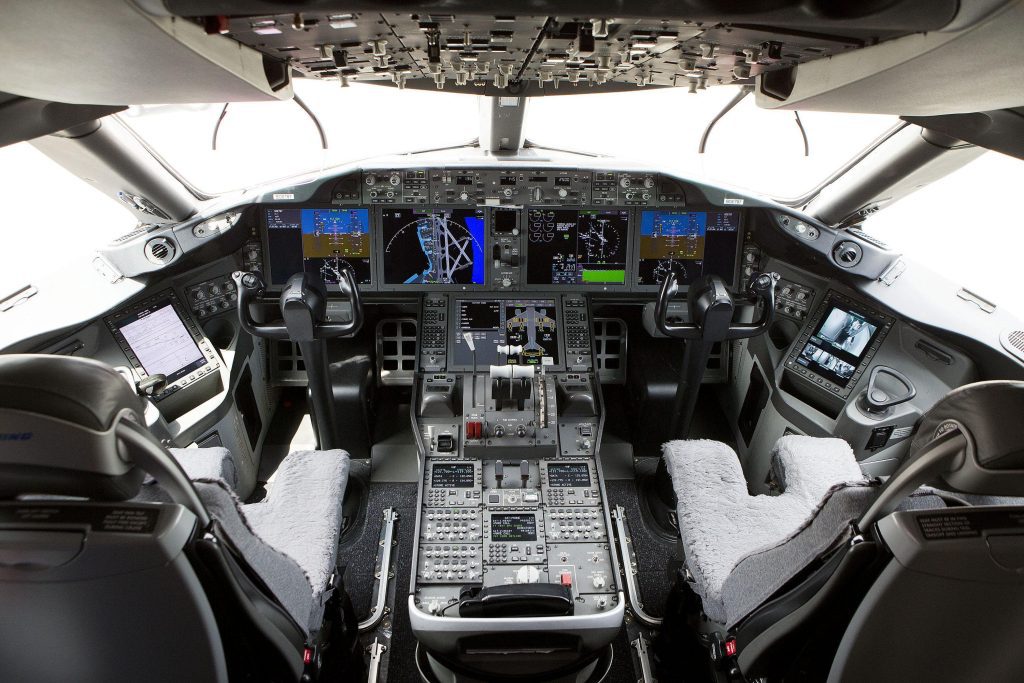
Fuel efficiency has always been a major concern in the aviation industry, especially for private jets. As fuel costs rise and environmental sustainability becomes an increasingly pressing issue, private jet owners and operators are seeking ways to improve fuel usage while maintaining performance and comfort. Artificial Intelligence (AI) is emerging as a powerful tool to address these challenges, offering innovative solutions for real-time fuel optimization. By integrating AI-powered systems into private jet operations, these aircraft can adjust fuel consumption dynamically, ensuring that each flight is as efficient and cost-effective as possible.
The potential of AI in aviation goes beyond just optimizing fuel usage. It’s about creating smart flight operations that reduce carbon emissions, enhance operational efficiency, and increase overall sustainability. AI can track a wide array of variables, from flight routes to weather conditions, and make real-time adjustments to optimize fuel consumption without compromising flight performance or safety. In this article, we will delve into the role AI plays in fuel optimization for private jets and the broader implications for the aviation industry.
How AI Optimizes Fuel Consumption in Private Jets
- Predictive Analytics for Route Optimization
One of the primary factors that impact fuel consumption is the flight route. Traditional flight planning relies heavily on pre-determined routes, but these routes are not always the most fuel-efficient. AI-powered systems can analyze a vast amount of data in real time, including weather patterns, air traffic, wind speeds, and altitude changes, to identify the most fuel-efficient path for each flight.
By using predictive analytics, AI can dynamically adjust the flight route based on changing conditions, ensuring that the aircraft takes the shortest and most efficient path. For example, if a tailwind is detected, AI can adjust the altitude or speed to take full advantage of it, reducing fuel consumption. Conversely, if adverse weather conditions are identified, AI can suggest alternative routes to avoid headwinds, ensuring that the aircraft consumes less fuel.
This ability to optimize flight paths in real time not only improves fuel efficiency but also reduces flight times, making travel faster and more economical.
- Dynamic Flight Speed Adjustments
In addition to optimizing the route, AI can adjust the flight speed to ensure fuel efficiency. Aircraft engines consume more fuel at higher speeds, so even small reductions in speed can lead to significant fuel savings. AI systems can make these adjustments based on real-time data, considering factors such as altitude, wind conditions, and air traffic.
AI can also monitor the fuel flow rate and make real-time decisions about the optimal speed for each phase of the flight. For example, during cruise, the system can calculate the best speed to balance fuel efficiency with time efficiency, ensuring the aircraft reaches its destination as quickly as possible without burning unnecessary fuel.
- Optimization of Aircraft Weight and Payload
The weight of the aircraft, including the passengers, luggage, and cargo, plays a crucial role in determining fuel consumption. Heavier aircraft require more fuel to achieve lift, and optimizing the weight distribution is a key factor in improving fuel efficiency. AI can help optimize fuel usage by analyzing the payload and making recommendations for weight distribution before and during the flight.
For instance, AI can suggest adjustments to baggage placement or recommend adjustments to fuel levels based on the anticipated weight of the aircraft. This ensures that the aircraft does not carry excess fuel, reducing overall weight and fuel consumption. AI can also monitor the aircraft’s fuel usage in real time and adjust fuel levels throughout the flight to ensure efficiency.
- Engine Performance Monitoring
AI can continuously monitor the performance of the aircraft’s engines, identifying potential inefficiencies that may lead to excessive fuel consumption. By analyzing engine data, AI systems can detect anomalies or suboptimal performance, such as increased fuel consumption due to engine wear or malfunctioning components.
With predictive maintenance capabilities, AI can forecast when an engine might need attention, allowing operators to perform maintenance before any issues arise. This helps maintain optimal engine performance, ensuring that fuel is being used efficiently throughout the life of the engine. Real-time engine monitoring also provides data-driven insights that can be used to make future operational adjustments, further improving fuel efficiency.
- Energy Management for Hybrid or Electric Jets
In the emerging field of hybrid-electric aviation, AI plays a critical role in managing the energy flow between traditional jet fuel and electric batteries. Hybrid aircraft use a combination of jet engines and electric motors, which require careful balancing to optimize fuel consumption and energy efficiency.
AI systems can manage the transition between fuel-powered engines and electric motors, adjusting their use based on flight conditions. For example, during takeoff, the jet might rely on the more powerful jet engines, but as the aircraft reaches cruising altitude, the AI can switch to electric motors to reduce fuel usage. AI can also determine when to recharge the electric motors during the flight, optimizing the use of both power sources to ensure minimal fuel consumption while maximizing sustainability.
The Environmental Benefits of AI in Fuel Optimization
The most significant impact of AI-driven fuel optimization is its potential to reduce carbon emissions and enhance the sustainability of private jet travel. With the aviation industry under increasing pressure to reduce its environmental footprint, fuel efficiency has become a key priority. AI offers a way to minimize fuel consumption without compromising performance, making it a crucial tool in the push toward carbon-neutral aviation.
By optimizing flight routes, adjusting flight speeds, and monitoring engine performance, AI can reduce overall fuel consumption, leading to fewer emissions per flight. In the long term, this could significantly contribute to the decarbonization of the aviation industry.
- Reducing Carbon Emissions
By improving fuel efficiency, AI helps reduce the amount of fuel burned, which in turn lowers the carbon emissions associated with private jet travel. Even small improvements in fuel efficiency can have a significant impact when considering the number of private jet flights that take place globally each year.
In the future, AI could be integrated with carbon offset programs to further reduce the environmental impact of private jet travel. For instance, the system could automatically calculate the carbon footprint of each flight and suggest ways to offset emissions through environmental initiatives, such as planting trees or investing in renewable energy projects.
- Advancing Sustainable Aviation Technologies
The AI-driven optimization of fuel usage is also helping to pave the way for sustainable aviation technologies. As AI continues to evolve, it may play a key role in advancing next-generation electric aircraft and sustainable aviation fuels (SAF), which have the potential to significantly reduce the carbon footprint of private jets.
AI could help integrate these technologies into private jet operations by optimizing the use of sustainable energy sources, reducing reliance on fossil fuels, and improving the overall environmental sustainability of aviation.
Conclusion
The integration of artificial intelligence into private jet operations is revolutionizing the way fuel consumption is optimized. By leveraging real-time data, AI can adjust flight routes, speed, and engine performance to ensure maximum fuel efficiency while reducing operational costs and carbon emissions. As private jet owners and operators strive for greater sustainability in the face of rising fuel costs and environmental pressures, AI offers a promising solution to these challenges.
Through AI-powered fuel optimization, private jets can reduce their environmental impact, lower operational costs, and improve the overall travel experience for passengers. With the continued advancements in AI technology, the future of private jet travel looks not only more efficient but also more sustainable, helping the aviation industry reach its environmental goals while maintaining luxury and performance.


