


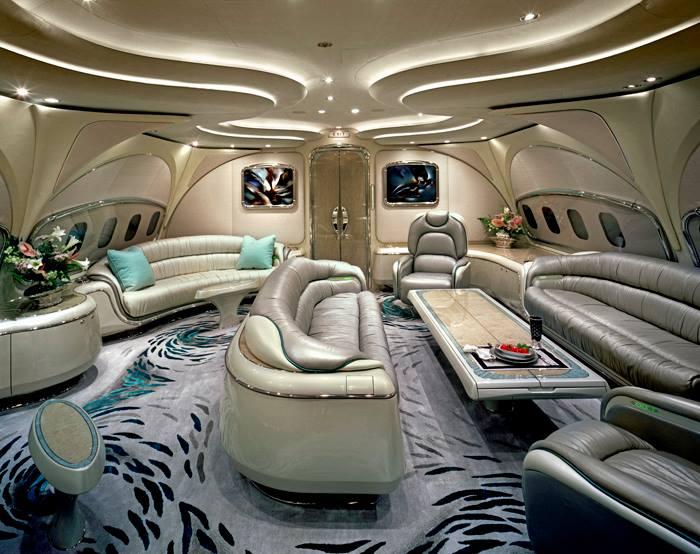
When it comes to the design of private jets, every detail counts. From the upholstery and lighting to the materials used for the interior, every element is carefully selected to create a luxurious, comfortable, and functional space for the owner and passengers. One of the most powerful elements in shaping the atmosphere of a jet is often overlooked: color. The colors chosen for the jet’s interior can have a profound impact on the mood, emotional state, and overall experience of those aboard. This is where color psychology comes into play, understanding how different hues affect the mind and body can help designers create environments that promote relaxation, productivity, and enjoyment.
In this article, we will explore the role of color psychology in jet design, how various colors influence mood and behavior, and how private jet owners and designers can use these insights to create optimal cabin environments. By understanding the emotional and psychological effects of color, jet designers can elevate the luxury experience of air travel, providing a space that is not only visually appealing but also conducive to the specific needs and preferences of the passengers.
1. Understanding Color Psychology in Interior Design
Color psychology is the study of how colors influence human behavior, emotions, and perceptions. Certain colors have been shown to evoke specific feelings and responses, making them a powerful tool in interior design. In the context of private jet cabins, color choices can influence everything from mood and relaxation to productivity and creativity.
For example, colors like blue and green are often associated with calm and tranquility, while reds and oranges may stimulate energy and excitement. Understanding these psychological associations allows designers to select colors that align with the desired atmosphere for a private jet cabin, whether it’s a peaceful space for rest or a stimulating environment for work or socialization.
In the highly exclusive world of private aviation, where every aspect of the cabin is designed with the utmost care and attention to detail, color plays an important role in creating a seamless and luxurious experience. It is not just about aesthetics; it’s about enhancing the passenger’s journey and ensuring that the space feels both functional and emotionally enriching.
2. The Impact of Color on Mood and Comfort
Color has a direct influence on our emotional and physical responses. This is particularly important in the confined space of a jet cabin, where passengers may spend several hours during long flights. The right color palette can help enhance comfort, promote relaxation, and reduce stress during travel. Let’s explore how specific colors can be used to evoke certain emotions and set the desired tone in a jet cabin:
2.1. Blue: Tranquility and Calm
Blue is often considered one of the most soothing colors in color psychology. It is associated with calmness, serenity, and relaxation, making it an excellent choice for private jet interiors. The color blue is known to lower heart rates and reduce anxiety, making it ideal for passengers who want to unwind during a flight. Soft, light blues evoke a sense of tranquility, while deeper shades of navy blue can add an air of sophistication and luxury.
For jet cabins, blue tones can be incorporated into various elements, such as seating upholstery, walls, and accents. The color’s calming properties make it ideal for creating a peaceful environment, especially on long-haul flights where relaxation is essential.
2.2. Green: Harmony and Balance
Green is often associated with nature, balance, and harmony. It is known to have a calming effect on the mind and body, promoting relaxation while reducing stress. Green is also believed to enhance creativity and focus, making it a popular choice for both personal and business-focused private jets.
Incorporating shades of green, such as soft sage or vibrant emerald, into the jet’s interior can help create a balanced and peaceful environment. Green is especially effective in creating a sense of relaxation during travel, and its association with growth and renewal can inspire positive energy in passengers.
2.3. Neutral Tones: Elegance and Timelessness
Neutral colors like beige, taupe, and gray are often used in luxury aviation due to their ability to create an understated yet elegant atmosphere. These colors are versatile and timeless, offering a sense of sophistication without overwhelming the space. Neutral tones can serve as the foundation for other accent colors or as the main color palette for minimalist designs.
The calming nature of neutral shades makes them perfect for resting areas or lounging spaces within a jet cabin. Neutral colors also provide a backdrop for artwork, textiles, and furniture, allowing these elements to stand out without competing for attention.
2.4. Red: Energy and Passion
Red is a bold and stimulating color, known to evoke feelings of passion, energy, and excitement. While red can be an energizing color, it’s important to use it sparingly in a jet cabin. Too much red can create an overwhelming or agitated environment, but used strategically, it can inject warmth and vitality into the space.
For example, accents of red in upholstery, artwork, or decor can add a touch of opulence and vibrancy to a jet cabin, especially in areas designed for entertaining or socializing. Red can also be used to highlight certain features, such as seat cushions or throw pillows, without dominating the overall design.
2.5. Yellow: Optimism and Happiness
Yellow is often associated with happiness, optimism, and energy. It is a bright and uplifting color that can evoke feelings of joy and positivity. However, yellow is a color that should be used in moderation, as excessive amounts of bright yellow can be overwhelming and may even cause feelings of anxiety or unease.
In private jet design, softer shades of yellow, such as buttery gold or pale cream, can be used to add warmth and a sense of cheerfulness without being overpowering. Yellow accents in the form of throw pillows, artwork, or lighting can create a welcoming atmosphere, especially in social areas where guests and passengers can interact.
2.6. White: Purity and Simplicity
White is a color that represents purity, cleanliness, and simplicity. It is often used in luxury interior design to create a sense of spaciousness and openness. In the context of a private jet cabin, white can make the space feel larger and more airy, offering a feeling of lightness and clarity.
The use of white in combination with other subtle tones, such as gray or beige, can create a minimalist and serene atmosphere. However, too much white can make a space feel sterile or cold, so it is important to balance it with warmer colors or textures to create a welcoming environment.
3. Color Combinations and Their Impact on Jet Design
While individual colors have a significant impact on mood and comfort, the combination of colors is equally important in creating the perfect atmosphere for a private jet cabin. By using complementary and contrasting colors, designers can create dynamic spaces that feel both harmonious and exciting.
3.1. Blue and White: Calm and Sophisticated
A combination of blue and white is a classic choice for jet interiors, offering a balance between tranquility and sophistication. This pairing evokes a sense of calm and serenity while maintaining a clean, timeless aesthetic. White walls with blue accents in the form of cushions, upholstery, or decor can make the cabin feel spacious and serene while adding a sense of luxury.
3.2. Green and Neutral Tones: Nature-Inspired Elegance
For a more nature-inspired and elegant atmosphere, green and neutral tones work beautifully together. The calming properties of green can be enhanced by the understated elegance of neutral shades, creating a peaceful yet sophisticated environment. Wood accents and green plants can further complement this combination, creating a relaxing and harmonious cabin environment.
3.3. Red and Gold: Warmth and Luxury
When used in moderation, red combined with gold accents can create an opulent and luxurious jet cabin. This combination is ideal for areas designed for entertaining, offering an energetic and sophisticated atmosphere. Red velvet seating, gold-framed mirrors, and luxury accessories can inject warmth and glamour into the space.
4. The Role of Lighting in Enhancing Color Psychology
In private jet cabins, lighting plays a crucial role in enhancing the effects of color. Properly positioned lighting can accentuate certain hues and create a more dynamic atmosphere. For example, soft, warm lighting can enhance the calming effects of blue or green, while brighter lighting can make red and yellow tones more energizing.
Incorporating adjustable lighting systems that allow passengers to control the ambiance of the cabin can further personalize the flying experience. Different lighting settings can evoke different moods throughout the flight, whether it’s a relaxed, peaceful atmosphere for resting or an energized setting for socializing.
5. How Color Psychology Shapes the Future of Jet Design
As private aviation continues to evolve, color psychology will play an increasingly important role in shaping the design of private jets. With a growing emphasis on creating bespoke, personalized experiences, understanding how color affects the mind and emotions will become a key element in designing jet cabins that are not only luxurious but also emotionally enriching.
In the future, designers may increasingly incorporate dynamic, customizable color schemes that adapt to the needs of passengers. Whether it’s through adjustable lighting, digital wall panels, or interactive design elements, color will continue to be a powerful tool in creating the ideal flying environment.
Conclusion
The role of color psychology in jet design is undeniable. By thoughtfully selecting colors that influence mood, comfort, and overall experience, private jet owners and designers can create a cabin that feels both luxurious and emotionally enriching. Whether it’s the tranquility of blue, the warmth of red, or the balance of green, each color choice contributes to the overall atmosphere of the space. By understanding the emotional impact of color, jet designers can craft environments that cater to the unique needs and preferences of every passenger, ensuring that every flight is a truly exceptional experience.


