


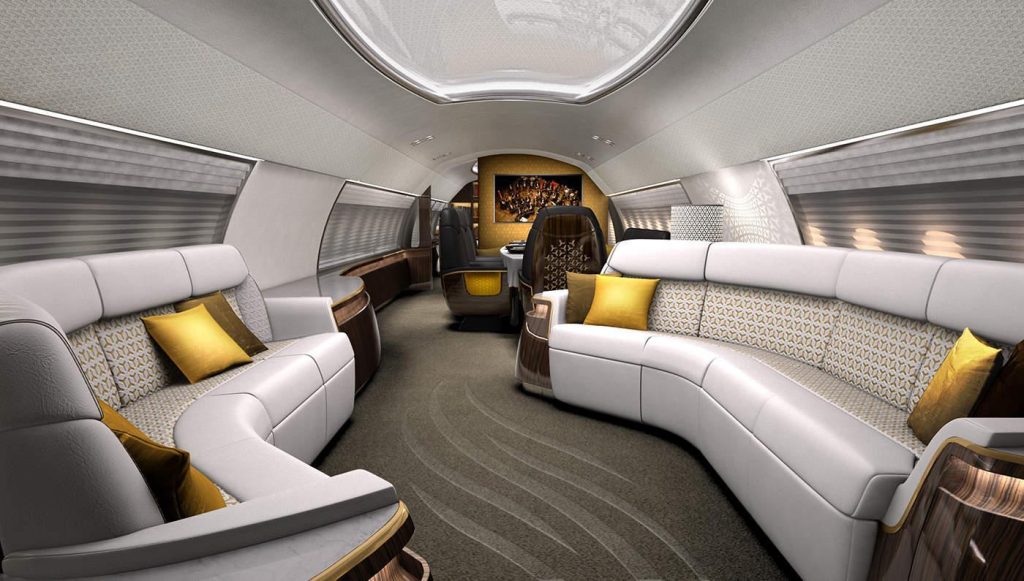
The travel industry has undergone profound changes in recent years, driven by technological advancements, shifting consumer preferences, and global economic shifts. Among these transformations, one of the most noticeable trends is the increasing demand for private jet travel. Once considered a luxury reserved for the elite, private jets have now become an essential part of the travel landscape for both business and leisure travelers. This article delves into the pivotal role that private jets play in the evolving travel industry, exploring their impact on convenience, sustainability, business travel, and the future of personalized travel experiences.
The Rise of Private Jet Travel: A Changing Landscape
Historically, private jets were synonymous with exclusivity and wealth. Only the ultra-rich and high-profile executives could afford the luxury of flying in private aircraft. However, the last decade has seen a dramatic shift. Private jet travel has become more accessible to a wider range of travelers, with many new services and platforms emerging to cater to the growing demand. Today, it’s not just about wealth, it’s about convenience, efficiency, and a personalized travel experience.
In response to this shift, private jet companies have modernized their offerings, providing various models that cater to different needs. The demand for private jet charters has surged, and innovative platforms have sprung up to help individuals and businesses book private jets with ease. Websites and apps that offer on-demand jet services are making it simpler than ever to book a flight on a private plane, offering flexible options, transparent pricing, and easy booking processes.
This rise in popularity can be attributed to a combination of factors, including advancements in technology, a growing preference for personalized services, and a heightened desire for convenience. Private jets offer a seamless travel experience that commercial airlines often can’t match, especially when it comes to time efficiency, privacy, and luxury.
Convenience and Time Efficiency: The Ultimate Travel Advantage
One of the primary reasons why private jets are gaining traction is the undeniable convenience they offer. Unlike commercial airlines, which operate on strict schedules and involve long security lines, boarding times, and other time-consuming procedures, private jets allow travelers to bypass these hassles. With a private jet, passengers can arrive at the airport just minutes before their departure time, eliminating the need for early check-ins and waiting in crowded terminals.
Moreover, private jets offer a very uniqueed flexibility in terms of flight schedules. Travelers can depart from a wide range of airports, including smaller, more convenient regional airports that are not accessible by commercial flights. This not only saves time but also allows passengers to avoid busy hubs, which can be particularly beneficial during peak travel seasons or when visiting remote destinations.
For business travelers, time is often a critical factor. Private jets allow them to maximize productivity by providing a comfortable, quiet space to work while en route. Whether it’s holding virtual meetings, preparing presentations, or simply catching up on emails, private jets create an environment where work can continue uninterrupted. This capability is especially valuable for executives who need to attend multiple meetings in different cities on the same day.
The Shift in Business Travel: Corporate Adaptation to Private Aviation
Business travel has long been one of the most significant drivers of private jet usage. Executives, entrepreneurs, and high-level employees rely on private jets to save time, increase productivity, and conduct business in a more efficient manner. The rise of private jets is directly tied to the growing demand for flexibility and the increasing pressure on businesses to optimize their time and resources.
In the past, flying commercial was seen as the standard for business travel, with most corporate travelers flying first-class to maximize comfort. However, over the years, the benefits of private jet travel for businesses have become more apparent. Private jets provide an unmatched level of flexibility, enabling business professionals to travel on their own terms. No longer bound by commercial flight schedules, they can fly when and where it suits them, often with the ability to change plans at the last minute.
For companies, the use of private jets goes beyond just saving time. It’s also about protecting sensitive business matters. Privacy is a significant consideration for many business leaders who don’t want confidential meetings or negotiations conducted in a public space. The intimate setting of a private jet offers a secure environment for discussing sensitive topics without the concern of eavesdropping.
As businesses increasingly prioritize the well-being of their employees, private jets are also becoming a perk offered to top talent. For those who travel frequently for work, the comfort and convenience of private aviation can be a major draw. This trend is helping companies attract and retain high-performing professionals who value both the flexibility and luxury that private jet travel offers.
Luxury and Personalization: The New Standard in Travel
The evolution of private jet travel has been largely driven by an increasing desire for personalized experiences. Just as luxury hotels and fine dining have raised the bar in terms of customer service, private jet providers are stepping up their game to cater to the modern traveler. Private jets are no longer just about getting from point A to point B; they are about creating a fully customized experience that reflects the unique preferences and needs of each individual passenger.
From customized in-flight catering to personalized cabin layouts, private jet operators offer a wide range of options to ensure that every journey is memorable. Travelers can select the type of aircraft that best suits their needs, whether it’s a small jet for short trips or a larger aircraft with more luxurious amenities for longer flights. In addition, private jet operators offer bespoke services, such as onboard spa treatments, entertainment systems, and even personalized concierge services to assist with travel arrangements at both departure and arrival points.
This level of customization extends beyond the in-flight experience. Private jet travel allows passengers to create their own itineraries, choosing when and where to go without the constraints of commercial flights. This ability to design a journey based on personal preferences is especially appealing to the growing number of wealthy travelers who seek experiences rather than just destinations. For these travelers, a private jet is not just a mode of transportation; it’s a part of the overall luxury experience.
Sustainability and the Future of Private Jets
As the world increasingly focuses on sustainability, the private jet industry is taking steps to reduce its environmental impact. Aviation has long been one of the largest contributors to global carbon emissions, and private jets, which are typically less fuel-efficient than commercial planes, have come under scrutiny for their role in climate change. However, there are several initiatives underway to make private jet travel more sustainable.
Many private jet companies are investing in newer, more fuel-efficient aircraft that reduce carbon emissions. These aircraft use advanced technology and more sustainable materials to improve fuel efficiency and reduce the overall environmental impact of flights. Additionally, some private jet operators are exploring the use of sustainable aviation fuel (SAF), which can significantly lower carbon emissions compared to traditional jet fuel.
Another trend gaining momentum is the development of electric and hybrid-electric jets. While these aircraft are still in the early stages of development, they represent a promising solution to the environmental concerns associated with private aviation. Electric jets could potentially offer a zero-emission alternative for shorter regional flights, helping to reduce the carbon footprint of private air travel.
Moreover, some private jet companies are offering carbon offset programs, allowing travelers to compensate for the emissions generated by their flights by investing in environmental projects such as reforestation or renewable energy initiatives. This growing emphasis on sustainability reflects the broader shift in the travel industry toward more eco-conscious choices, and it demonstrates that the private jet sector is adapting to the evolving expectations of today’s environmentally conscious travelers.
The Impact of COVID-19: Accelerating the Growth of Private Jet Travel
The COVID-19 pandemic had a profound effect on the travel industry, with commercial airlines facing a significant decline in passenger numbers due to travel restrictions, health concerns, and changes in consumer behavior. While the pandemic was devastating for many sectors of the travel industry, it also had an unexpected impact on private jet travel, accelerating its growth and shifting the dynamics of air travel.
During the height of the pandemic, many people began to prioritize safety, privacy, and hygiene when making travel decisions. Commercial air travel, with its crowded airports and confined cabins, became less appealing to those seeking peace of mind. In contrast, private jets offered a safer, more controlled environment, where passengers could avoid crowded terminals and reduce their exposure to potential health risks.
The rise of remote work also contributed to the increased demand for private jets. As businesses embraced flexible work arrangements, more professionals found themselves traveling for work in a way they hadn’t before. The flexibility of private jets allowed these travelers to continue working while flying, making it easier to juggle professional commitments with personal time. Many families also took advantage of the ability to travel safely and privately, using private jets for vacations and family getaways.
The Future of Private Jet Travel: A New Era in Aviation
Looking ahead, the future of private jet travel appears bright. As demand continues to grow, the industry is likely to see further innovations in terms of technology, sustainability, and customer experience. Companies are already exploring new ways to improve the efficiency and accessibility of private jet travel, with digital platforms making it easier than ever to book a private jet, and emerging technologies such as electric and hybrid aircraft promising to revolutionize the way we think about air travel.
The future of private jets will also likely see greater integration with other forms of transportation, such as autonomous vehicles and high-speed rail, creating a seamless travel experience from door to door. Moreover, the trend toward personalization will continue to shape the private aviation industry, with more focus on offering unique and tailor-made experiences to meet the evolving needs and preferences of travelers.
In conclusion, private jets are no longer just a luxury for the wealthy elite. They have become


