


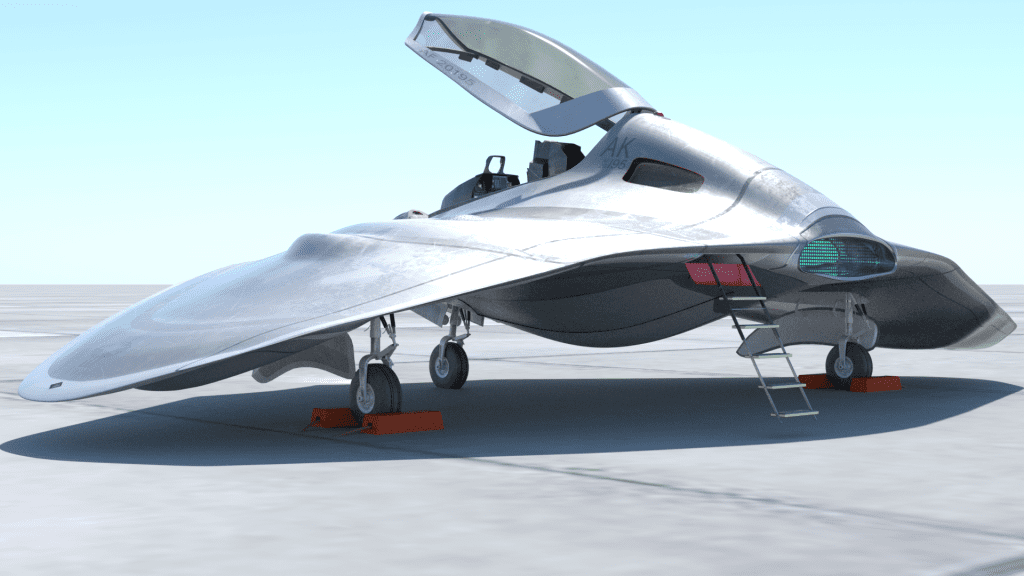
Private aviation is on the brink of a revolutionary transformation. With the rising demand for sustainable, high-performance propulsion systems, traditional jet engines are being reimagined through quantum fuel cell technology. Unlike conventional fuel cells, quantum fuel cells leverage quantum mechanics to achieve unprecedented levels of efficiency, power density, and zero-emission flight capability. This breakthrough has the potential to redefine private jet propulsion, making luxury air travel more eco-friendly, cost-efficient, and technologically advanced than ever before.
What Are Quantum Fuel Cells?
Quantum fuel cells represent the next generation of electrochemical power sources, utilizing quantum tunneling, superposition, and entanglement principles to optimize energy transfer at the atomic level. Unlike traditional hydrogen fuel cells, quantum fuel cells can operate with minimal energy loss, drastically increasing efficiency and performance.
How Quantum Fuel Cells Work
- Quantum Tunneling for Energy Transfer – Electrons move through nano-engineered materials with minimal resistance, reducing energy waste and heat generation.
- High-Density Energy Storage – These fuel cells leverage quantum coherence to maximize energy retention, allowing jets to fly longer distances on smaller power units.
- Self-Regulating Energy Systems – Quantum algorithms optimize energy output in real-time, adapting to altitude, air pressure, and flight conditions.
Advantages of Quantum Fuel Cells in Private Jet Engines
The integration of quantum fuel cells in private aviation introduces groundbreaking benefits that surpass traditional fuel and battery technologies.
- Zero-Emission Air Travel
Quantum fuel cells operate using hydrogen or alternative green fuels, producing only water vapor as a byproduct. This makes private jets completely carbon-neutral, addressing the growing concerns about aviation’s environmental footprint.
- Unmatched Fuel Efficiency
Traditional jet engines rely on combustion, which inherently wastes energy as heat. Quantum fuel cells, however, achieve nearly 100% energy conversion efficiency, significantly reducing fuel consumption.
- Extended Flight Range
One of the biggest challenges of electric aviation is energy storage limitations. Quantum fuel cells enable private jets to fly thousands of miles on a single charge, rivaling the range of conventional fuel-powered aircraft.
- Lightweight & Compact Design
Unlike bulky lithium-ion batteries, quantum fuel cells are lightweight and highly compact, freeing up space for passenger comfort and additional cargo capacity.
- Faster Refueling & Energy Replenishment
Hydrogen-based quantum fuel cells can be refueled within minutes, unlike electric aircraft that require hours of recharging. This allows for rapid turnaround times at airports.
- Enhanced Safety & Reliability
Quantum fuel cells eliminate the risks associated with jet fuel combustion, reducing the chances of engine failure, overheating, or fuel leaks. Their self-regulating quantum circuits ensure consistent power output under extreme conditions.
How Quantum Fuel Cells Will Transform Private Jet Design
The shift from combustion-based propulsion to quantum fuel cell systems will lead to entirely new aircraft architectures optimized for efficiency and sustainability.
- Next-Generation Private Jet Propulsion Systems
Hybrid Quantum-Electric Engines – Combining quantum fuel cells with electric propulsion systems for ultra-efficient thrust.
Hydrogen-Powered Jet Turbines – Replacing conventional turbofan engines with quantum-optimized hydrogen turbines.
- Advanced Aerodynamics & Lightweight Materials
Carbon-Nanotube Airframes – Ultra-light materials that enhance fuel efficiency and flight range.
Quantum-Optimized Wing Designs – Reduced drag and improved lift-to-weight ratios for smoother flights.
- Autonomous AI-Powered Flight Optimization
AI-Driven Fuel Management Systems – Real-time adjustments based on weather, altitude, and passenger load.
Self-Healing Engine Components – Nano-level quantum materials that repair wear and tear autonomously.
Challenges & Limitations of Quantum Fuel Cell Technology
Despite their immense potential, quantum fuel cells face several hurdles before becoming mainstream in private aviation.
- Hydrogen Production & Storage
Limited Green Hydrogen Infrastructure – Large-scale adoption requires global hydrogen refueling networks.
Cryogenic Hydrogen Storage – Quantum fuel cells demand ultra-cold storage solutions, increasing logistical complexity.
- Manufacturing & Cost Barriers
High Production Costs – Quantum materials and nanotechnology remain expensive to produce.
Limited Mass Production – Scaling quantum fuel cells for commercial aviation will require significant R&D investment.
- Regulatory & Certification Challenges
FAA & EASA Approval Processes – Quantum fuel cells must meet stringent aviation safety standards before widespread deployment.
Pilot & Maintenance Training – Aircraft operators will require new expertise to handle quantum propulsion systems.
The Future of Private Aviation with Quantum Fuel Cells
Leading aerospace companies and research institutions are investing heavily in quantum fuel cell development, signaling a rapid transformation of the private jet industry.
Major Players in Quantum Aviation
NASA & Boeing – Researching quantum-powered propulsion systems for next-gen aircraft.
Rolls-Royce & Airbus – Developing hybrid hydrogen-electric jet engines with quantum enhancements.
Tesla & SpaceX Aviation – Exploring quantum energy applications for sustainable air travel.
Projected Timeline for Quantum Fuel Cell Integration
2025-2030 – Initial small-scale testing in experimental aircraft & drones.
2030-2040 – First commercial quantum fuel cell private jets enter the market.
2040+ – Widespread adoption of quantum-powered aviation, replacing fossil fuel engines entirely.
Conclusion
Quantum fuel cells are set to redefine private jet propulsion, delivering zero-emission, high-performance, and ultra-efficient energy solutions for the future of luxury air travel. While challenges remain, ongoing advancements in quantum mechanics, hydrogen storage, and AI-driven energy optimization are bringing this futuristic technology closer to reality. In the coming decades, private jets equipped with quantum fuel cells will fly farther, cleaner, and more efficiently than ever before, ushering in a new era of sustainable aviation.


