


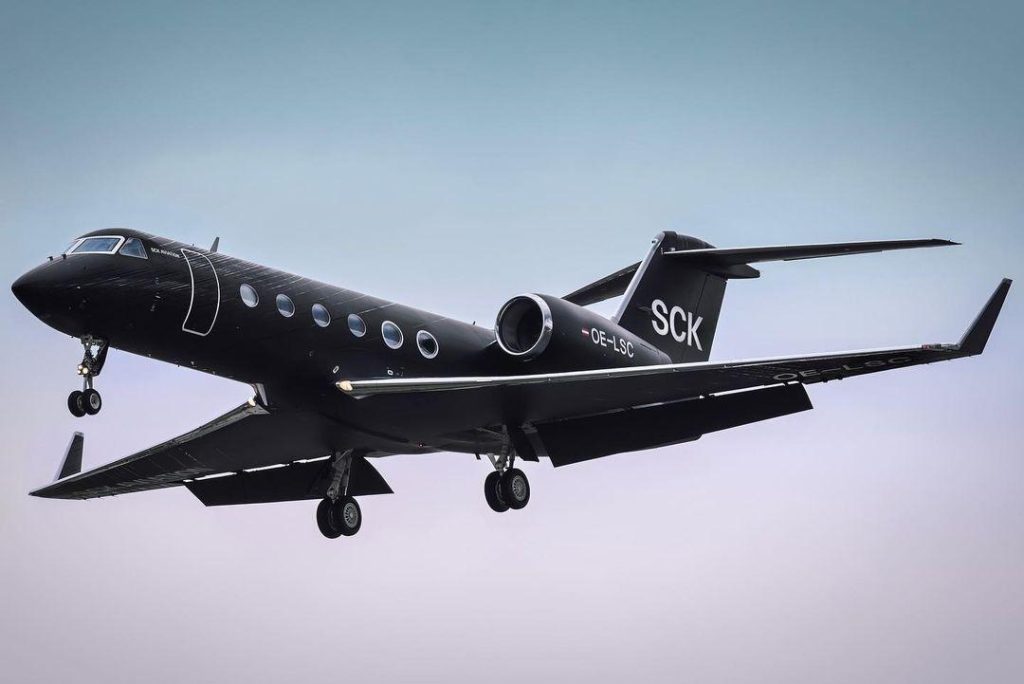
In the world of private aviation, the integration of satellite technology has transformed the way private jets operate, offering an a very uniqueed level of in-flight connectivity, safety, and communication. While private jet travel has long been synonymous with luxury, comfort, and efficiency, the introduction of satellite technology has taken it to new heights. Today, private jet owners and passengers can enjoy seamless internet access, real-time communication with the ground, and enhanced safety features, all thanks to advancements in satellite technology.
In this article, we will explore how satellite technology has revolutionized private jets, highlighting its various applications and benefits. From satellite-based internet to global tracking systems and real-time communication, satellite technology is no longer a luxury; it’s becoming a must-have feature for the modern private jet. We will also delve into the key satellite systems used in aviation, the challenges faced by private jet owners and operators, and the future of satellite technology in this rapidly evolving industry.
What Is Satellite Technology in Private Jets?
At its core, satellite technology in private jets refers to the use of satellite communication systems to enhance various aspects of aviation, such as connectivity, navigation, and safety. These systems rely on satellites orbiting the Earth to provide high-speed internet, voice communication, and advanced tracking capabilities to private jets flying anywhere in the world.
The main satellite technologies used in private jets include Inmarsat, Iridium, and Viasat, which operate through geostationary and low-Earth orbit satellites. These systems enable global coverage, meaning that private jet passengers can stay connected even when flying over remote or oceanside regions where traditional ground-based communication methods are unavailable.
1. Satellite-Based In-Flight Connectivity
One of the most noticeable advancements in private jet technology is the ability to access high-speed internet during flights. In the past, private jet passengers had to rely on limited and slow air-to-ground systems for communication and internet browsing. However, with the advent of satellite-based connectivity, private jet owners and passengers can now enjoy broadband-like speeds no matter where they fly.
There are two primary types of satellite-based connectivity used in private aviation: L-band and Ku-band.
- L-band: This satellite system uses low-frequency bands to deliver reliable connectivity, especially in remote areas or over oceans where traditional communication methods may be unavailable. Inmarsat, one of the leading providers of satellite connectivity in aviation, offers L-band services that ensure a stable internet connection during flights.
- Ku-band: This is a higher frequency band that offers faster data speeds and is typically used for high-speed internet connections on long-haul flights. Viasat is a notable provider in this category, offering high-speed broadband internet that rivals the speed and reliability of ground-based connections.
With these satellite systems, private jet passengers can stream video, access corporate files, send emails, and stay connected with loved ones during flights. The ability to maintain connectivity in the sky has become a game-changer for business travelers and individuals who require constant communication while in the air.
2. Real-Time Communication and Tracking
Another essential feature provided by satellite technology is real-time communication and tracking. This includes the ability for pilots to communicate with air traffic control and operations teams, as well as for passengers and crew to stay connected with ground-based teams. Satellite communication systems allow for two-way communication, which means that pilots can communicate not just with air traffic controllers but also with other aircraft and ground stations.
For private jet owners, real-time tracking is a crucial tool that enhances the safety and security of flights. By using satellite tracking systems, owners can track the exact location of their aircraft, monitor fuel levels, and receive updates about the weather conditions, all in real-time. Some satellite systems even allow for automatic position reporting to ensure that the aircraft is always visible on radar, reducing the risk of losing communication or navigation signals.
Benefits of Satellite Technology in Private Jets
The integration of satellite technology in private jets brings numerous benefits that go beyond just connectivity. These advantages range from enhanced safety and efficiency to luxury and convenience, making satellite systems a key component of modern private aviation.
1. Enhanced Passenger Experience
One of the most immediate benefits of satellite technology in private jets is the enhanced passenger experience. Business travelers, entrepreneurs, and high-net-worth individuals who use private jets expect to have the same level of connectivity and entertainment in the air that they enjoy on the ground. With satellite-based systems, passengers can access high-speed internet, stream their favorite shows, make video calls, and browse the web without interruption.
This level of connectivity makes long flights more enjoyable and productive. For instance, passengers can attend virtual meetings, work on presentations, or review important documents while in the air. As private jet travel becomes more focused on providing a seamless, luxurious experience, satellite technology has become an essential component of the modern jet setting lifestyle.
2. Increased Safety and Security
Safety is a primary concern for any form of aviation, and satellite technology plays a crucial role in enhancing the safety of private jet flights. Satellite systems enable real-time monitoring of aircraft systems, ensuring that potential issues are detected early and addressed immediately. This includes the ability to track the aircraft’s exact location, speed, and altitude at all times.
In addition, satellite-based weather updates allow pilots to access up-to-the-minute information about weather conditions, such as turbulence, storms, and flight hazards. This helps pilots plan the safest and most efficient flight paths, reducing the risks associated with flying in adverse conditions.
Furthermore, satellite systems also provide emergency communication capabilities. In the event of a technical issue or emergency, private jet pilots can communicate with ground-based support teams, ensuring that help is on the way if needed.
3. Streamlined Operations and Efficiency
For private jet operators and owners, satellite technology streamlines flight operations and enhances overall efficiency. Through satellite-based tracking, operators can monitor aircraft movements and anticipate potential delays, allowing for smoother flight planning and better coordination with airports.
For example, satellite-based systems provide real-time information about the availability of airspace, air traffic control conditions, and even airport congestion. This helps private jet operators avoid unnecessary delays and make adjustments to flight plans in real time, ensuring that passengers arrive at their destination on time.
Additionally, satellite technology can improve the overall fuel management process. By providing real-time data on fuel consumption and aircraft performance, satellite systems help operators optimize fuel usage and reduce operational costs.
Challenges of Implementing Satellite Technology in Private Jets
Despite the numerous advantages, there are some challenges associated with implementing satellite technology in private jets. These challenges include cost, installation, and maintenance.
1. High Initial Costs
The installation of satellite communication systems in private jets can be expensive. The cost of equipping a private jet with satellite technology can range from tens of thousands to hundreds of thousands of dollars, depending on the type of system and the aircraft’s requirements. In addition to installation costs, there are ongoing operational expenses related to satellite service subscriptions and data usage.
2. Maintenance and Upkeep
Once installed, satellite systems require regular maintenance to ensure optimal performance. This includes periodic software updates, hardware inspections, and system checks. While many satellite providers offer customer support and technical assistance, maintaining these systems can still be a significant ongoing expense for jet owners.
3. Limited Bandwidth in Remote Areas
Although satellite technology offers global coverage, some areas, particularly those at high latitudes or over oceans, may experience limited bandwidth. This can lead to slower internet speeds or occasional connectivity interruptions. As a result, passengers may experience degraded service when flying over remote regions.
The Future of Satellite Technology in Private Jets
Looking forward, the future of satellite technology in private jets appears bright. As space technology continues to evolve, satellite communication systems are expected to become even more advanced, offering faster speeds, higher bandwidth, and greater reliability.
New technologies, such as low-Earth orbit (LEO) satellites, are expected to revolutionize the industry. Companies like SpaceX’s Starlink and OneWeb are developing networks of LEO satellites designed to provide ultra-fast, low-latency internet to aircraft in flight. These new systems are expected to drastically improve the quality of in-flight connectivity, especially over remote regions where traditional geostationary satellites struggle to maintain a stable signal.
Additionally, improved data security and advanced cybersecurity protocols will become a greater focus in the coming years, as the reliance on satellite technology for communication and data transfer increases. Jet operators and owners will need to stay vigilant about protecting sensitive information and ensuring secure communication during flights.
Conclusion
Satellite technology has revolutionized private aviation by enhancing connectivity, improving safety, and increasing operational efficiency. Today, private jet owners and passengers can enjoy high-speed internet, real-time communication, and advanced tracking capabilities while in the air, all thanks to cutting-edge satellite systems. As technology continues to evolve, the role of satellites in private jets will only continue to grow, providing more benefits and capabilities for those flying in luxury.
For private jet owners and operators, staying ahead of the curve and adopting the latest satellite technologies is crucial for maintaining a competitive edge in the industry. As we look to the future, satellite technology will undoubtedly play an even more integral role in shaping the way private jets operate, communicate, and deliver exceptional experiences to their passengers.


