


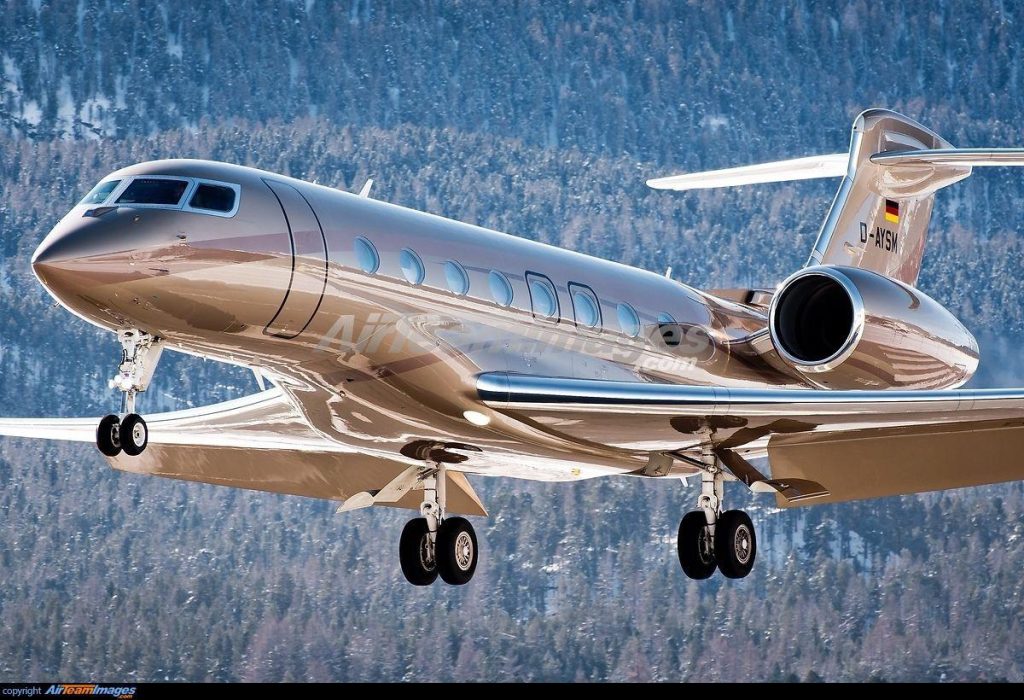
Private jets have long been symbols of luxury, offering comfort, speed, and exclusivity to those who can afford them. However, as the world grapples with climate change and its environmental consequences, the aviation industry, especially private aviation, has faced growing criticism for its significant carbon footprint. Private jets consume more fuel per mile than commercial airlines, making them a major contributor to greenhouse gas emissions. This has led to an increasing demand for more sustainable travel options in the private aviation sector. Fortunately, technology is playing a crucial role in transforming private jets and making them more eco-friendly. From alternative fuels and advanced aircraft designs to cutting-edge digital tools, technological innovations are reshaping the way private aviation operates, offering solutions that not only reduce emissions but also improve fuel efficiency and overall environmental impact. This article explores the various ways in which technology is helping private jets become more sustainable, and how these innovations are driving the industry toward a greener future.
The Pressure to Innovate: Environmental Concerns in Private Aviation
Private aviation has always been an attractive option for individuals seeking comfort and convenience. However, its environmental impact has been the subject of increasing scrutiny in recent years. While private jets represent only a small portion of the total number of flights worldwide, they account for a disproportionate share of global aviation emissions. According to studies, private jets emit up to 10 times more carbon dioxide per passenger compared to commercial flights.
As the climate crisis intensifies and public awareness grows, individuals, businesses, and governments are demanding more environmentally responsible practices across all industries, including aviation. The growing concern over the environmental impact of private aviation has led to heightened pressure on private jet companies to adopt sustainable technologies and practices.
In response to this pressure, the private aviation industry is embracing innovative technologies that can reduce carbon emissions, improve fuel efficiency, and minimize the environmental footprint of flying. These technologies are transforming the way private jets operate, enabling the industry to offer greener alternatives without compromising the luxury and convenience that define private aviation.
Sustainable Aviation Fuel (SAF): A Major Technological Breakthrough
One of the most promising technological advancements in the drive for greener private aviation is the development of Sustainable Aviation Fuel (SAF). SAF is a biofuel made from renewable sources such as algae, agricultural waste, and even carbon captured from the air. SAF offers a significant advantage over traditional jet fuel, as it can reduce carbon emissions by up to 80% when compared to conventional fossil fuels.
Private jet companies are increasingly adopting SAF as part of their sustainability initiatives. SAF can be used in existing jet engines without requiring major modifications, making it an attractive option for reducing emissions in the short term. Leading private aviation companies, such as NetJets and VistaJet, have already begun using SAF in their fleets, demonstrating their commitment to reducing their environmental impact.
The use of SAF is particularly important because it helps to decarbonize aviation without requiring a complete overhaul of aircraft infrastructure. SAF is compatible with current aircraft models, meaning that private jet companies can reduce their carbon footprint without investing in entirely new fleets. However, SAF’s widespread adoption is still challenged by limited production capacity and higher costs compared to conventional jet fuel. Nonetheless, private aviation companies are investing in SAF production and collaborating with biofuel producers to scale up production and reduce costs over time.
Electrification and Hybrid Aircraft: The Future of Green Aviation
While SAF provides a short-term solution for reducing emissions, the long-term future of private aviation lies in electrification. Electric aircraft represent a major leap forward in terms of sustainability, as they produce zero emissions during flight. Although fully electric private jets are still in the early stages of development, several companies are already making significant strides in this area.
Electric aircraft are ideal for short-haul flights, where battery technology is more feasible. These aircraft use electric propulsion systems powered by batteries, eliminating the need for conventional jet fuel. The biggest challenge in the development of electric private jets lies in improving battery energy density, which currently limits the range and performance of electric aircraft. However, recent advancements in battery technology, including lighter and more efficient batteries, are improving the viability of electric jets.
Several companies, such as Vertical Aerospace and Lilium, are developing electric vertical takeoff and landing (eVTOL) aircraft, which are expected to revolutionize short-haul private aviation. These aircraft rely on electric motors and battery power, making them an environmentally friendly alternative to traditional private jets. The eVTOLs are designed to take off and land vertically, similar to helicopters, and are ideal for urban air mobility. With the potential for reduced noise pollution and zero emissions, these electric aircraft could offer a sustainable solution for private aviation in the near future.
In addition to fully electric aircraft, hybrid-electric aircraft are also emerging as a more practical solution for reducing emissions in the private aviation sector. Hybrid-electric jets combine conventional jet engines with electric propulsion, enabling them to reduce fuel consumption and carbon emissions during flight. These aircraft are expected to be particularly useful for long-haul flights, where fully electric solutions may not yet be viable. Hybrid aircraft represent a bridge between traditional private jets and fully electric models, offering a more sustainable alternative in the interim.
Advanced Aircraft Design: Aerodynamics and Fuel Efficiency
Another area where technology is making a significant impact on the sustainability of private jets is aircraft design. Modern private jets are being designed with advanced materials, aerodynamics, and fuel-efficient technologies that reduce their overall environmental impact. These innovations improve the efficiency of private jets, helping to lower fuel consumption and emissions during flight.
For example, many newer private jets are being constructed with lightweight composite materials that reduce the overall weight of the aircraft. Lighter aircraft require less fuel to operate, leading to lower carbon emissions. Additionally, advancements in aerodynamics are helping to improve the fuel efficiency of private jets by reducing drag and optimizing airflow. These design improvements allow private jets to fly more efficiently, reducing fuel consumption and emissions.
Engine technology has also played a critical role in improving fuel efficiency. Modern jet engines are more fuel-efficient and produce fewer emissions compared to older models. Private jet manufacturers are continuously developing new engine technologies that are designed to reduce fuel consumption and emissions. For example, some private jets now feature engines that incorporate advanced turbofan technology, which improves fuel efficiency and reduces nitrogen oxide emissions.
Digital Tools and Artificial Intelligence: Optimizing Flight Efficiency
In addition to physical technologies like SAF and electric propulsion, digital tools and artificial intelligence (AI) are also playing a role in making private jets more sustainable. Advanced software applications and AI-powered systems are helping private jet companies optimize flight planning, reduce fuel consumption, and minimize emissions.
One example of how digital tools are improving sustainability is the use of flight optimization software. These tools analyze real-time data, such as weather conditions, air traffic, and aircraft performance, to identify the most efficient flight routes. By optimizing flight plans, private jets can minimize fuel consumption and reduce their carbon footprint. Additionally, flight optimization software can help private jet operators avoid delays and minimize unnecessary fuel consumption during layovers or holding patterns.
AI-powered systems are also being used to improve aircraft maintenance and performance monitoring. By using predictive maintenance technologies, private jet companies can identify potential issues with aircraft before they become serious problems. This allows for more efficient use of aircraft and reduces the need for unnecessary repairs or replacements, ultimately saving fuel and reducing emissions.
Another area where digital tools are helping private jets go green is in the management of carbon offset programs. Many private jet companies now offer carbon offset programs that allow passengers to offset the emissions generated by their flights. These programs support projects that reduce or capture greenhouse gas emissions, such as reforestation and renewable energy initiatives. Digital platforms make it easier for passengers to calculate their carbon footprint and invest in offset projects, helping to neutralize the environmental impact of private aviation.
The Role of the Luxury Market in Driving Sustainability
As technology continues to drive sustainability in the private aviation sector, the role of the luxury market cannot be overlooked. High-net-worth individuals who typically fly private jets are increasingly conscious of their environmental impact and are demanding more sustainable travel options. This shift in consumer behavior is encouraging private jet companies to invest in green technologies and adopt more eco-friendly practices.
Many private jet clients are willing to pay a premium for sustainability, whether that means flying on an aircraft powered by SAF or opting for a fully electric or hybrid-electric jet. As the luxury market becomes more eco-conscious, private jet companies are responding by offering greener options to attract environmentally-minded clients.
Furthermore, the growing demand for sustainable luxury travel is driving innovation in the private aviation sector. As private jet companies compete for clients, they are incorporating more advanced technologies into their fleets to offer the most sustainable and efficient travel options. This competitive landscape is accelerating the development and adoption of new technologies, helping to make private jets more sustainable.
The Road Ahead: A Greener Future for Private Aviation
The private jet industry is undergoing a transformation, with technology playing a central role in making aviation more sustainable. From the use of Sustainable Aviation Fuel (SAF) to the development of electric and hybrid aircraft, private jet companies are embracing technological innovations that reduce emissions, improve fuel efficiency, and minimize environmental impact. These advancements are helping to drive the industry toward a greener future, where luxury travel and sustainability go hand in hand.
While challenges remain, particularly in terms of scaling up the production of SAF and developing fully electric aircraft, the role of technology in making private jets more sustainable is undeniable. As advancements continue and consumer demand for greener travel options grows, the private aviation sector is poised to play a leading role in the transition to a more sustainable future.
Ultimately, the integration of green technologies and digital solutions into private aviation is not only helping to reduce the industry’s environmental footprint but also setting the stage for a new era of luxury travel. By leveraging technology, private jet companies are not only meeting the needs of today’s eco-conscious consumers but also paving the way for a cleaner, more sustainable tomorrow.


