


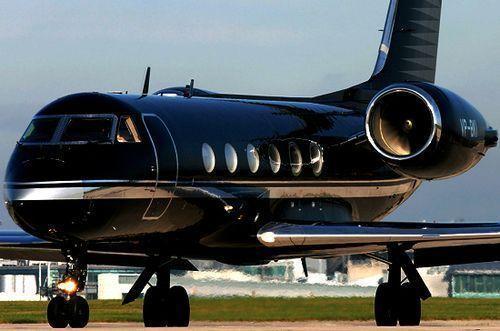
When it comes to air travel, safety is always the top priority. For private jet flights, this commitment to safety is even more paramount. While private jet travel offers luxury, flexibility, and convenience, it is important to remember that the safety protocols behind every flight are equally sophisticated and rigorous. Behind every smooth, seamless flight, there are a host of safety measures and protocols that guarantee the well-being of passengers and crew members alike. In this article, we’ll explore the extensive safety protocols that private jet operators follow, covering everything from pre-flight checks to in-flight safety measures and emergency procedures.
Private jets are often perceived as the summery of luxury and exclusivity, but they are also subject to some of the most stringent safety standards in the aviation industry. These safety protocols are established and enforced by national aviation authorities, private jet operators, and aircraft manufacturers to ensure that every private jet flight meets the highest standards of safety. Understanding these protocols can provide you with peace of mind, knowing that your safety is always the primary concern of everyone involved in your private jet journey.
- Aircraft Maintenance and Inspections
Before every private jet flight, the aircraft undergoes a thorough inspection and maintenance process to ensure that it is in optimal condition. Aircraft maintenance is one of the most critical components of aviation safety, and private jet operators go above and beyond the minimum requirements to ensure that their aircraft are safe and reliable.
- Routine Inspections: Private jets are subject to regular inspections and maintenance checks to identify and address potential issues before they become serious problems. These inspections are typically performed in intervals, such as daily, weekly, or monthly checks, and they cover everything from the aircraft’s engines and avionics to its interior systems. A typical pre-flight inspection might involve a visual inspection of the aircraft’s structure, control surfaces, and emergency equipment, as well as a review of the aircraft’s technical logs to ensure compliance with maintenance schedules.
- Scheduled Maintenance: In addition to routine inspections, private jets are also required to undergo scheduled maintenance in accordance with manufacturer recommendations and regulatory guidelines. These maintenance checks typically occur at specific intervals, such as every 100 hours of flight time or annually, and are designed to identify potential issues that could impact the aircraft’s safety or performance. Scheduled maintenance might include checks of the aircraft’s engine, fuel system, electrical systems, and structural integrity.
- Certified Technicians: All maintenance and inspections are carried out by certified aviation maintenance technicians (AMTs) who are trained to handle the specific needs of private jets. These professionals are highly skilled in diagnosing and repairing any mechanical issues, ensuring that the aircraft is always in top condition.
The rigorous maintenance and inspection procedures that private jets undergo are designed to catch any issues early, allowing operators to address them proactively before they become a threat to safety.
- Pilot Training and Qualifications
Pilots who operate private jets undergo an extensive amount of training and certification to ensure they can handle the unique challenges of flying a private aircraft. The qualifications and ongoing training of private jet pilots are critical to ensuring the safety of every flight.
- Licensing and Certification: Private jet pilots must hold an Airline Transport Pilot (ATP) license, the highest level of certification in aviation. This license requires thousands of hours of flight experience, including both commercial and private jet flight time. In addition to the ATP license, pilots must also obtain type ratings for the specific aircraft they will be flying, which involves specialized training for each type of aircraft.
- Ongoing Training: To maintain their qualifications and stay current with the latest aviation safety standards, private jet pilots undergo regular recurrent training. This includes simulator training, where pilots practice emergency scenarios and complex flight maneuvers to ensure that they are prepared for any situation that might arise during the flight. Pilots are also trained in handling adverse weather conditions, such as turbulence, thunderstorms, and icing, which can pose challenges during the flight.
- Crew Coordination and Communication: Private jet flights often involve a small but highly trained crew. In addition to the pilot, there may be a co-pilot and flight attendants who are trained in both customer service and safety protocols. Effective communication and coordination between the crew members are essential for maintaining safety during the flight. This includes communication about weather conditions, flight adjustments, and emergency procedures.
The extensive training and experience of private jet pilots ensure that they are fully capable of managing any situation that arises during the flight, from routine operations to emergencies.
- In-Flight Safety Measures
Once the private jet is airborne, the safety of passengers and crew becomes the primary focus. Private jet operators implement a range of in-flight safety measures to ensure that passengers are secure during their journey.
- Seatbelts and Restraints: Just like in commercial aviation, private jet passengers are required to wear seatbelts during takeoff, landing, and whenever the seatbelt sign is illuminated. This is essential for preventing injuries in the event of turbulence or sudden changes in altitude. The seatbelts on private jets are often more comfortable and may include additional features, such as padded seatbelt covers or larger buckles, to ensure passenger comfort during the flight.
- Emergency Equipment: Private jets are equipped with a variety of emergency equipment to ensure passenger safety in case of an emergency. This includes oxygen masks, life vests, fire extinguishers, emergency exits, and first aid kits. These items are strategically located throughout the aircraft and are regularly inspected to ensure they are in working order. Flight attendants are trained in the proper use of this equipment and are ready to assist passengers in the event of an emergency.
- Turbulence Management: While turbulence is a common occurrence in aviation, private jet pilots are well-trained to manage it safely. Pilots are able to adjust the altitude, speed, and route of the aircraft to minimize the effects of turbulence. Passengers are also informed about the expected duration of any turbulence, and the flight crew will advise when it’s safe to move around the cabin or unfasten seatbelts.
Private jet operators take every precaution to ensure that passengers remain safe and secure during the flight, with a focus on managing potential in-flight hazards such as turbulence and other unpredictable conditions.
- Emergency Procedures and Protocols
Despite all the precautions taken before and during the flight, emergencies can still occur. In such cases, private jet crews are trained to follow specific emergency protocols to ensure the safety of everyone onboard.
- Diversion Procedures: In the event of a medical emergency, severe weather conditions, or other safety concerns, private jet pilots may need to divert the aircraft to the nearest suitable airport. Diversion procedures are established to ensure that passengers receive the necessary medical attention or to avoid dangerous conditions. Pilots are trained to make quick and informed decisions about diversions, always prioritizing safety.
- Emergency Landings: While emergency landings are rare, pilots are extensively trained to perform a safe landing in the event of an emergency. Whether it’s due to a mechanical failure or an unforeseen circumstance, pilots are prepared to land the aircraft safely at the nearest airport with the necessary resources. The flight crew works closely with air traffic control and airport authorities to ensure that the landing is executed safely and efficiently.
- Passenger Evacuation: In the unlikely event that an evacuation becomes necessary, flight attendants are trained in emergency evacuation procedures. This includes ensuring that passengers are able to exit the aircraft safely and quickly, as well as helping them to use emergency equipment, such as life vests or flotation devices. Passengers are briefed on the emergency exits and evacuation routes before takeoff, so they are familiar with the procedures in case of an emergency.
Private jet crews are thoroughly trained in emergency protocols to ensure that they can respond swiftly and effectively to any crisis, minimizing risk and protecting passengers.
- Regulatory Compliance and Oversight
Private jet operators are required to comply with a range of safety regulations established by aviation authorities, such as the Federal Aviation Administration (FAA) in the United States or the European Union Aviation Safety Agency (EASA) in Europe. These regulations cover everything from pilot qualifications and aircraft maintenance to safety equipment and emergency procedures.
- Regulatory Inspections: In addition to regular maintenance and inspections by the operator, private jets are also subject to periodic inspections by regulatory authorities. These inspections ensure that the aircraft meets all safety standards and that operators are in compliance with relevant aviation laws. If any safety concerns are identified, the aircraft must be grounded until the necessary repairs or updates are made.
- Safety Management Systems: Private jet operators are required to implement safety management systems (SMS), which are designed to identify and mitigate potential risks. SMS involves continuous monitoring, reporting, and analysis of safety data, allowing operators to address any safety issues proactively.
The rigorous regulatory oversight ensures that private jet operators maintain the highest levels of safety and remain compliant with all applicable aviation standards.
- Continuous Improvement and Safety Culture
Safety in private jet travel is not static, it is a dynamic process that requires continuous improvement. Private jet operators work diligently to improve safety protocols through regular training, updated technologies, and a commitment to a safety-first culture.
- Safety Audits: Private jet operators undergo regular safety audits, either internally or through third-party organizations, to assess the effectiveness of their safety protocols and procedures. These audits help identify areas for improvement and ensure that the operator is adhering to industry best practices.
- Technology and Innovations: Advancements in aviation technology, such as enhanced navigation systems, collision avoidance systems, and advanced weather radar, continue to improve safety in private jet travel. Private jet operators invest in the latest technology to enhance situational awareness and minimize risks.
Private jet operators foster a culture of safety that permeates every aspect of their operations, from the training of pilots to the implementation of new technologies. This culture ensures that safety is always a top priority and that improvements are continually made to enhance the safety of every flight.
Conclusion
The safety protocols behind every private jet flight are both comprehensive and rigorous, ensuring that passengers enjoy a secure and worry-free journey. From routine maintenance and pre-flight inspections to pilot qualifications, in-flight safety measures, and emergency procedures, every aspect of a private jet flight is designed with safety in mind. Private jet operators adhere to the highest safety standards, incorporating advanced technology, regulatory compliance, and continuous improvements to ensure the well-being of everyone onboard. When you charter a private jet, you can rest assured that safety is the number one priority, making your flight not only luxurious but also secure.


