


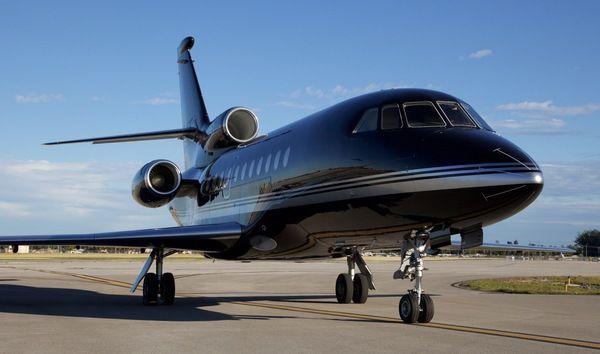
Flying a private jet is an exciting and prestigious career that combines technical expertise, responsibility, and a passion for aviation. Private jet pilots are tasked with operating some of the most advanced and luxurious aircraft in the world, ensuring the safety and comfort of passengers while adhering to strict regulations. However, flying a private jet is not an easy task, it requires a combination of skills, knowledge, and qualifications. In this comprehensive guide, we will explore the essential skills and qualifications needed to become a private jet pilot, covering everything from foundational flight training to specialized certifications.
Understanding the Role of a Private Jet Pilot
Before diving into the skills and qualifications, it’s essential to understand the role of a private jet pilot. Unlike commercial airline pilots, private jet pilots are responsible for flying private aircraft for individuals, corporations, or charter companies. They can operate a wide range of aircraft, from small jets to larger, more complex models. The primary duties of a private jet pilot include:
- Pre-Flight Planning and Preparation: Ensuring that the aircraft is ready for flight, including checking fuel levels, weather conditions, and maintenance reports.
- Operating the Aircraft: Piloting the jet during takeoff, cruising, and landing while navigating through airspace and responding to air traffic control (ATC).
- Passenger Safety and Comfort: Ensuring the safety of passengers throughout the flight and providing them with a smooth, comfortable experience.
- Adhering to Regulations: Complying with aviation regulations, flight logs, and other legal requirements to maintain safety standards.
Private jet pilots must have a thorough understanding of aircraft systems, weather patterns, navigation, and flight regulations. They must also be able to handle unexpected situations and make critical decisions under pressure. With these responsibilities in mind, let’s take a closer look at the key skills and qualifications necessary to fly a private jet.
Basic Qualifications for Becoming a Private Jet Pilot
The first step to becoming a private jet pilot is obtaining the foundational qualifications required by aviation authorities such as the Federal Aviation Administration (FAA) in the U.S. or the European Union Aviation Safety Agency (EASA) in Europe. These qualifications lay the groundwork for further training and certification. Here are the basic qualifications that every private jet pilot must have:
- Age Requirement: Aspiring pilots must be at least 17 years old to apply for a Private Pilot Certificate and at least 18 years old to obtain a Commercial Pilot Certificate. The age requirement varies slightly depending on the country and the type of certification.
- Language Proficiency: Since English is the universal language of aviation, private jet pilots must be able to communicate effectively in English, both orally and in writing.
- Medical Certification: All pilots must undergo a medical examination by an authorized aviation medical examiner. The medical certificate ensures that the pilot is physically and mentally fit to operate an aircraft safely. For private jet pilots, a second-class medical certificate is typically required.
- Educational Background: While a formal college education is not mandatory, most private jet pilots have at least a high school diploma or equivalent. However, many pilots pursue college degrees in aviation, aerospace engineering, or other related fields to enhance their knowledge and career prospects.
- Private Pilot Certificate (PPL)
The journey to becoming a private jet pilot begins with obtaining a Private Pilot Certificate (PPL), which is the foundation of a pilot’s career. A PPL allows you to fly single-engine aircraft for personal use, but it does not permit you to fly for compensation or hire. To obtain a PPL, you must meet the following requirements:
- Enroll in a Flight School: Choose an accredited flight school that offers training for a Private Pilot Certificate. Flight schools provide a combination of ground school (classroom instruction) and flight training (hands-on flying experience).
- Complete Ground School: Ground school covers the theoretical aspects of aviation, including air traffic control procedures, aircraft systems, weather patterns, and flight regulations. This knowledge is essential for understanding how to operate an aircraft safely and efficiently.
- Log Flight Hours: To obtain a PPL, you must log a minimum of 40 hours of flight time, which includes both dual instruction (with an instructor) and solo flights. The exact number of hours may vary depending on the country and flight school.
- Pass the Written Knowledge Test: The written exam tests your understanding of aviation theory, including topics like navigation, weather, and regulations. It is an essential part of the certification process.
- Complete the Check Ride: The check ride is a practical test in which an examiner evaluates your ability to safely operate an aircraft. You will be required to demonstrate your flight skills, including takeoffs, landings, maneuvers, and emergency procedures.
After earning your PPL, you will be qualified to fly small aircraft for personal purposes. However, to fly a private jet, you will need to obtain more advanced certifications and ratings.
- Accumulate Flight Hours and Experience
To become a private jet pilot, you must gain extensive flying experience. This experience is essential for obtaining higher-level certifications and building the skills needed to fly complex aircraft. Private jet pilots often accumulate flight hours by working as flight instructors, flying small planes for general aviation, or working with charter companies. The more flight hours you log, the more proficient you will become in handling various flight situations.
For instance, the Federal Aviation Administration (FAA) requires pilots to log a minimum of 250 hours of flight time before they can apply for a Commercial Pilot Certificate (CPL). These hours should include time as the pilot-in-command (PIC), as well as flight time in different conditions and aircraft.
- Instrument Rating (IR)
An Instrument Rating (IR) is a crucial qualification for private jet pilots. This rating allows you to fly in low-visibility conditions, such as fog, rain, or clouds, using only the aircraft’s instruments for navigation. Most private jet pilots are required to have an instrument rating, as it expands their ability to operate in various weather conditions. Here’s what you need to know about obtaining an IR:
- Complete IR Training: The training for an instrument rating builds on the skills learned during your private pilot training. You will learn how to use instruments such as the altimeter, compass, and artificial horizon to navigate in low-visibility conditions.
- Pass the Written Exam: After completing your training, you will need to pass a written knowledge test that covers instrument flight rules (IFR), navigation, and emergency procedures.
- Flight Training: Instrument flight training focuses on flying solely by reference to instruments. You will practice procedures like flying in poor weather, performing instrument approaches, and responding to emergencies.
- Pass the Check Ride: The check ride for an instrument rating evaluates your ability to safely fly using instruments alone. The examiner will assess your performance in various simulated scenarios, including low-visibility conditions.
An instrument rating is essential for private jet pilots, as it enables them to fly in a wider range of weather conditions and ensures a higher level of safety.
- Commercial Pilot Certificate (CPL)
To be eligible for paid flying jobs, including operating private jets, you must obtain a Commercial Pilot Certificate (CPL). A CPL allows you to fly for compensation or hire and is a requirement for pilots who wish to operate larger, more complex aircraft. Here’s how to earn your CPL:
- Complete Commercial Pilot Training: The training for a CPL includes both ground school and flight instruction. You will learn advanced flight maneuvers, multi-engine operations, and commercial aviation regulations.
- Log Flight Hours: In addition to the flight hours required for a PPL, you will need to log a minimum of 250 hours of flight time for a CPL. This should include specific hours as pilot-in-command (PIC) and additional hours in multi-engine aircraft.
- Pass the Written Exam: The written exam for a CPL covers advanced topics such as navigation, airspace regulations, and aircraft performance. It is a more in-depth test than the PPL written exam.
- Complete the Check Ride: The check ride for a CPL evaluates your ability to safely operate more complex aircraft and handle various flight scenarios. You will be required to demonstrate advanced maneuvers, including multi-engine operations and emergency procedures.
The CPL is essential for flying private jets, as it qualifies you to be compensated for your services and operate larger, more complex aircraft.
- Type Ratings for Private Jets
Private jet pilots are required to have a type rating for each specific jet model they fly. A type rating is a certification that ensures you are qualified to operate a particular aircraft model. To earn a type rating, you must:
- Complete Type Rating Training: Type rating training involves both classroom instruction and flight training. You will learn the specific systems, performance characteristics, and emergency procedures for the jet model you are flying.
- Log Flight Hours: Type rating training includes flight hours in the specific aircraft, where you will gain hands-on experience operating the private jet under various conditions.
- Pass the Check Ride: After completing type rating training, you will need to pass a check ride in which an examiner evaluates your ability to safely operate the specific jet model.
Type ratings are essential for private jet pilots, as they ensure that you are qualified to operate a specific jet model safely and efficiently.
- Advanced Skills Required for Private Jet Pilots
In addition to the qualifications and certifications mentioned above, private jet pilots must possess a variety of advanced skills to ensure safe and effective flight operations. These skills include:
- Situational Awareness: Private jet pilots must be aware of their surroundings at all times, including weather conditions, air traffic, and other factors that could impact the flight.
- Communication Skills: Effective communication with air traffic control, passengers, and other team members is critical for a private jet pilot. You must be able to communicate clearly and quickly in high-pressure situations.
- Problem-Solving and Decision-Making: Private jet pilots must be able to think on their feet and make quick decisions in emergency situations. This includes managing unforeseen mechanical issues or
weather-related challenges. 4. Technical Proficiency: A deep understanding of aircraft systems, instruments, and performance is essential for operating private jets safely. You must be proficient in troubleshooting and handling complex systems. 5. Customer Service: As a private jet pilot, you are responsible for ensuring the safety and comfort of passengers. Providing excellent customer service is crucial for creating a positive flying experience.
Conclusion
Becoming a private jet pilot requires a combination of formal training, certifications, and practical experience. From obtaining a Private Pilot Certificate to earning a Commercial Pilot Certificate and type ratings for specific jets, each step of the process builds on the previous one, equipping you with the skills needed to fly private jets safely and professionally. Whether you’re flying for a charter company, a corporation, or private clients, the career of a private jet pilot offers unique challenges, opportunities for growth, and the chance to experience aviation at its highest level. By following the steps outlined in this guide and continually refining your skills, you can achieve your dream of flying private jets and embark on an exciting career in aviation.


