


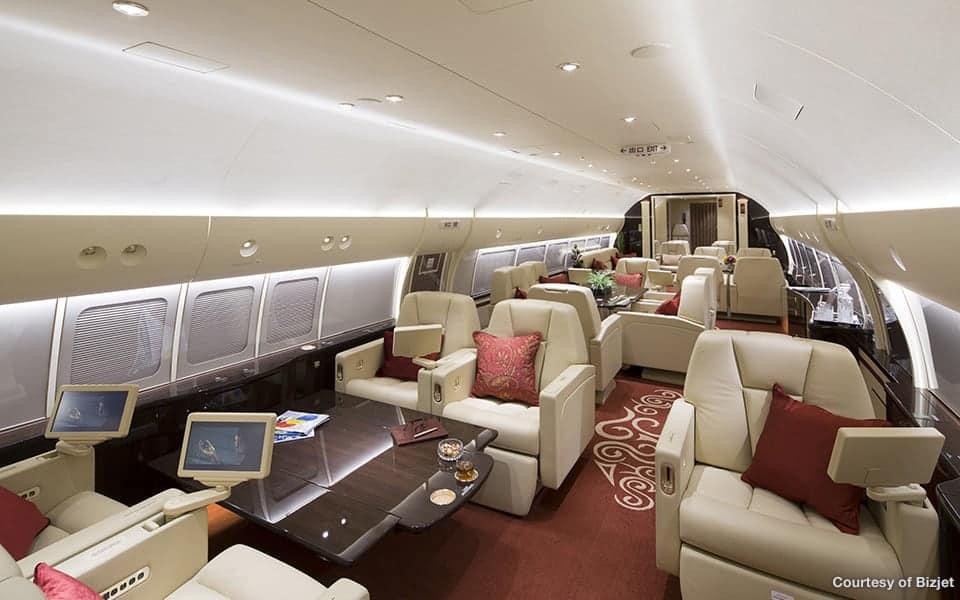
Private jet ownership is often associated with luxury, convenience, and exclusivity, offering a level of comfort and flexibility that commercial aviation can’t match. For many individuals, owning a private jet represents the maximum experience of success, freedom, and mobility. However, behind the allure of private aviation lies a significant financial commitment. The true costs of owning a private jet extend far beyond the initial purchase price, encompassing a range of ongoing expenses that can add up quickly. In this article, we’ll take an in-depth look at the various costs involved in owning a private jet, from the upfront purchase price to the ongoing maintenance and operational expenses.
The Initial Purchase Cost
The first and most obvious cost associated with private jet ownership is the purchase price. Private jets vary greatly in price depending on their size, brand, model, age, and customization options. A small, entry-level jet like the Cessna Citation Mustang can cost between $2.5 million and $3.5 million, while a mid-sized jet like the Gulfstream G150 or Bombardier Learjet 60 can range from $10 million to $20 million. Larger, long-range jets like the Gulfstream G650 or Bombardier Global 7500 can exceed $60 million, with the cost increasing further if you opt for bespoke features, such as luxurious interiors, custom finishes, and advanced technology.
When purchasing a private jet, buyers should also account for additional expenses that go beyond the aircraft’s price tag. These include taxes, legal fees, registration, and financing charges. Depending on the jurisdiction, taxes can add a substantial amount to the cost of ownership. For instance, in some regions, buyers may face sales tax rates that range from 5% to 10% of the jet’s purchase price. In addition, owners often need to pay for inspections and modifications, especially if the aircraft is pre-owned, to ensure it meets safety and regulatory standards. These additional costs can run into the hundreds of thousands of dollars, making the total price of ownership significantly higher than the initial purchase cost.
Financing and Leasing Options
For those who cannot afford to purchase a private jet outright, financing and leasing options are available. Financing a private jet is similar to financing any other large asset, such as a home or a yacht. Buyers typically make a down payment, followed by monthly payments over an extended period. Interest rates for jet financing can vary, but they typically range from 3% to 7%, depending on the buyer’s creditworthiness and the terms of the loan.
Leasing is another option for those who want to enjoy the benefits of private jet ownership without the long-term financial commitment. There are two main types of jet leases: operating leases and finance leases. An operating lease allows the lessee to use the jet for a specified period, typically between 3 to 10 years, with the option to return it at the end of the lease term. Finance leases, on the other hand, are more akin to financing, where the lessee has the option to purchase the jet at the end of the lease.
Leasing typically requires lower upfront costs compared to purchasing, but it can also result in higher monthly payments. For many, leasing is an attractive option if they only need to use the jet for a limited time or if they want to avoid the complexities of ownership, such as maintenance and long-term storage.
Operational Costs: What You Need to Know
Once you’ve made the initial investment in a private jet, the next step is to factor in the ongoing operational costs. These costs can quickly add up, making it essential for owners to budget carefully. Below are the key operational costs involved in owning a private jet.
1. Fuel Costs
Fuel is one of the most significant ongoing expenses for private jet owners. The amount you spend on fuel depends on the size of the jet, the distance traveled, and the type of fuel used. Small jets, like the Cessna Citation Mustang, may burn around 150 gallons of fuel per hour, while larger jets, like the Gulfstream G650, can consume up to 500 gallons per hour.
Fuel costs fluctuate depending on global oil prices, and they can vary widely depending on the location. On average, fuel costs can range from $3,000 to $10,000 per hour of flight time, with larger jets incurring the higher end of the spectrum. For owners who use their jet frequently, fuel costs can easily run into hundreds of thousands of dollars per year.
2. Maintenance and Repairs
Maintaining a private jet is a critical part of ownership and one of the most expensive aspects of operating an aircraft. Maintenance costs can be broken down into two main categories: scheduled and unscheduled maintenance.
Scheduled maintenance is routine upkeep that’s required at regular intervals to ensure the jet is in optimal flying condition. This can include tasks like engine inspections, airframe checks, and avionics system updates. Depending on the jet and its usage, scheduled maintenance may occur every 200 to 500 flight hours, with costs ranging from $5,000 to $25,000 per inspection.
Unscheduled maintenance, on the other hand, refers to unexpected repairs that arise due to malfunctions or wear and tear. For example, if an engine or avionics system fails, the cost of repairs can run into tens of thousands of dollars, or even hundreds of thousands for more complex issues. Emergency repairs and replacements of critical components can be a significant financial burden, so it’s essential to have a maintenance reserve fund to cover such unexpected costs.
In addition to scheduled and unscheduled maintenance, owners must also budget for the cost of replacing worn-out components, such as tires, brakes, and interior furnishings. These expenses, while smaller individually, can add up over time and must be factored into the total cost of ownership.
3. Crew Salaries and Training
Private jet owners are also responsible for the salaries and training of their flight crew. The crew typically includes at least one pilot, though larger jets may require multiple pilots and flight attendants. The salaries of pilots and crew members vary depending on the size of the jet, their experience, and their location, but on average, a private jet pilot earns between $70,000 and $150,000 per year. If the jet is flown frequently or over long distances, owners may also need to employ additional crew members, which increases the overall salary costs.
In addition to salaries, owners are responsible for ongoing training and certification of their pilots and crew. Pilots must undergo regular recurrent training, including simulator training, emergency procedures, and training specific to the type of aircraft they are operating. These training programs can cost tens of thousands of dollars per year and are essential to maintaining the safety and reliability of the jet.
4. Hangar and Storage Fees
When the jet is not in use, it must be stored in a hangar to protect it from the elements. The cost of hangar rental varies depending on the location and the size of the jet. On average, hangar fees range from $1,000 to $5,000 per month for small jets and can increase to $10,000 or more per month for larger jets. In addition to hangar space, owners may also need to pay for additional ground services, such as de-icing, cleaning, and refueling, which can add up over time.
Insurance Costs
Aircraft insurance is another significant expense for private jet owners. Insurance typically covers damage to the jet, liability for accidents, and other unforeseen events, such as theft or vandalism. The cost of insurance varies based on the value of the jet, the level of coverage, and the owner’s claims history. On average, private jet insurance premiums can range from $20,000 to $100,000 per year, with larger and more expensive jets commanding higher premiums.
In addition to standard insurance, owners may also opt for additional coverage, such as hull insurance or liability coverage for passengers. These options can further increase insurance costs, making it crucial for owners to carefully assess their needs and budget accordingly.
Miscellaneous Expenses
In addition to the major costs mentioned above, private jet owners must also account for various miscellaneous expenses that come with ownership. These include:
- Catering – For flights with passengers, catering can be an additional cost. The price of catering services varies depending on the size of the flight and the menu, but it can range from a few hundred to several thousand dollars per flight.
- Landing Fees – Every time the jet lands at an airport, the owner must pay landing fees, which can vary depending on the airport and the size of the aircraft. These fees can range from a few hundred to several thousand dollars per landing.
- Flight Permits and Customs Fees – For international flights, owners must also account for the cost of flight permits, landing rights, and customs fees. These expenses can add up quickly, especially for frequent international travel.
- Flight Planning and Coordination – Many private jet owners hire flight planning companies or coordinators to manage their flight schedules, book accommodations, and handle other logistics. These services can cost several thousand dollars per year.
The Financial Impact: Is Private Jet Ownership Worth It?
The financial commitment of owning a private jet is substantial, but for many high-net-worth individuals and businesses, the benefits outweigh the costs. Owning a private jet provides unmatched convenience, time savings, and flexibility, allowing owners to travel on their terms without the constraints of commercial aviation.
However, it’s essential to carefully consider all the costs involved before making the decision to purchase a private jet. From the initial purchase price to ongoing operational expenses, the total cost of ownership can quickly escalate. For some, the costs may be prohibitive, and leasing or chartering a private jet may be a more cost-effective solution.
Ultimately, the decision to own a private jet is a personal one that should be based on your travel needs, financial capacity, and lifestyle. By understanding the true costs of private jet ownership and weighing them against the benefits, you can
make an informed decision about whether owning a private jet is the right choice for you.


