


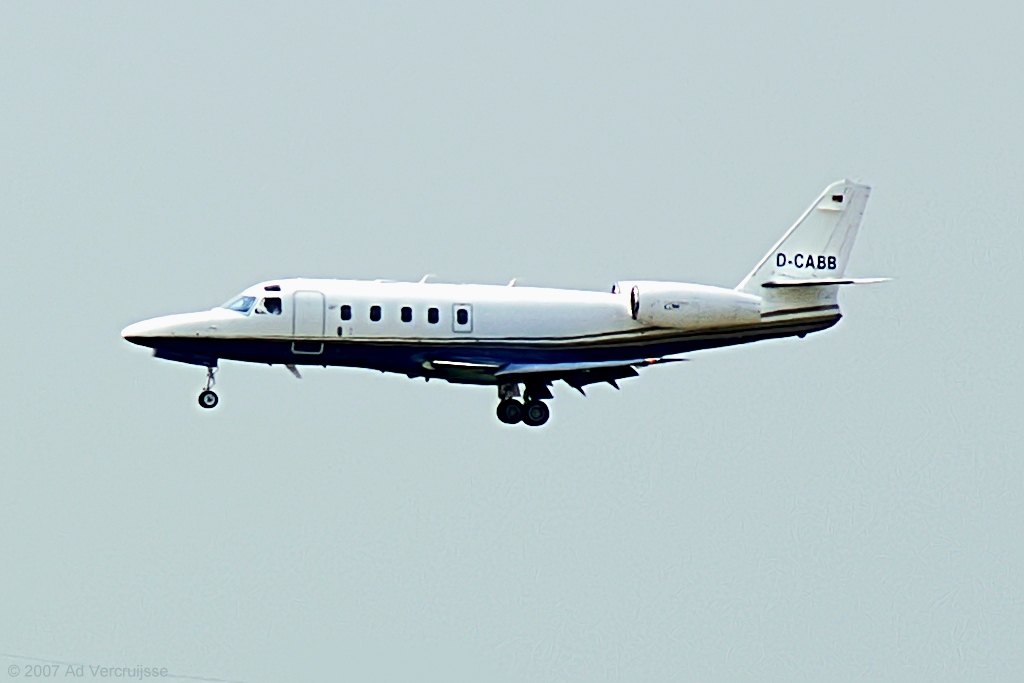
Owning a private jet is more than just a symbol of success or convenience; it’s also a complex financial asset with significant tax implications. For high-net-worth individuals and business owners, tax compliance can become an intricate puzzle. With changing global regulations, tax reforms, and evolving practices in private aviation, understanding how to legally structure jet ownership, operations, and usage for optimal tax compliance is crucial.
This guide provides an in-depth exploration of the most innovative and creative legal strategies for ensuring private jet tax compliance. Whether you’re an individual owner, business, or investor, mastering the trends, techniques, and tactics for navigating the complexities of private jet taxation is essential for long-term success and financial efficiency.
- Understanding the Landscape of Private Jet Tax Compliance
Private jet tax compliance involves adhering to various national and international tax laws that govern aircraft ownership, operations, and usage. These laws can vary greatly depending on the jurisdiction, and non-compliance can result in hefty penalties or even legal action. The first step to creating an effective tax strategy is understanding the general rules that govern private jet taxation.
1.1 Aircraft Registration and Sales Tax
One of the first compliance issues to address is the registration of the aircraft. Each country has specific rules regarding where an aircraft must be registered, and these rules often have tax implications. In some countries, registering a jet can trigger sales tax obligations, whereas in others, the process is tax-exempt.
In jurisdictions like the United States, aircraft purchases may be subject to state-level sales tax. However, the rules can differ significantly from state to state, and there are often exemptions or reduced rates available for aircraft used primarily for business purposes. It’s crucial to fully understand the rules of the jurisdiction where the aircraft is registered to avoid any unexpected tax liabilities.
1.2 Depreciation and Business Use
In many countries, including the U.S., owners can claim depreciation on their private jet. This is especially beneficial for business owners, as it allows for deductions on the aircraft’s value over a set period of time, typically five to seven years under the Modified Accelerated Cost Recovery System (MACRS). However, the key to legally optimizing depreciation benefits is ensuring that the aircraft is used for business purposes.
For owners who use their jet for both personal and business purposes, depreciation must be allocated based on usage. Properly documenting business flights is essential for substantiating claims, as failure to do so can trigger an audit or disallowance of deductions.
- Key Trends Shaping Private Jet Tax Laws
Private jet tax laws are continually evolving, particularly in response to global economic changes and environmental concerns. To stay ahead, jet owners and their legal teams must understand the key trends that are shaping tax laws in the aviation industry.
2.1 Environmental Taxation and Green Incentives
As global awareness of climate change grows, many countries are introducing green incentives and environmental taxes aimed at reducing carbon emissions. For private jet owners, this means that there could be both opportunities and obligations related to sustainability.
Some jurisdictions are offering tax credits or incentives for those who invest in carbon offset programs, sustainable aviation fuel (SAF), or more efficient aircraft. By adopting more environmentally friendly practices, jet owners can reduce their tax liabilities while simultaneously contributing to the global effort to combat climate change.
Conversely, countries with high carbon taxes may impose additional levies on private jet usage or ownership, especially if the aircraft is used frequently for short flights. This is an emerging area of tax law that jet owners must monitor closely to mitigate any increased tax burden.
2.2 Global Tax Reforms and International Coordination
Governments worldwide are increasingly working together to standardize and harmonize tax rules for cross-border private jet operations. International tax treaties are evolving, and some countries are revising their tax codes to make private aviation more compliant with international norms.
For private jet owners who travel or operate internationally, it’s essential to stay informed about the latest reforms in aviation tax law. International coordination on tax matters can help mitigate double taxation risks, reduce administrative complexities, and enhance cross-border compliance.
2.3 Changes in VAT and Sales Tax Regulations
Value-added tax (VAT) and sales tax regulations surrounding private jet ownership and operations are in a constant state of flux. In some countries, VAT is applied to the purchase price of a private jet, while in others, it may be exempt or subject to a reduced rate depending on how the jet is used.
For instance, in the European Union, VAT exemptions may apply for business-use aircraft, but these rules can be intricate. Navigating VAT regulations requires a clear understanding of how the jet will be used, where it will be based, and the specific rules within each jurisdiction.
- Creative Legal Techniques for Private Jet Tax Compliance
With a solid understanding of the trends shaping private jet taxation, it’s time to look at the legal techniques and creative strategies that can help optimize tax compliance. These strategies can help minimize liabilities, ensure legal compliance, and take advantage of favorable tax treatment.
3.1 Utilizing Special Purpose Vehicles (SPVs) for Ownership
One of the most effective techniques for optimizing private jet tax compliance is using a Special Purpose Vehicle (SPV) to own the aircraft. An SPV is a separate legal entity created specifically for the purpose of owning the jet. This structure helps to isolate the aircraft from the owner’s personal or business assets and provides several tax advantages.
By using an SPV, owners can potentially reduce tax liabilities, shield themselves from personal liability, and take advantage of tax breaks available to business entities. The SPV can also be structured to allow for more flexible ownership transfer, helping minimize capital gains taxes when selling the aircraft.
Additionally, an SPV can be used to centralize and simplify the management of operational costs, such as maintenance, insurance, and crew salaries, which may be deductible depending on how the aircraft is used.
3.2 Leveraging Operating Leases
Leasing your private jet, either as the lessor or lessee, can offer substantial tax advantages. Operating leases, in particular, allow for the deduction of lease payments as business expenses, while the lessor retains ownership of the aircraft. This strategy is commonly used by businesses that need access to the jet without assuming the full financial responsibility of ownership.
For individuals, leasing the jet to a business entity may allow for the deduction of operational costs such as fuel, crew salaries, and maintenance. Similarly, businesses can lease aircraft for business purposes and claim deductions for the entire lease period.
3.3 Strategic Use of Charitable Flights for Tax Deductions
For private jet owners who wish to contribute to charitable causes, using the aircraft for charitable flights can be a creative way to reduce tax liabilities. Many jurisdictions allow for the deduction of expenses associated with charitable flights, including fuel, maintenance, and other operating costs.
When using the jet for charitable purposes, it’s essential to ensure that the flights meet the legal requirements set forth by tax authorities. Keeping detailed records and providing supporting documentation is necessary to substantiate any tax deductions.
- Common Pitfalls and How to Avoid Them
Navigating private jet tax compliance is not without its challenges. There are several common pitfalls that owners and operators should be aware of to avoid costly mistakes.
4.1 Inadequate Documentation
One of the most frequent reasons for tax audits and penalties is a lack of proper documentation. For example, business use of the jet must be substantiated with flight logs, contracts, or other relevant documentation. Without clear records, tax authorities may challenge deductions, leading to significant fines or adjustments.
4.2 Failing to Separate Personal and Business Use
If the jet is used for both personal and business purposes, it’s crucial to maintain a clear distinction between the two. The allocation of expenses, depreciation, and deductions should be based on documented business use. Failing to accurately track and allocate usage can result in the loss of tax benefits and potential penalties.
4.3 Ignoring Local and International Regulations
Local tax laws and international regulations vary significantly. Ignoring the specifics of VAT, sales tax, or carbon tax regulations can result in unforeseen liabilities. To avoid this, it is essential to stay informed about the latest tax laws and to seek professional advice from aviation tax experts.
- Conclusion: A Roadmap to Private Jet Tax Compliance
Navigating the complexities of private jet tax compliance requires a careful and strategic approach. By understanding current trends, leveraging creative legal techniques, and staying informed about regulatory changes, owners can optimize their tax positions while ensuring full compliance with the law.
Whether using an SPV for ownership, utilizing operating leases, or taking advantage of tax incentives for environmental sustainability, there are numerous ways to structure your private jet ownership and operations for maximum efficiency. By working with experienced aviation tax professionals and legal experts, you can successfully navigate the complexities of private jet tax compliance and reduce your financial liabilities.


