


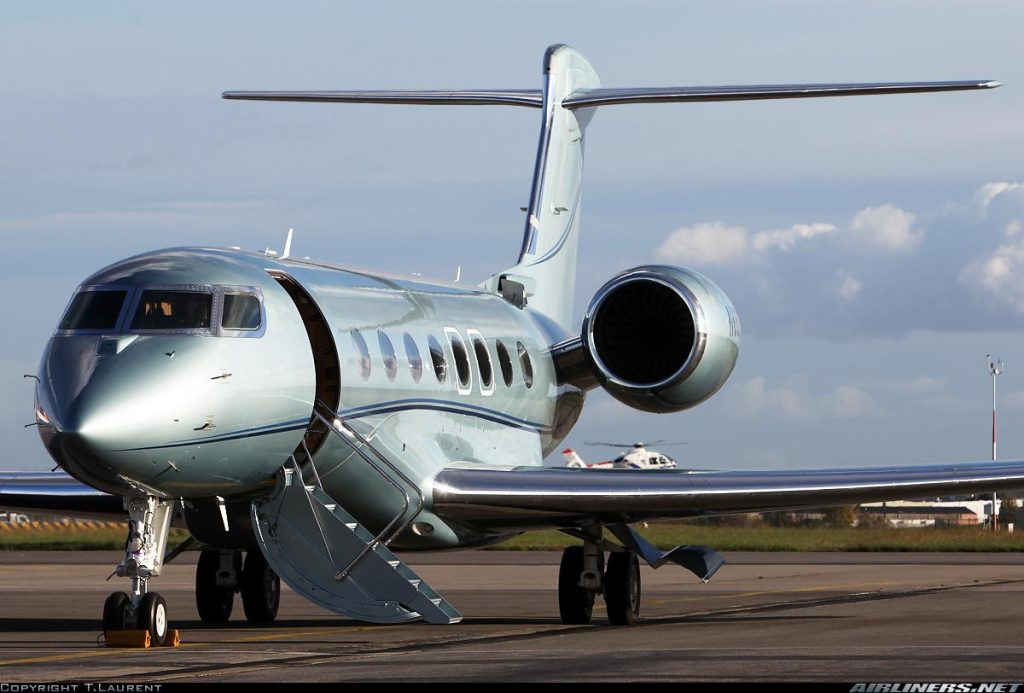
The Ultimate Guide to Private Jet Buying: Creative Strategies for Elite Investors
For elite investors, private jet ownership is more than a symbol of luxury, it’s a strategic investment that offers significant financial benefits, convenience, and flexibility. Whether you’re new to aviation or looking to upgrade your current aircraft, buying a private jet requires careful planning and a creative approach to ensure a purchase that aligns with both your lifestyle and your financial goals. In this guide, we explore key strategies to navigate the private jet market and make a successful, high-value acquisition.
- Understanding the Private Jet Market: Insights for Elite Investors
Before diving into the private jet buying process, it’s crucial to understand the current market landscape. Private jets come in various types, sizes, and models, each offering unique benefits depending on your specific needs. Gaining an in-depth understanding of the market will equip you to make informed decisions and avoid overspending.
Types of Private Jets:
There are multiple categories of private jets, including light jets, midsize jets, super-midsize jets, and heavy jets. The type you choose should align with your flying habits. Light jets are suitable for short trips, while larger jets are more suited for international travel or flights with a larger passenger capacity. Understanding your travel patterns will help you avoid buying an aircraft that is too large or too small for your needs.
New vs. Pre-Owned Jets:
One of the first decisions to make is whether to buy a new or pre-owned jet. While new jets offer the latest technology and customization options, pre-owned jets often provide significant savings without sacrificing performance. As an elite investor, evaluating the pros and cons of both options and understanding the depreciation of aircraft value will help you make the best financial choice.
Market Trends and Timing:
The private jet market can be affected by various factors, including economic conditions, global events, and shifts in demand. Being aware of these trends will allow you to time your purchase to get the best deal. For instance, during periods of economic uncertainty, the availability of pre-owned jets may increase, leading to favorable pricing.
- Creative Financing for Private Jet Purchases
The process of financing a private jet can seem daunting, but elite investors have several creative strategies to make the process more flexible and financially beneficial. While you may choose to pay in full, financing options allow you to leverage capital and spread out the costs.
Private Jet Financing:
Many financial institutions specialize in private jet financing and offer loans tailored to high-net-worth individuals. These loans often come with attractive interest rates and flexible repayment terms. As an elite investor, you can negotiate favorable terms based on your financial profile, helping you retain liquidity while still acquiring the jet of your choice.
Tax Benefits:
There are significant tax advantages to owning a private jet, especially if the jet is used for business purposes. Tax deductions related to depreciation, operating costs, and maintenance can reduce the overall cost of ownership. It’s essential to consult with a tax expert to navigate the complexities of aviation tax laws and ensure you’re maximizing any potential tax breaks.
Fractional Ownership and Leasing:
If full ownership isn’t necessary, fractional ownership and leasing programs offer cost-effective alternatives. Fractional ownership allows you to share the costs of a private jet with other investors while still enjoying full access to the aircraft. Leasing provides a way to enjoy the benefits of a jet without committing to long-term ownership, which is ideal if your needs fluctuate.
- Maximizing Value: Selecting the Right Aircraft
Elite investors are known for making smart, strategic investments, and purchasing a private jet is no different. Choosing the right jet involves not just selecting an aircraft that fits your current needs but also considering factors that maximize long-term value, comfort, and convenience.
Tailoring the Jet to Your Needs:
Consider your specific travel habits when selecting a jet. Do you often fly long distances or internationally? Will you need to transport large groups of passengers? Answering these questions will help you determine the size, range, and features of the jet that best meet your needs.
Customization and Interior Design:
Many private jets offer extensive customization options, allowing you to tailor the interior to your personal preferences. Whether you desire high-end materials, advanced entertainment systems, or customized seating arrangements, designing your ideal jet interior can increase its appeal and functionality. While luxury is essential, think long-term about how the design will resonate with potential buyers should you decide to sell the aircraft in the future.
Ensuring Long-Term Resale Value:
A creative approach to purchasing a private jet also involves selecting a model that will hold its value. Certain jets have stronger resale value due to their popularity, reliability, and performance. Doing your research on the brand reputation, aircraft model, and potential market demand for resale is crucial. Opting for a jet with a strong brand presence and demand in the secondary market ensures a higher return on investment when it comes time to sell.
- Negotiation Strategies for Securing the Best Deal
As an elite investor, the ability to negotiate effectively is essential to securing a great deal on your private jet purchase. There are several negotiation tactics you can use to make sure you’re getting the best possible value for your investment.
Understand the Seller’s Position:
Before entering into negotiations, research the seller’s motivations. Are they eager to sell because of an upgrade or because the jet has been on the market for an extended period? Understanding these factors will give you leverage in negotiations, as sellers may be willing to accept a lower price if they are under pressure.
Look Beyond the Price Tag:
The final price is just one component of the deal. Consider negotiating for additional value-added benefits, such as extended warranties, comprehensive maintenance packages, or favorable financing terms. These extras can significantly reduce the total cost of ownership and improve your return on investment.
Timing Your Purchase:
Market conditions play a large role in private jet prices. The end of the year, for example, often sees discounts and deals as sellers look to close transactions. Similarly, during slower market periods or at specific times in the year when demand is lower, you may be able to negotiate a better price.
- Due Diligence: Protecting Your Investment
Just like any high-value asset, private jets require thorough due diligence to ensure you’re making a sound investment. From inspecting the aircraft to verifying ownership history, conducting a meticulous review will help you avoid costly mistakes and protect your capital.
Pre-Purchase Inspections:
Never purchase a private jet without a comprehensive pre-purchase inspection. This includes a detailed examination of the aircraft’s mechanical systems, avionics, engines, and structural integrity. Engaging a qualified aviation mechanic or inspection company will help you identify potential issues that could cost you money down the line.
Maintenance and Ownership Records:
Request full documentation on the jet’s maintenance history, including records of repairs, upgrades, and inspections. A jet with a clean maintenance record is a better investment, as it is likely to require fewer immediate repairs and continue to perform reliably in the future.
Ownership and Legal Verification:
Ensure that the jet has a clear legal history, including verified ownership and no outstanding liens or legal disputes. These issues could delay or complicate the purchase, so it’s important to conduct thorough due diligence in this area.
- Post-Purchase Strategies for Maximizing Return on Investment
Once you’ve made your private jet purchase, it’s important to adopt a strategy for maintaining its value and maximizing its return on investment.
Regular Maintenance and Care:
Proper maintenance is crucial to ensuring your jet remains in top condition and retains its value. Work with reputable service providers and adhere to a consistent maintenance schedule. Proper care will not only keep the jet flying smoothly but also make it more appealing to future buyers.
Upgrades and Modernization:
Upgrading your jet’s technology, avionics, or interior design can increase its value. Adding features like satellite communication, entertainment systems, or more fuel-efficient engines will make your jet more attractive to prospective buyers when you decide to sell.
Stay Informed on Market Trends:
The private jet market is dynamic, so staying informed about trends, potential demand shifts, and pricing movements is crucial. By monitoring the market, you’ll know when to hold onto your jet for maximum resale value or when it might be a good time to sell.
Conclusion
Buying a private jet is not just a luxury purchase; it’s a smart investment strategy for elite buyers. By using creative techniques in financing, choosing the right aircraft, negotiating effectively, and maintaining your investment, you’ll be able to secure a jet that offers both luxury and long-term financial benefits. With the right approach, a private jet can enhance your lifestyle and serve as a valuable asset for years to come.


