


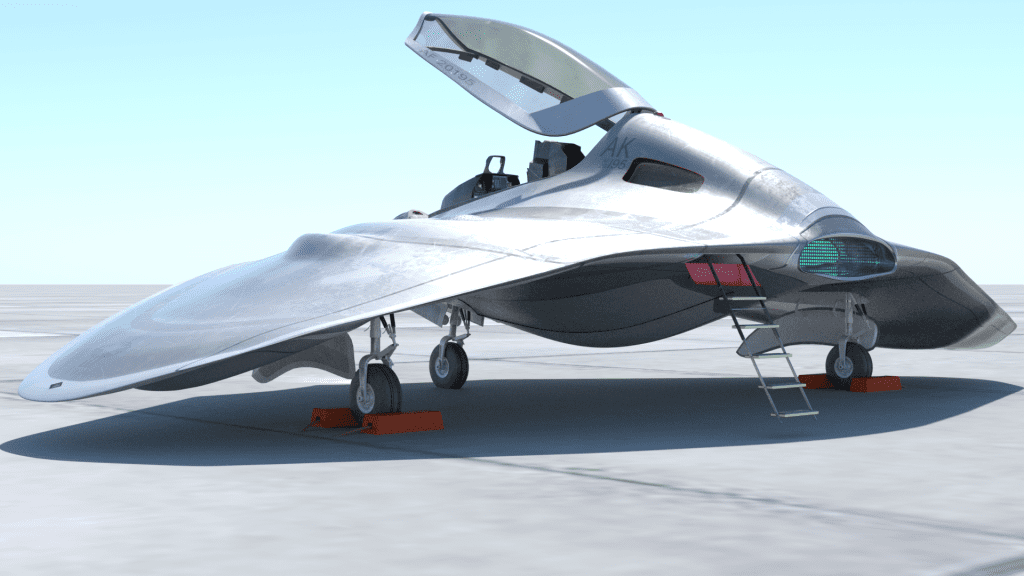
Owning a private jet offers unmatched convenience, flexibility, and prestige, but it also comes with a complex set of tax regulations that require careful attention. Whether you’re a business owner looking to leverage aviation for corporate travel or a high-net-worth individual considering the benefits of private jet ownership, understanding private jet tax regulations is crucial to optimize your investment and avoid costly mistakes.
In this comprehensive legal guide, we will break down the essential tax considerations for private jet owners, offering creative approaches and legal strategies to help you navigate the maze of tax laws, deductions, and compliance obligations. Let’s explore the key aspects of private jet taxation, from aviation tax laws to depreciation benefits and business usage deductions.
Understanding Private Jet Tax Regulations
Private jet tax regulations are a blend of federal, state, and local rules that govern the financial aspects of aircraft ownership, operation, and use. In the U.S., the Federal Aviation Administration (FAA) and the Internal Revenue Service (IRS) oversee much of the regulatory framework, but states also impose their own sales tax, property tax, and other aviation-related fees.
Private jet ownership is often perceived as a luxury, but the IRS views it through a legal lens that balances the financial benefits with compliance demands. Tax codes offer opportunities to offset some costs associated with purchasing, operating, and maintaining private aircraft. However, the tax treatment of private jets can vary significantly depending on how the jet is used—whether for personal, business, or mixed-use purposes.
Key Tax Benefits and Deductions for Private Jet Owners
Private jet owners may be eligible for a variety of tax deductions and benefits, depending on the specific use and structure of ownership. Let’s break down the most common tax advantages.
1. Depreciation of Aircraft
The IRS allows aircraft owners to depreciate their jets, which can be a significant tax benefit. Under the Modified Accelerated Cost Recovery System (MACRS), you can deduct the cost of the jet over a period of five years. In some cases, you may even qualify for bonus depreciation, which allows you to depreciate the aircraft at an accelerated rate in the first year of ownership.
For business owners, the key to maximizing depreciation lies in proving that the jet is being used primarily for business purposes. If your aircraft is used for personal enjoyment, you may be restricted from fully taking advantage of the depreciation deduction.
2. Operating Expenses Deduction
Jets used for business purposes allow owners to deduct operational expenses, including fuel, maintenance, pilot salaries, and hangar fees. These deductions can significantly reduce the operating costs associated with maintaining a private jet. However, it’s essential to maintain clear records of the business use to avoid scrutiny from the IRS.
3. Sales Tax Exemption
When purchasing a private jet, sales tax is often one of the most significant upfront costs. However, many states offer sales tax exemptions for aircraft purchased for business use, particularly when the aircraft is used primarily for interstate travel. This exemption can save you a substantial amount of money during the acquisition process.
4. Interest Deductions
If you finance the purchase of your private jet, you may be able to deduct the interest on the loan, especially if the jet is used for business purposes. The interest deduction can be applied to any loan that directly finances the aircraft, reducing the overall cost of ownership.
5. Charter Flights and Revenue Generation
If you decide to charter your jet for hire or lease it out to others when not in use, you can turn your aircraft into a potential revenue-generating asset. The income earned from these activities is taxable, but you may be able to offset that income with additional deductions for the costs of operating the aircraft.
Navigating the Complexities of Business vs. Personal Use
One of the most challenging aspects of private jet taxation is determining the split between business and personal use. The IRS has specific guidelines on how to handle this distinction, and it is essential to keep accurate records of each flight’s purpose.
1. Primary Business Use
If your private jet is primarily used for business purposes, you may be able to claim deductions for the full cost of ownership and operation. To qualify for these deductions, you must demonstrate that more than 50% of the jet’s use is for business-related activities, such as transporting employees, executives, or clients.
2. Mixed Use
When a jet is used for both business and personal purposes, the tax deductions are usually proportional. For instance, if 60% of the flights are for business and 40% for personal use, you can deduct 60% of the aircraft’s expenses. Properly documenting the usage and purpose of each flight is critical to ensuring compliance and avoiding penalties.
3. Personal Use
When using your private jet solely for personal travel, the IRS will not allow you to claim tax deductions related to ownership or operation. Additionally, any personal use of the jet may be subject to fringe benefits taxation if the jet is owned by a company. The company must report the fair market value of the personal use and include it as income for the individual using the aircraft.
Creative Approaches to Optimize Private Jet Tax Benefits
In addition to standard tax benefits, savvy private jet owners can take creative approaches to maximize their tax savings. Here are some strategies to consider:
1. Establishing an Aircraft Ownership LLC
One of the most effective ways to manage the tax implications of private jet ownership is by creating an aircraft ownership LLC. This entity can hold the jet and lease it back to the individual or business entity, enabling you to separate personal assets from the jet, streamline accounting, and potentially take advantage of favorable tax rules for LLCs. An LLC structure can also offer asset protection in the event of legal issues or litigation.
Additionally, the LLC can lease the aircraft to other businesses or individuals, allowing you to generate additional income and claim expenses associated with those leasing arrangements.
2. Creating a Part 135 Air Carrier Business
For those who are serious about maximizing revenue from their private jet, one of the most effective strategies is to operate the jet under a Part 135 air carrier certificate. This designation allows private jets to be used for commercial flights and charter services. By obtaining this certification, you can legally charge passengers for flights and deduct a wide range of operational expenses related to maintaining the jet as a business asset.
3. Using the Aircraft for Employee Incentives
If your business owns a private jet, it can be a valuable tool for employee retention and incentive programs. Offering employees the ability to fly on the company jet for business trips, or even for personal travel under certain conditions, can enhance their job satisfaction and loyalty. However, keep in mind that any personal use of the aircraft by employees may be subject to taxation, and the IRS has specific rules regarding non-taxable fringe benefits.
State and Local Tax Considerations
While federal tax rules are the primary concern for most private jet owners, state and local taxes can also play a significant role in the overall cost of owning and operating a jet. Each state has its own set of rules regarding sales tax, property tax, and use tax, which can impact the financials of owning an aircraft.
For instance, states like Florida, Texas, and Nevada are known for offering favorable tax climates for private jet owners, with sales tax exemptions and no state income tax. On the other hand, states like California have higher sales taxes and stricter regulations regarding aircraft ownership.
It’s essential to work with a tax professional familiar with aviation law and local tax rules to ensure that you are complying with all relevant regulations and optimizing your tax position across different jurisdictions.
Compliance and Audits: Avoiding Pitfalls
The IRS has become increasingly vigilant in auditing private jet owners, particularly those who attempt to deduct large expenses without sufficient documentation. To avoid audits or penalties, it’s critical to maintain detailed records of all flights, including the purpose of the flight, who was on board, and whether the trip was business or personal.
Additionally, ensuring that your aircraft is used in a manner consistent with its claimed tax treatment (business use, personal use, or mixed use) is vital. If your aircraft is primarily used for personal purposes but you claim business deductions, you risk triggering an audit, which can lead to hefty penalties.
Conclusion
Navigating private jet tax regulations is complex but manageable with the right strategies in place. By understanding the various tax benefits and deductions available, documenting your usage carefully, and using creative approaches to ownership and operational structuring, you can significantly optimize the financial aspects of private jet ownership.
Whether you’re looking to maximize depreciation benefits, reduce operational costs, or structure your ownership through an LLC or other business entity, working with an experienced tax advisor who understands the intricacies of aviation law is essential to ensure compliance and maximize savings.
By leveraging the tax advantages available to jet owners and business users, you can enjoy the freedom and luxury of private aviation while minimizing your tax burden and maximizing the value of your investment.


