


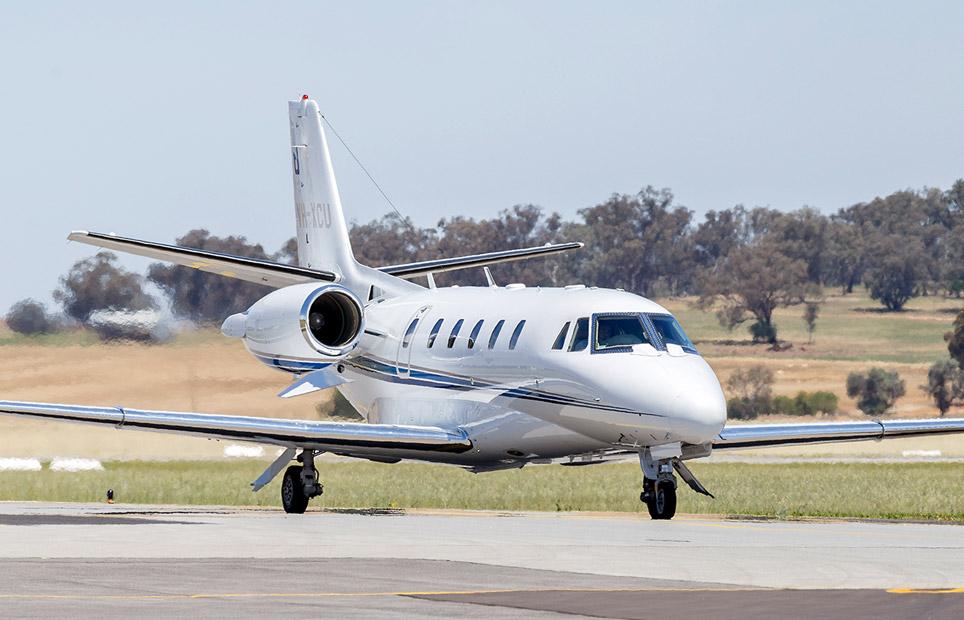
This article will explore the technology, engineering, and implications of ultra-fast private jets capable of reaching speeds up to 10,000 km/h, focusing on how these jets would be developed, their impact on the aviation industry, and how they might shape the future of global travel.
The Concept of Ultra-Fast Private Jets
To understand what ultra-fast private jets at 10,000 km/h would entail, we need to break down the technology required and the advantages that come with such speed. In simple terms, 10,000 km/h (around 6,200 miles per hour) is approximately 8 times the speed of sound, far beyond the capabilities of today’s commercial airliners, which cruise at speeds of around 900 km/h (560 mph). This speed places ultra-fast private jets in the category of hypersonic travel, which is defined as speeds greater than Mach 5 (6,174 km/h or 3,836 mph).
Currently, the fastest manned aircraft ever built is the North American X-15, which achieved speeds of up to 7,274 km/h (4,520 mph). However, the concept of ultra-fast private jets is being taken a step further, incorporating both hypersonic flight capabilities and the luxury, comfort, and efficiency expected from private jet travel.
The Technology Behind Hypersonic Private Jets
Achieving speeds of 10,000 km/h requires overcoming significant technological and engineering challenges. Let’s take a closer look at the key technologies that would make these ultra-fast jets possible.
- Hypersonic Engines and Propulsion Systems
The most important aspect of any ultra-fast private jet is its engine technology. To achieve hypersonic speeds, jets need specialized scramjet (supersonic combustion ramjet) engines, which operate differently from traditional jet engines. Scramjets are designed to allow supersonic airflow to enter the engine, where it is compressed and ignited to produce thrust. Unlike conventional jet engines, which rely on turbine compressors, scramjets don’t require rotating parts and can operate efficiently at extremely high speeds.
These engines could also be powered by advanced fuel technologies, such as liquid hydrogen or electric propulsion. Liquid hydrogen has been identified as a promising fuel source for hypersonic aircraft due to its high energy content and cleaner emissions, making it a potential fuel of choice for private jets that prioritize speed and sustainability.
The integration of scramjets with advanced fuel technologies could enable private jets to break the sound barrier and travel at sustained speeds of 10,000 km/h without compromising fuel efficiency or engine reliability.
- Advanced Aerodynamics
Hypersonic travel involves traveling at speeds that generate immense amounts of heat and pressure, which can cause significant aerodynamic challenges. To achieve speeds of 10,000 km/h, the jet’s airframe would need to be engineered to withstand extreme conditions such as intense heat from air friction and high-pressure shockwaves created by traveling at hypersonic speeds.
To address these challenges, designers would likely employ aerodynamic shapes optimized for high-speed travel. Aircraft shapes would likely resemble those used for reentry vehicles or space shuttles, sleek, streamlined designs that minimize drag and maximize stability. Additionally, advanced heat-resistant materials such as titanium alloys, carbon composites, or graphene would be crucial to prevent the jet from disintegrating during flight.
- Thermal Protection Systems
Flying at speeds as high as 10,000 km/h generates extreme temperatures due to air friction. At these speeds, the temperature outside the aircraft can soar to several thousand degrees Celsius (over 5,000°F). As a result, thermal protection systems are a critical component of the jet’s design.
Materials used in the construction of the jet would need to have high thermal conductivity and heat-resistance properties. Companies are already developing ablative materials that can withstand the heat generated by high-speed flight. These materials are designed to dissipate the heat generated on the aircraft’s surface, much like those used in spacecraft during reentry.
In addition to structural protection, innovative cooling systems would also be necessary to prevent overheating of the jet’s engine, cockpit, and passenger compartments.
- Advanced Navigation and Control Systems
Flying at such high speeds presents unique challenges in terms of navigation, communication, and control. At 10,000 km/h, the jet would travel at altitudes where traditional air traffic control systems may not be able to provide sufficient coverage. As a result, ultra-fast private jets would rely on satellite-based communication and navigation systems to ensure safe and precise routing.
The jet would need advanced autopilot and flight control systems capable of managing the aircraft at hypersonic speeds. Artificial intelligence (AI) and machine learning algorithms would likely play a critical role in predicting and reacting to air traffic, weather conditions, and other variables in real-time, ensuring the aircraft stays on course while providing the utmost safety for passengers.
- Passenger Comfort at Hypersonic Speeds
One of the biggest challenges of hypersonic private jets is maintaining comfort for passengers, who would experience significant G-forces (gravitational forces) and pressure changes at such high speeds. While the technological hurdles related to propulsion, aerodynamics, and thermal protection are significant, ensuring a smooth and comfortable flying experience for passengers is just as important.
In the case of 10,000 km/h private jets, the interior of the jet would need to be pressurized, temperature-controlled, and ergonomically designed to withstand the forces involved in high-speed flight. Passengers would experience higher levels of acceleration and pressure during takeoff and flight, so custom-designed seats and restraint systems would be essential to minimize discomfort.
Additionally, luxury interiors would still be a priority. Hypersonic private jets are expected to feature state-of-the-art cabins, with spacious seating, advanced entertainment systems, and sophisticated dining areas, making the high-speed travel experience as comfortable as possible.
The Benefits of 10,000 km/h Private Jets
The primary benefit of private jets traveling at 10,000 km/h is the drastic reduction in travel time. Passengers could travel between distant global destinations in a matter of hours, making it possible to attend business meetings or events in multiple countries in a single day. Here are some examples:
New York to Tokyo: 1 hour 48 minutes
Paris to Sydney: 2 hours 50 minutes
London to Los Angeles: 1 hour 36 minutes
Beyond sheer speed, these jets would likely offer unprecedented privacy and luxury. For individuals who value their time and wish to avoid the constraints of commercial air travel, an ultra-fast private jet would provide the ultimate in comfort, privacy, and convenience.
The Environmental Considerations
The concept of ultra-fast private jets raises important environmental questions. Hypersonic travel, while offering immense benefits in terms of time savings, could have a significant environmental impact, particularly regarding carbon emissions. The aviation industry has already been under pressure to reduce its environmental footprint, and the introduction of jets traveling at 10,000 km/h may pose challenges for sustainability.
To address these concerns, developers of ultra-fast private jets would need to focus on cleaner fuels (such as liquid hydrogen), carbon offset programs, and more efficient designs that minimize the overall environmental impact. The transition to hypersonic private jets may be slow unless these concerns are addressed effectively.
The Future of Ultra-Fast Private Jets
The development of ultra-fast private jets capable of reaching speeds of 10,000 km/h is still a long way off, but it is not impossible. With ongoing advancements in aerospace technology, propulsion systems, and materials science, these jets could become a reality in the coming decades. While the technology is still in its infancy, the potential benefits in terms of speed, comfort, and convenience make ultra-fast private jets one of the most exciting prospects for the future of aviation.
As these technological advancements continue to develop, we may soon be able to experience the future of travel, one where the world’s most distant destinations are just a few hours away.


