


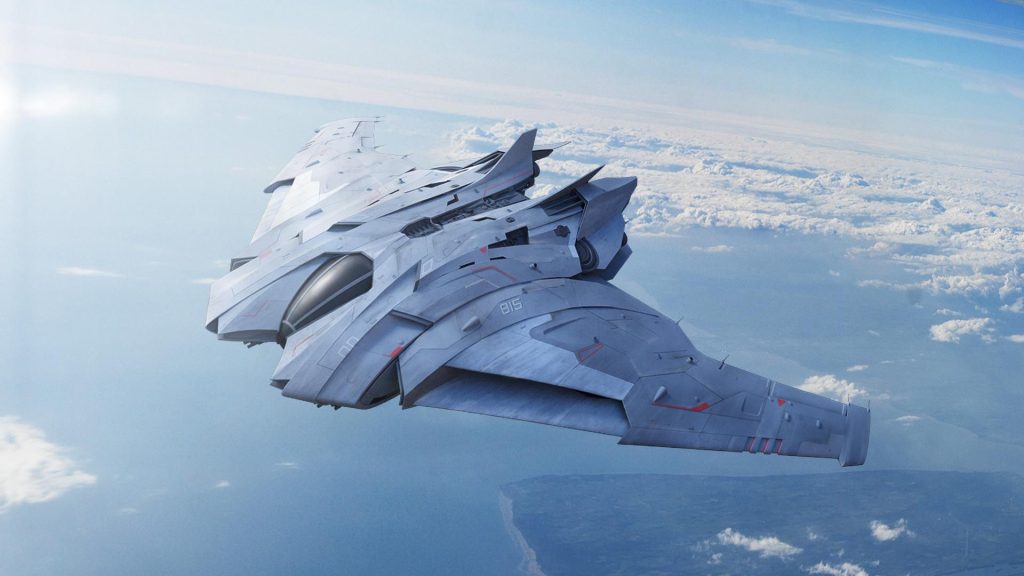
As the demand for private jet travel continues to rise, so does the industry’s responsibility to adopt eco-friendly and sustainable practices. One of the most innovative solutions emerging in the aviation sector is ultra-smart waste management systems designed to reduce the environmental impact of private flights. These systems combine advanced technology, AI, and sustainable practices to minimize waste production, optimize waste disposal, and ensure that private jet operations are as eco-friendly as possible.
In this article, we will dive deep into the future of waste management on private jets, examining the smart technologies driving these sustainable solutions and how they’re helping reduce the environmental footprint of luxury air travel.
The Need for Eco-Friendly Practices in Private Jet Travel
Private jet travel, often seen as the summery of luxury and convenience, has faced growing scrutiny due to its environmental impact, particularly concerning carbon emissions and waste management. According to recent studies, private jets are responsible for a significant portion of aviation-related pollution due to their relatively inefficient fuel consumption compared to commercial airliners.
While efforts to reduce carbon emissions, such as the use of sustainable aviation fuel (SAF), are important, there is also a pressing need to address the waste produced on private flights. From plastic waste and food packaging to human waste and other disposable materials, private jets generate a variety of pollutants that can contribute to environmental degradation.
To mitigate these effects, private jet manufacturers and operators are increasingly adopting smart waste management technologies to streamline the disposal and recycling of waste, reduce overall waste production, and help move the industry toward greener and more sustainable practices.
Ultra-Smart Waste Management Systems: The Technology Behind the Solution
The implementation of ultra-smart waste management systems on private jets involves the integration of cutting-edge technologies that optimize waste handling, disposal, and recycling. These systems utilize a combination of AI, sensor technology, and data analytics to manage waste more efficiently and sustainably. Here are some of the technologies and strategies behind these systems:
- AI-Powered Waste Sorting
One of the key features of smart waste management systems is the use of artificial intelligence to automatically sort waste onboard. AI algorithms are capable of distinguishing between different types of waste, recyclables, compostables, and non-recyclables, and diverting them to appropriate bins. This ensures that more waste is diverted from landfills and recycled or composted, significantly reducing the overall environmental footprint.
AI-powered systems are also able to optimize waste disposal schedules, ensuring that waste is removed and processed at the most efficient times during the flight. This could involve the automatic collection of waste throughout the flight and storage in designated areas until the aircraft lands, where it is promptly disposed of in an eco-friendly manner.
- Smart Waste Disposal Systems
In addition to sorting, smart waste disposal systems are designed to minimize the environmental impact of waste handling on private jets. These systems are often equipped with vacuum waste disposal technology, which compresses and contains waste in airtight compartments to prevent leakage or contamination. This not only improves safety onboard but also ensures that waste is securely handled and efficiently removed.
Some systems also feature automated waste-to-energy technologies, which convert non-recyclable waste into energy, reducing the amount of waste that ends up in landfills. These energy systems could be used to power certain in-flight systems, further contributing to the sustainability of private aviation.
- Eco-Friendly In-Flight Materials
Beyond waste management, the materials used in private jets are also crucial in reducing the overall environmental impact. Many private jet manufacturers are shifting toward eco-friendly, sustainable materials for onboard operations. This includes using biodegradable packaging, plant-based alternatives to plastic, and sustainable catering materials for food service.
By reducing the use of single-use plastics and switching to sustainable materials, private jets can significantly reduce the amount of waste they generate in the first place. These materials are designed to be easily disposed of, recycled, or composted, minimizing the strain on waste management systems.
- Real-Time Waste Monitoring and Data Analytics
Advanced sensor technology and data analytics are used to monitor and track waste levels in real-time, ensuring that waste is disposed of or recycled efficiently. Sensors installed in waste bins can detect when bins are full and send alerts to the cabin crew, prompting them to empty the bins at the appropriate time.
Data analytics allows operators to track waste patterns and identify areas where waste reduction can be improved. This helps optimize waste collection schedules and assess the effectiveness of recycling programs onboard. Additionally, real-time monitoring of waste levels helps ensure that waste is disposed of properly without the risk of overflow or contamination.
- Waterless Toilets and Reduced Water Usage
Another important aspect of eco-friendly waste management in private jets is the implementation of waterless toilets. These innovative toilets use advanced vacuum or compaction technology to handle human waste without the need for water, significantly reducing water consumption onboard. Waterless toilets not only save water but also reduce the overall weight of the aircraft, leading to fuel savings and a reduced carbon footprint.
In addition, the use of water-efficient systems in catering and cleaning operations can further reduce the jet’s environmental impact, making every aspect of the flight more sustainable.
—
The Benefits of Ultra-Smart Waste Management for Private Jets
Adopting smart waste management technologies onboard private jets offers numerous environmental and operational benefits, including:
- Reduced Environmental Impact
By streamlining the waste management process, private jets can significantly reduce their overall waste output and minimize the amount of non-recyclable waste sent to landfills. The use of AI-powered sorting and recycling technologies ensures that more waste is diverted to sustainable channels, reducing pollution and contributing to a cleaner planet.
- Improved Operational Efficiency
AI-powered waste systems can optimize waste collection and disposal processes, improving the overall efficiency of jet operations. By automating waste sorting and disposal, the systems can save time and resources, freeing up cabin crew to focus on other aspects of passenger service.
- Enhanced Passenger Experience
Eco-friendly waste management systems contribute to a more comfortable and hygienic environment onboard. By ensuring that waste is contained, disposed of promptly, and handled with minimal impact, passengers can enjoy a cleaner, more pleasant experience. Additionally, the use of sustainable materials in catering and other services can align with passengers’ values, offering them an opportunity to travel responsibly.
- Cost Savings for Operators
The integration of eco-friendly waste management systems can lead to cost savings in the long run. For example, waterless toilets reduce water usage and reduce the weight of the aircraft, leading to fuel savings. Additionally, more efficient waste disposal and recycling can help reduce disposal fees and contribute to better waste management practices.
- Enhanced Brand Reputation for Operators
As sustainability becomes increasingly important to consumers, private jet operators who adopt smart waste management solutions can enhance their brand image and appeal to environmentally conscious travelers. Demonstrating a commitment to eco-friendly practices can help attract high-net-worth individuals who value sustainability and wish to reduce their own environmental footprint.
—
The Future of Smart Waste Management in Private Aviation
The future of waste management in private aviation is undoubtedly tied to technological advancements in sustainability. As private jet operators and manufacturers continue to focus on reducing their environmental impact, smart waste management technologies will become even more integrated and efficient.
We can expect to see further developments in areas such as:
Advanced recycling systems that can process a wider range of materials onboard.
AI-driven optimization that can predict waste generation patterns and automate disposal.
Circular waste systems that create zero waste by reusing materials within the jet itself.
Collaboration with sustainable waste facilities at airports for more efficient ground-based waste handling.
By adopting these innovations, private jet travel can continue to evolve as a more sustainable, responsible mode of transportation while maintaining the luxury and comfort that passengers expect.
—
Conclusion
The adoption of ultra-smart waste management systems in private jets marks a significant step forward in making private air travel more eco-friendly and sustainable. By leveraging cutting-edge technologies like AI, sensor technology, and real-time data analytics, private jets can reduce waste generation, improve recycling rates, and minimize their environmental impact.
As private aviation continues to innovate, the integration of smarter waste management solutions will be key to ensuring that the industry evolves in a more sustainable direction, providing passengers with the luxury experience they expect while also contributing to a cleaner, greener future for air travel.


