


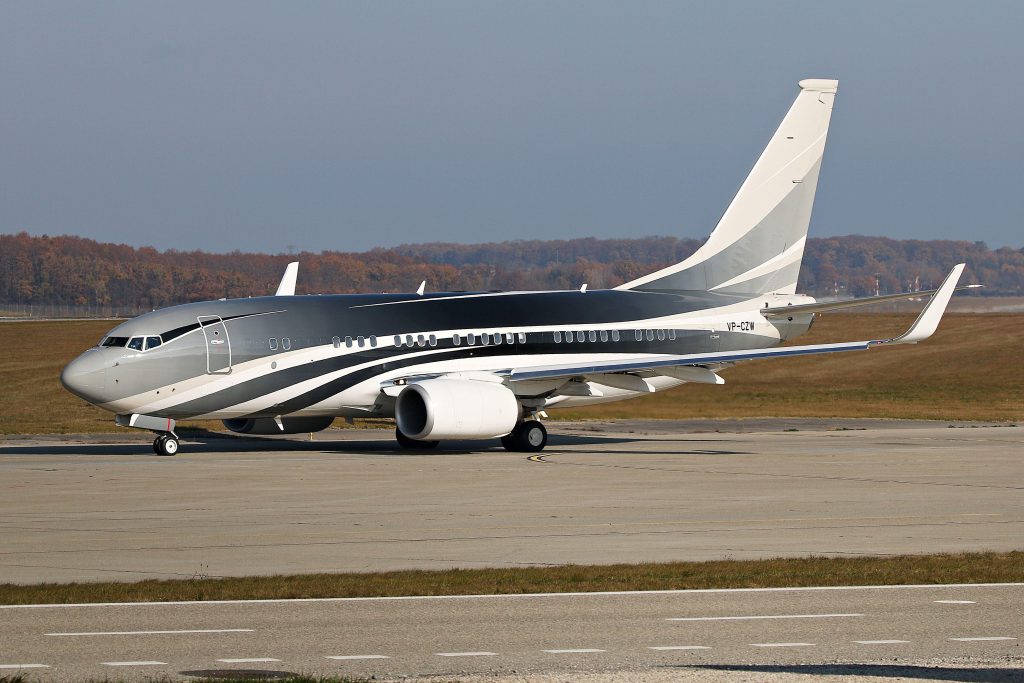
Private jet ownership has been a symbol of luxury and convenience for high-net-worth individuals and businesses worldwide. However, as concerns about climate change and environmental sustainability continue to grow, governments have implemented various taxes and regulations to address the environmental impact of private aviation. In this legal guide, we will explore the environmental taxes that private jet owners may encounter, helping them navigate their responsibilities and optimize their tax position in an era of increased environmental awareness.
- Introduction to Environmental Taxes on Private Jets
Environmental taxes on private jets are designed to mitigate the environmental impact of air travel, particularly in terms of carbon emissions, fuel consumption, and noise pollution. These taxes vary significantly by jurisdiction, with some countries and regions implementing stringent regulations on private jet operations, while others offer tax incentives for adopting more environmentally-friendly practices.
As private jets contribute a disproportionate amount of carbon emissions relative to commercial aviation, governments are increasingly focusing on this sector to reduce its ecological footprint. In this context, private jet owners must not only comply with the legal requirements but also assess their tax liabilities related to environmental factors.
- Key Environmental Taxes Affecting Private Jet Owners
The following are some of the primary environmental taxes that private jet owners should be aware of when operating their aircraft.
- Carbon Emissions Taxes
One of the most significant environmental taxes affecting private jet owners is the carbon emissions tax. This tax is levied based on the amount of carbon dioxide (CO2) emitted by the aircraft during flight, which is directly related to the type of fuel used and the aircraft’s efficiency. The global aviation industry has been under increasing pressure to reduce its greenhouse gas emissions, and many countries have implemented carbon taxes to incentivize more sustainable practices.
- European Union Emissions Trading System (EU ETS): Under the EU ETS, private jets operating within the European Economic Area (EEA) are subject to carbon taxes based on their emissions. The EU ETS requires operators to buy carbon allowances for the emissions generated by their flights. While commercial airlines typically handle these costs, private jet owners must also ensure they comply with the EU ETS by purchasing the necessary allowances for their flights within the region.
- Carbon Taxes in Other Jurisdictions: Many countries outside of the EU, including Canada and the United States, are considering or have already implemented carbon taxes for private aviation. These taxes are typically calculated based on the aircraft’s fuel consumption and emissions. In jurisdictions like California, private jet operators are required to comply with specific greenhouse gas regulations, and emissions are taxed based on the aircraft’s fuel usage.
- Aviation Fuel Taxes
Aviation fuel taxes are another significant environmental tax affecting private jet owners. These taxes are generally imposed on the purchase of aviation fuel, and the amount varies depending on the jurisdiction and the type of fuel used. The taxes are designed to encourage the use of more environmentally-friendly fuels, and private jet owners may face higher taxes if they continue to use conventional jet fuel that is more harmful to the environment.
- International Aviation Fuel Taxation: In many countries, aviation fuel is subject to excise taxes, with varying rates depending on the fuel type. Conventional jet fuel, typically derived from fossil fuels, is taxed at higher rates than biofuels or sustainable aviation fuels (SAFs). This provides an incentive for private jet owners to switch to greener fuels, as they may benefit from reduced fuel taxes.
- U.S. Fuel Taxation: In the United States, aviation fuel is generally exempt from federal excise taxes when used for non-commercial purposes, such as private jet operations. However, individual states may impose their own taxes on aviation fuel, particularly for flights that originate and terminate within state borders. Additionally, some states offer tax credits or exemptions for the use of environmentally-friendly fuels, such as biofuels or SAFs.
- Fuel Tax Exemptions and Credits: In some regions, private jet owners can benefit from fuel tax exemptions or credits if they use cleaner, more sustainable fuels. For example, in some U.S. states, private jet owners who opt for SAFs may be eligible for tax rebates or reductions in fuel taxes, further incentivizing the adoption of greener aviation fuels.
- Noise and Environmental Impact Taxes
Private jets can also generate noise pollution, particularly during takeoff and landing, which contributes to the environmental impact of aviation. To address this issue, certain countries and regions have imposed noise-related taxes or fees on aircraft, including private jets. These taxes are typically higher for aircraft that exceed specific noise threshold limits, encouraging the adoption of quieter and more efficient aircraft technologies.
- Noise Abatement Fees: Some airports, particularly in densely populated or environmentally sensitive areas, charge noise abatement fees for private jets that exceed certain noise limits. These fees are designed to offset the negative impact of noise pollution on local communities. For instance, airports in the United States, the European Union, and other countries may charge higher landing and takeoff fees for aircraft that are not equipped with modern, quieter engines.
- Environmental Impact Taxes: Beyond noise, some regions impose additional taxes on aircraft based on their overall environmental impact. These taxes may be levied on private jets that exceed specific emissions or fuel consumption thresholds. Similar to carbon emissions taxes, these environmental impact taxes aim to encourage private jet owners to adopt more fuel-efficient and sustainable aircraft technologies.
- Environmental Incentives for Private Jet Owners
While environmental taxes on private jets are becoming more common, many countries and regions also offer incentives to encourage owners to reduce their environmental impact. These incentives may take the form of tax credits, rebates, or exemptions, designed to offset the cost of adopting greener technologies or fuels.
- Tax Credits for Sustainable Aviation Fuels (SAFs)
Many countries offer tax incentives for private jet owners who opt for sustainable aviation fuels (SAFs), which are considered to have a lower carbon footprint compared to conventional jet fuels. SAFs can be made from a variety of feedstocks, including waste oils, agricultural products, and even algae, and they are increasingly being promoted as a key solution to reducing aviation emissions.
Private jet owners who use SAFs may be eligible for tax credits or deductions that reduce the overall cost of fuel. For example, the U.S. government has implemented tax incentives for SAF production, and certain states offer rebates for private jet operators who use SAFs instead of traditional jet fuel. These incentives can significantly lower the financial burden of transitioning to greener fuel options.
- Grants and Rebates for Aircraft Upgrades
Some countries offer grants or rebates for private jet owners who invest in technologies designed to reduce the environmental impact of their aircraft. These can include grants for purchasing fuel-efficient engines, retrofitting aircraft with carbon-capture technologies, or upgrading avionics to improve operational efficiency.
For instance, the European Union has launched programs to support the transition to more sustainable aviation practices, offering funding for aircraft retrofits that reduce fuel consumption and emissions. Private jet owners who are willing to invest in such upgrades may be able to reduce their tax liabilities through these government programs.
- Green Aircraft Certifications
Private jet owners may also benefit from green certifications or environmental labels, which can provide access to tax credits or reduced landing fees. Some airports and countries offer lower taxes or reduced fees for aircraft that meet specific environmental standards. For instance, private jets that meet the International Civil Aviation Organization’s (ICAO) environmental standards may be eligible for reduced taxes or preferential treatment at certain airports.
- International Tax Considerations
Since private jet owners often operate their aircraft in multiple countries, it’s important to understand the international tax landscape concerning environmental taxes. Many countries are working together to harmonize their environmental regulations through international agreements and organizations like the International Air Transport Association (IATA) and the International Civil Aviation Organization (ICAO).
- Double Taxation Agreements (DTAs)
Private jet owners who operate internationally may be subject to double taxation if they are taxed on environmental factors in both their home country and the countries where they fly. To avoid this, many countries have entered into double taxation agreements (DTAs) that allow private jet owners to claim credits for taxes paid in foreign jurisdictions. These agreements can help reduce the financial burden of complying with multiple environmental tax regimes.
- Conclusion
Environmental taxes on private jets are an important consideration for owners in today’s increasingly eco-conscious world. From carbon emissions taxes to aviation fuel taxes and noise pollution fees, private jet operators must navigate a complex regulatory environment. However, there are also numerous incentives available for those who take steps to reduce their environmental impact, including tax credits for using sustainable aviation fuels and grants for upgrading to more efficient aircraft technologies.
By staying informed about the evolving environmental tax landscape and taking advantage of available incentives, private jet owners can reduce their tax liabilities, promote sustainability in aviation, and contribute to the global effort to combat climate change.


