


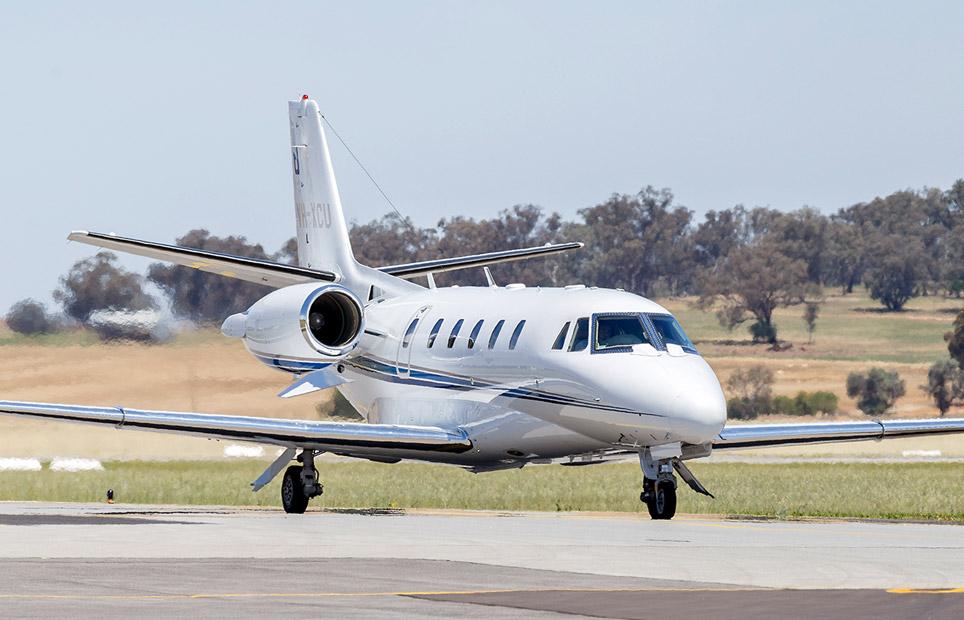
Private jet ownership, while offering many advantages in terms of flexibility, privacy, and business efficiency, also brings with it a complex web of tax considerations. For private jet owners, understanding the differences between federal and state tax laws is crucial to minimizing tax liabilities and ensuring full legal compliance. This legal overview will help owners navigate both federal and state tax regulations, highlighting the key distinctions and practical strategies to optimize tax management.
- The Basics of Federal vs. State Tax Laws for Private Jet Owners
The tax framework surrounding private jet ownership is governed by a combination of federal and state tax laws. While the federal government imposes certain taxes on private jets, states have their own tax regulations that can vary significantly depending on the location. Understanding these laws and how they interplay is essential for optimizing tax planning and minimizing liabilities.
Federal Tax Laws: At the federal level, there are specific taxes imposed on private jet ownership, including excise taxes, fuel taxes, and deductions related to depreciation. These taxes are uniform across the United States and are governed by federal regulations such as those administered by the Internal Revenue Service (IRS).
State Tax Laws: States, on the other hand, have the authority to impose their own taxes on private jet owners. These taxes can include sales taxes on the purchase of the jet, property taxes based on the value of the aircraft, and use taxes depending on where the aircraft is primarily based or used. Unlike federal taxes, state tax laws can vary widely, with some states offering tax exemptions or reductions to incentivize private jet ownership.
- Federal Excise Taxes: A Primary Consideration
One of the key federal taxes affecting private jet owners is the federal excise tax, which applies to both the purchase and operation of the aircraft. This excise tax is applied under the Internal Revenue Code (IRC) and has several components:
- Fuel Tax: Federal fuel taxes are levied on jet fuel, and the rates can be significant depending on the amount of fuel consumed. Private jet owners must account for fuel taxes when budgeting for the cost of flying, as these taxes are typically paid by the aircraft operator. The federal government applies these taxes to both commercial and private aviation operations, though the rates for private jet owners may vary based on the aircraft’s use.
- Passenger Excise Tax: Another important tax for private jet owners, particularly those who operate their aircraft for charter purposes, is the passenger excise tax. This tax is assessed on the purchase price of tickets for passenger flights. If the private jet is used for chartering or commercial purposes, owners must be aware of this tax and ensure that it is properly accounted for in ticket pricing.
- Federal Depreciation Deductions: On the positive side, federal tax law offers private jet owners the opportunity to depreciate the aircraft over time, which can significantly reduce taxable income. The Modified Accelerated Cost Recovery System (MACRS) allows for rapid depreciation of aircraft, providing a valuable tax advantage for business-use jets. Additionally, the Section 179 deduction allows owners to deduct the full cost of the aircraft in the year of purchase, provided the jet is used more than 50% for business purposes.
- State Sales and Use Taxes: How They Differ Across Jurisdictions
While the federal government imposes excise taxes, sales and use taxes are primarily regulated at the state level. These taxes are among the most significant for private jet owners and vary significantly from one state to another.
- Sales Tax: When purchasing a private jet, many states impose a sales tax based on the purchase price of the aircraft. This can result in a significant added expense for buyers. However, some states, such as Delaware, Nevada, and Florida, have more favorable tax laws that reduce or eliminate sales tax for private jet purchases. This is particularly beneficial for high-net-worth individuals or companies looking to make a significant investment in aviation.
- Sales Tax Exemptions: Certain states offer sales tax exemptions for aircraft that are used for business purposes or are based outside of the state. For example, if a private jet is used predominantly for business travel, owners may be able to qualify for exemptions or reduced sales tax rates. It is important to carefully structure the purchase and usage of the aircraft to ensure that these exemptions apply.
- Use Tax: In addition to sales tax, many states impose a use tax on aircraft. Use tax is typically levied when an aircraft is brought into a state for use, and it can apply even if the jet was purchased in another state where sales tax was not charged. Owners should be aware of these taxes, especially when the aircraft is used in multiple jurisdictions.
- Property Taxes on Private Jets: State-Level Implications
After the purchase of the private jet, many states impose an annual property tax on the aircraft. This tax is typically based on the market value of the aircraft and is assessed by the local jurisdiction where the jet is primarily based. The tax rates and exemptions for property taxes on private jets vary widely by state.
- States with Favorable Property Tax Laws: Some states, such as Florida, Nevada, and South Dakota, are known for having lower property tax rates for aircraft, making them attractive locations for registering private jets. These states also tend to have business-friendly tax environments and minimal aviation taxes, which can provide significant cost savings for aircraft owners.
- States with High Property Taxes: On the other hand, states like California and New York tend to impose higher property taxes on private jets, which can lead to higher annual operating costs for owners who choose to base their aircraft in these locations. In these cases, careful planning is required to determine if registering the jet in a more favorable tax state could result in tax savings.
- Tax Planning Strategies: Many owners of private jets choose to register their aircraft in states with favorable property tax laws, even if they do not reside in those states. By keeping the jet based in a tax-friendly state, owners can minimize their property tax exposure. However, this strategy requires a clear understanding of both the home state’s tax laws and the tax laws of the state where the aircraft is based.
- How to Manage the Interaction Between Federal and State Tax Laws
For private jet owners, managing the interaction between federal and state tax laws is critical to ensuring compliance and maximizing tax advantages. Here are some key considerations:
- Business Use vs. Personal Use: One of the primary considerations for tax purposes is whether the aircraft is used for personal or business use. Jets used for business purposes may qualify for tax deductions, depreciation, and exemptions from certain sales or use taxes. However, careful documentation is necessary to substantiate the business use of the jet and avoid potential penalties.
- Tax Jurisdiction and Residency: The state in which the private jet is based plays a key role in determining property tax liability. As mentioned earlier, some states have lower property tax rates for aircraft, while others impose higher taxes. Understanding how your state of residence interacts with the state where the jet is based is crucial to minimizing tax burdens.
- Consulting with Tax Professionals: Given the complexity of both federal and state tax laws, it is essential for private jet owners to work with tax professionals who specialize in aviation taxation. These professionals can provide guidance on structuring the purchase, managing ongoing tax liabilities, and ensuring compliance with both federal and state regulations.
- Key Takeaways for Private Jet Owners
- Federal Taxes: Private jet owners must navigate federal excise taxes, including fuel taxes and passenger excise taxes. Additionally, depreciation and tax deductions can help mitigate the cost of ownership, especially if the aircraft is used for business purposes.
- State Taxes: Sales tax, property tax, and use tax can vary significantly from state to state. States like Delaware, Nevada, and Florida offer tax advantages, while states like California and New York may impose higher taxes.
- Effective Tax Management: Proper tax planning and structuring the aircraft purchase to qualify for exemptions or deductions can significantly reduce the overall tax burden. Consulting with aviation tax experts is crucial for making informed decisions.
By understanding the distinctions between federal and state tax laws and implementing strategic tax planning, private jet owners can optimize their investment and minimize unnecessary tax expenses.


