


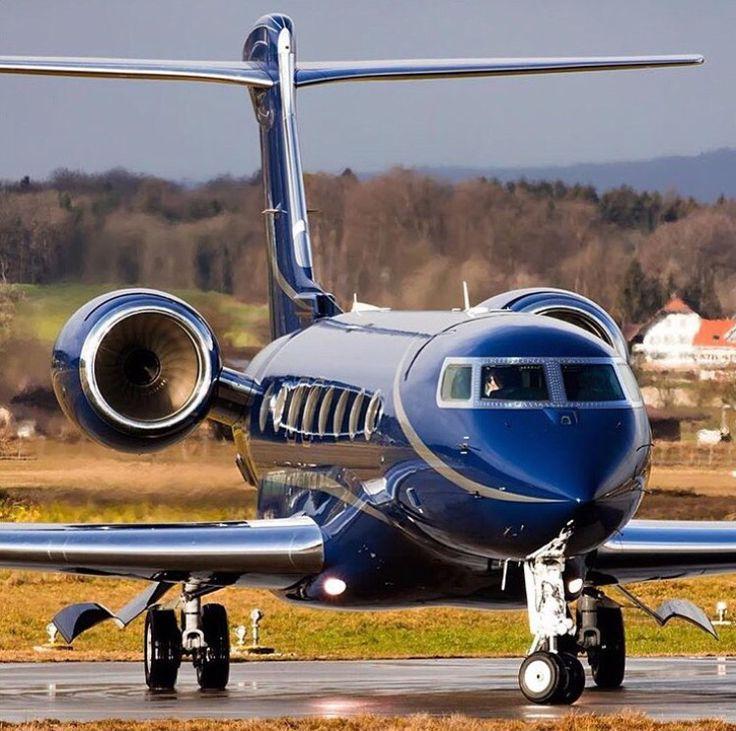
Private jet ownership offers an a very uniqueed level of luxury, convenience, and flexibility. However, it also comes with significant responsibilities, one of the most important being ensuring that the aircraft is adequately insured. Private jet insurance laws are complex and can vary depending on the country, the type of aircraft, and the intended use. Understanding these laws is critical for private jet owners, operators, and passengers to ensure that the aircraft is legally covered and that their interests are protected in case of an accident or incident. This article provides an in-depth look at private jet insurance laws, the different types of coverage, and the factors that influence insurance requirements.
1. The Importance of Private Jet Insurance
Private jet insurance is a legal requirement for all aircraft owners, and it serves to protect both the owner and any third parties from financial loss in the event of an accident. As with any form of aviation, there are inherent risks associated with flying, and insurance provides a safety net to mitigate those risks. The primary purpose of private jet insurance is to cover damage to the aircraft, liability for injuries to passengers or third parties, and damage caused by the aircraft to property or other aircraft.
Without proper insurance, the owner of a private jet could face devastating financial consequences if the aircraft is involved in an accident. Additionally, some aviation authorities, such as the Federal Aviation Administration (FAA) in the United States or the European Union Aviation Safety Agency (EASA), require proof of insurance before an aircraft can be operated legally. Insurance coverage is also required when flying internationally, as many countries require that foreign aircraft meet specific insurance standards before entering their airspace or landing at their airports.
2. Types of Private Jet Insurance
Private jet insurance can be broken down into several categories, each addressing different types of risks. The two primary types of coverage are hull insurance and liability insurance. However, depending on the aircraft’s use and the level of coverage desired, additional insurance products may be necessary. Below are the main types of private jet insurance:
a. Hull Insurance
Hull insurance covers the physical damage to the aircraft itself, whether due to an accident, natural disasters, or other events. Hull insurance is generally divided into two types: all-risk hull insurance and named peril hull insurance.
- All-Risk Hull Insurance: This provides comprehensive coverage for the aircraft, covering nearly any type of damage, including accidents, fire, theft, hailstorms, and vandalism. However, this coverage excludes damages that result from wear and tear, neglect, or improper maintenance.
- Named Peril Hull Insurance: This type of insurance only covers specific risks that are listed in the policy. It is a more limited form of coverage and is typically less expensive than all-risk hull insurance. However, it may not cover as many potential hazards, so it is important to carefully review the policy to understand which risks are covered and which are excluded.
b. Liability Insurance
Liability insurance covers the costs associated with injuries to passengers, crew, or third parties, as well as damage caused by the aircraft to property. This is one of the most important types of insurance for private jet owners, as it protects against the high costs of legal claims and lawsuits that may arise from an accident.
- Passenger Liability: This covers medical expenses and compensation for injuries sustained by passengers in the event of an accident. It may also cover fatalities, depending on the terms of the policy.
- Third-Party Liability: This covers damages to property or other aircraft that result from the operation of the private jet. For example, if the aircraft crashes into a building or causes damage to another aircraft, third-party liability would cover the costs of repairs or compensation.
c. Crew Insurance
Crew insurance is designed to cover the medical expenses and liability risks associated with the crew members on board the private jet. This includes coverage for injuries sustained by the crew during flight, as well as compensation in the event of a fatality. Crew insurance is essential for private jet owners who employ pilots and other personnel to operate the aircraft.
d. Passenger and Crew Medical Insurance
This type of insurance provides medical coverage for passengers and crew in the event of illness or injury while traveling aboard the private jet. Medical evacuation coverage may also be included, providing transportation to a medical facility in case of an emergency. This insurance is often provided as an add-on to the primary hull and liability insurance policies.
e. Non-Owned Aircraft Insurance
Non-owned aircraft insurance is designed for individuals or companies who do not own a private jet but still need to operate one occasionally. This type of insurance is often used by executives, business owners, or other individuals who rent or charter aircraft for specific trips. It covers liability and other risks associated with operating a jet that is not owned by the individual or company.
f. War Risk Insurance
War risk insurance covers damage to the private jet caused by acts of war, terrorism, or sabotage. While most standard insurance policies exclude war-related damage, war risk insurance can be purchased as a separate policy or an add-on. This type of coverage is particularly important for private jet owners who fly internationally or to regions where political instability or conflict may be a concern.
3. Legal Requirements for Private Jet Insurance
Private jet insurance laws are governed by aviation authorities such as the FAA in the United States, EASA in Europe, and other national regulatory bodies. These authorities set minimum insurance requirements for private jet operators to ensure that aircraft meet safety and financial responsibility standards.
a. FAA Insurance Requirements (U.S.)
In the United States, the FAA does not mandate a specific amount of insurance for private jet operators. However, operators must demonstrate that they have sufficient coverage to meet the requirements of the Federal Aviation Regulations (FARs). The FAA requires that private jet operators have insurance coverage that includes both liability and hull insurance. The exact minimum requirements depend on the weight of the aircraft and the type of operation. For example, jets that are used for commercial purposes or charter flights may require more extensive insurance coverage than jets used for personal or business travel.
b. EASA Insurance Requirements (Europe)
In Europe, EASA sets the insurance requirements for private jet owners and operators. Similar to the FAA, EASA does not specify exact dollar amounts for insurance coverage but requires that operators carry sufficient insurance for liability and hull coverage. The minimum coverage requirements are based on the weight of the aircraft, the number of passengers, and the type of operation. In addition, EASA requires that operators provide proof of insurance before flying within European airspace.
c. International Insurance Requirements
When flying internationally, private jet operators must comply with the insurance laws of the country in which they are operating. Many countries require foreign aircraft to meet their insurance standards before being allowed to land, take off, or operate within their airspace. Some countries have bilateral agreements that recognize foreign insurance policies, while others may require additional coverage or specific insurance certifications.
4. Factors Affecting Private Jet Insurance Costs
The cost of private jet insurance can vary widely depending on several factors. Understanding these factors can help jet owners manage costs and select the best insurance options for their needs.
a. Aircraft Type and Size
The type and size of the private jet are significant factors in determining insurance premiums. Larger jets with more advanced technology and greater capabilities typically require more expensive insurance coverage. The cost of insurance will also increase based on the value of the aircraft, as more expensive jets carry higher replacement costs in the event of an accident.
b. Pilot Experience and Qualifications
Insurance premiums are also influenced by the experience and qualifications of the pilot operating the aircraft. Pilots with more experience, advanced certifications, and a proven safety record may qualify for lower insurance premiums. Conversely, pilots with less experience or a history of accidents may face higher premiums.
c. Flight Operations and Use
The way a private jet is used can also impact insurance costs. Aircraft used for commercial purposes, such as chartered flights or business operations, typically carry higher insurance premiums than jets used for personal travel. The frequency and distance of the flights can also affect the cost, as higher flight hours and more frequent flights increase the risk of accidents.
d. Geographic Region
The region in which the private jet is based and operates can also influence insurance costs. For example, flying in areas with higher air traffic or adverse weather conditions may result in higher premiums. Additionally, flights to regions with political instability or frequent natural disasters may trigger higher insurance costs, particularly for war risk coverage.
5. How to Choose the Right Insurance for Your Private Jet
Choosing the right private jet insurance is a critical decision for aircraft owners. Here are some key considerations to keep in mind when selecting coverage:
a. Assess Your Coverage Needs
Start by assessing the specific risks associated with operating your private jet. Consider the type of flights you will be making, the number of passengers, and the geographic regions you plan to fly to. Ensure that your policy covers all potential risks, including liability, hull damage, and medical coverage for passengers and crew.
b. Work with an Experienced Broker
Private jet insurance can be complex, so working with an experienced aviation insurance broker can help ensure that you obtain the right coverage for your needs. A broker can help you navigate the various insurance options and customize a policy that meets legal requirements and provides sufficient protection.
c. Review the Terms and Conditions
Before purchasing a policy, carefully review the terms and conditions to understand what is covered and what is excluded. Pay particular attention to exclusions related to war, terrorism, and other risks that may not be covered under standard policies.
d. Compare Quotes
Insurance premiums can vary significantly between providers. It’s essential to shop around and compare quotes from different insurance companies to ensure that you are getting the best value for your coverage.
6. Conclusion
Private jet insurance is a crucial aspect of owning and operating a private aircraft. Understanding the legal requirements, types of coverage, and factors that influence the cost of insurance will help you make informed decisions and ensure that your aircraft is properly protected. By working with insurance professionals and carefully reviewing your policy options, you can navigate the complexities of private jet insurance laws and enjoy the benefits of private aviation with peace of mind.


