


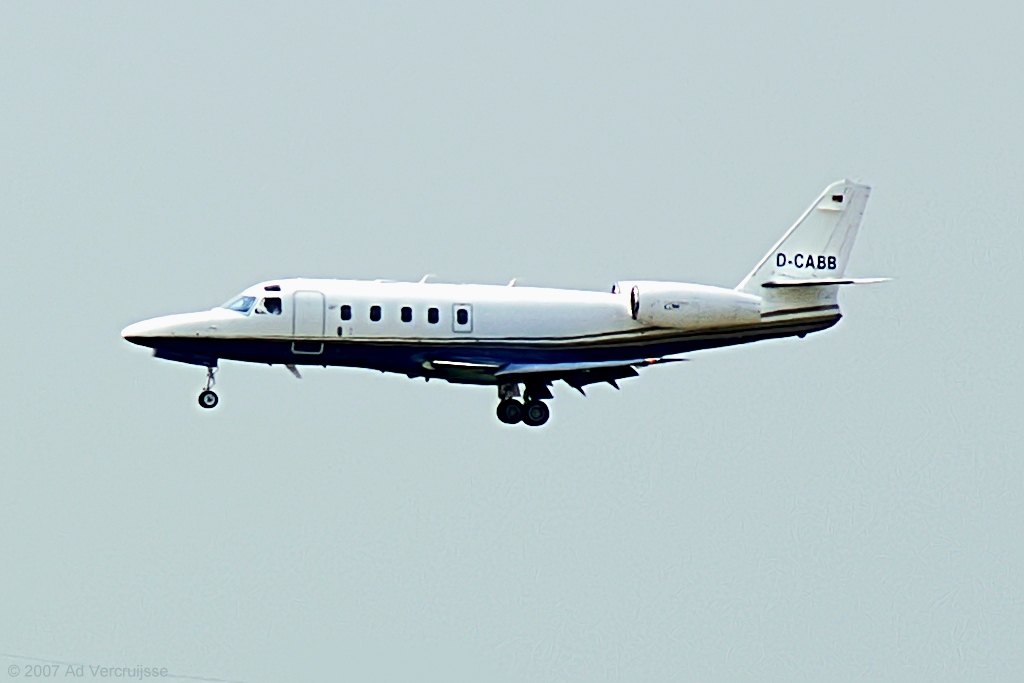
Owning a private jet can provide unparalleled convenience and luxury, but it also brings a set of tax challenges that require careful attention. Private jet tax compliance is a critical aspect of aircraft ownership, and understanding the legal obligations tied to tax deductions, depreciation rules, and multi-jurisdictional tax laws is essential to ensure that you remain on the right side of the law. This guide will walk you through everything you need to know about private jet tax compliance, from general tax principles to more creative legal strategies that can help optimize your tax benefits while keeping you compliant.
Whether you’re a business owner who uses a private jet for travel, a high-net-worth individual, or someone managing a fleet of aircraft, this guide offers valuable insights on how to navigate the complex world of aviation tax compliance.
1. The Importance of Private Jet Tax Compliance
Private jet tax compliance refers to the adherence to all federal, state, and international tax laws and regulations governing the purchase, ownership, operation, and use of private aircraft. This includes adhering to rules for sales taxes, fuel taxes, property taxes, and even more intricate areas like depreciation and business use deductions. Without proper compliance, jet owners can face serious consequences, including penalties, interest, and potentially audits from tax authorities.
Given the high value of private jets and the potential complexity involved in managing taxes, even minor errors in documentation or misapplication of tax benefits can lead to significant financial risks. Compliance is not just about meeting the tax obligations—it’s about ensuring that you’re legally minimizing your tax liabilities wherever possible. Here’s how to navigate the main areas of compliance.
2. Key Tax Areas in Private Jet Ownership
To ensure compliance, it’s crucial to understand the different tax obligations tied to your private jet. Below are the primary areas of concern for jet owners:
- Sales and Use Taxes
Sales and use taxes are among the first taxes private jet owners must address. In the U.S., many states impose sales tax on the purchase price of a jet. However, each state has its own rules for exemptions and tax rates, and some states offer exemptions if the aircraft is used for business purposes or is temporarily based outside the state. Use taxes come into play when the jet is used in another state and may be assessed on the jet’s operation.
Understanding which states provide sales tax exemptions for aircraft purchased for business use or how to navigate interstate use tax rules is essential to ensure compliance and avoid overpaying. Additionally, maintaining clear records of where the jet is used, how often, and for what purpose will help defend your tax positions.
- Property Taxes
Several states assess property taxes on aircraft, which can be a substantial ongoing cost. The key to managing property tax compliance is understanding where the aircraft is domiciled (i.e., where it is primarily based or stored). The place of registration, the jet’s physical location, and how often it operates in a particular state or region all factor into how and where property taxes are applied.
Some states have lower property tax rates, making it more advantageous to base the aircraft there, while others offer tax incentives for jets used primarily for business purposes. In general, maintaining accurate records of the aircraft’s location and business use will help defend against claims of improper tax treatment.
- Federal Aviation Taxes
On a federal level, there are several aviation-specific taxes that jet owners must be aware of, including fuel excise taxes and segment taxes. The federal government imposes an excise tax on aviation fuel, which can vary depending on whether the jet is used for personal or business purposes. Business jets often benefit from fuel tax exemptions, provided they meet the necessary criteria.
Moreover, segment taxes apply to certain commercial aviation services. Even if you’re not flying commercially, understanding how these taxes can affect your operations is crucial for compliance.
- International Tax Compliance
For private jet owners who operate internationally, the tax complexities increase. Different countries impose their own value-added taxes (VAT) on the purchase or leasing of aircraft, and international flights may also be subject to fuel taxes and customs duties. It’s essential to keep track of these taxes, especially when flying to countries that impose VAT on aircraft purchases or services.
When operating internationally, private jet owners must also be aware of aircraft registration rules, customs procedures, and how to file for tax refunds for fuel taxes paid in foreign countries. To navigate these intricacies, many jet owners choose to work with aviation tax professionals who can guide them through these global regulations.
3. Creative Legal Strategies for Tax Compliance
- Structuring Ownership for Tax Efficiency
A key element in managing private jet tax compliance is deciding on the ownership structure of the aircraft. Structuring your ownership through a business entity, such as an LLC, corporation, or partnership, can allow for significant tax advantages. A business entity allows you to claim business-related deductions on operating costs, including fuel, maintenance, and pilot salaries.
An ownership structure through a business can also enable the Section 179 deduction and bonus depreciation to maximize tax benefits, provided the jet is primarily used for business purposes. However, the business must be able to prove that the jet is being used for legitimate business purposes, as personal use may limit these benefits.
- Fractional Ownership
Fractional ownership offers a more affordable way to share the costs of a jet with others while still claiming proportional tax deductions. Through fractional ownership, each party owns a percentage of the jet and has access to a set amount of flight hours. This arrangement allows each owner to claim their share of depreciation and operating costs, based on their use of the aircraft.
One of the benefits of fractional ownership is the ability to claim tax advantages associated with business travel, especially if the jet is used for business purposes. However, it’s crucial that the usage and ownership agreements are structured carefully to ensure compliance with tax regulations.
- Leasing Arrangements for Tax Optimization
Leasing a private jet is another way to structure ownership to achieve tax efficiency. Under a leaseback arrangement, a business or individual sells the jet to a leasing company and then leases it back. This allows the business to claim tax deductions on lease payments, while the leasing company may benefit from depreciation deductions.
Leaseback structures are common in business aviation, where the jet is used for corporate purposes but owned by a separate entity. However, these structures must be carefully planned to ensure they are compliant with tax laws and that the IRS doesn’t recharacterize the lease as a purchase or vice versa.
- Offshore Ownership Structures
For some jet owners, registering their aircraft offshore offers significant tax benefits. Jurisdictions like Bermuda, Cayman Islands, and the Isle of Man offer favorable tax regimes, including sales tax exemptions and low property taxes on aircraft. However, it’s important to consider both the advantages and the compliance obligations associated with offshore ownership.
Offshore registration can help reduce taxes on aircraft purchases and operations, but it introduces additional complexities regarding international reporting requirements, such as compliance with FATCA (Foreign Account Tax Compliance Act) and OECD guidelines. As with any tax strategy, it’s crucial to work with professionals familiar with both domestic and international aviation tax laws.
4. Staying Compliant with Recordkeeping and Documentation
One of the most important elements of tax compliance is accurate recordkeeping. The IRS and other tax authorities require that jet owners maintain detailed records of the aircraft’s usage, location, and operational costs. Flight logs, maintenance records, fuel receipts, and lease agreements are all essential documents that can serve as proof of business use and compliance.
- Business vs. Personal Use Documentation
To ensure compliance, you must keep separate records of business and personal use of the aircraft. The IRS mandates that business use must exceed 50% of total use in order to claim the maximum tax deductions and credits. This requires keeping a flight log that clearly documents each flight, its purpose, and the business or personal nature of each trip. - Accurate Maintenance Records
In addition to flight logs, keeping track of maintenance records is essential for tax compliance, especially if you are claiming deductions on operational expenses. Maintenance records can help substantiate your claims for repairs, upgrades, and depreciation, and they serve as proof that the jet is properly maintained and operational. - Lease and Ownership Documentation
For owners who lease their jets or utilize creative ownership structures like fractional ownership or leasing arrangements, keeping accurate documentation is critical. Lease agreements should outline the terms of usage, the payment structure, and how costs and tax benefits will be shared. Proper documentation also protects against disputes and audits.
5. Conclusion: Ensuring Full Tax Compliance and Maximizing Benefits
Private jet tax compliance can seem daunting due to the complexity of the regulations involved. However, by understanding the key tax areas such as sales and use taxes, property taxes, and aviation fuel excise taxes, you can proactively manage your obligations and avoid costly mistakes. Utilizing creative legal strategies such as structuring ownership through a business entity, fractional ownership, or leasing arrangements can help you optimize tax benefits and ensure that your aircraft is in full compliance with tax laws.
Ultimately, staying organized, keeping meticulous records, and seeking professional advice will allow you to manage your private jet tax compliance with confidence. By carefully navigating tax obligations, you can maximize your tax savings while enjoying the freedom and luxury that comes with private jet ownership.


