


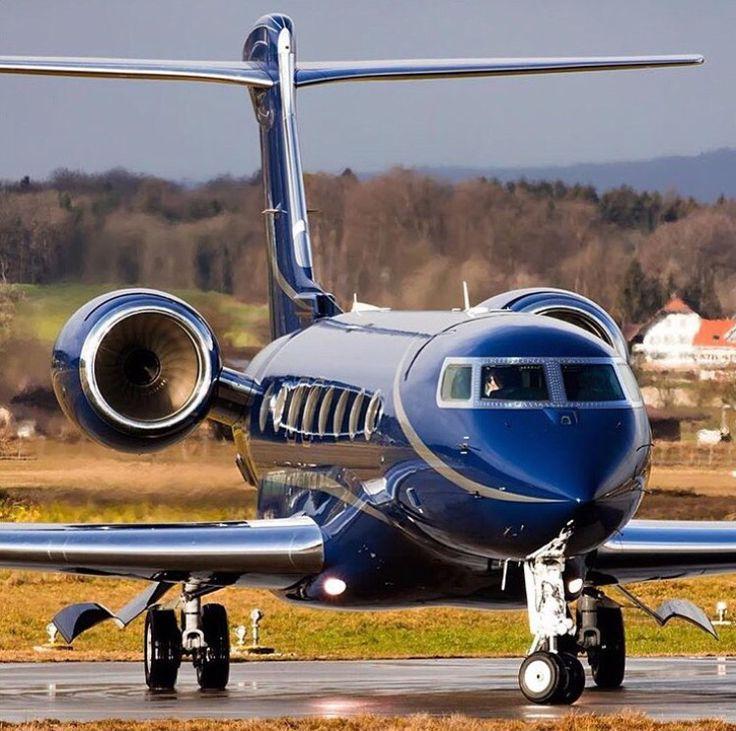
Jet leasing has become an increasingly popular choice for businesses and individuals who need the convenience and luxury of private aviation without the long-term financial commitment of ownership. Whether you’re a business executive looking to travel frequently or a company requiring occasional access to a private jet, leasing offers flexibility and cost-effective solutions that cater to varying travel needs.
In this article, we’ll explore the different types of jet leasing, the associated costs, and how this option can offer the flexibility that many business travelers and organizations require. From understanding the financial implications to identifying the best leasing options for your specific needs, this guide will provide a comprehensive overview of what you need to know before making a decision.
What Is Jet Leasing?
Jet leasing refers to an agreement where an individual or business rents a private jet for a specified period. It allows for the use of an aircraft without the significant upfront costs and responsibilities associated with jet ownership. There are several leasing options available, each offering different levels of service, flexibility, and financial obligations. The key to understanding jet leasing is recognizing that it provides a way to access private aviation on demand while avoiding the long-term commitment and operational responsibilities of owning an aircraft.
The Types of Jet Leasing
Before diving into the costs and flexibility of jet leasing, it’s important to understand the different types of leasing options available. These include:
1. Dry Lease
A dry lease involves leasing an aircraft without a crew. In this arrangement, the lessee is responsible for hiring and paying for the crew, as well as covering the operational costs such as maintenance, fuel, and insurance. Dry leases are typically longer-term agreements, ranging from several months to years, and are best suited for businesses with the resources to manage the aircraft independently.
Pros of a Dry Lease:
- Lower leasing costs compared to a wet lease.
- Full control over the aircraft and its operations.
- Flexibility to customize the aircraft and crew to meet specific needs.
Cons of a Dry Lease:
- Responsibility for hiring and managing the crew.
- Additional costs for maintenance, insurance, and fuel.
- More administrative work to ensure compliance with aviation regulations.
2. Wet Lease
A wet lease includes both the aircraft and the crew, making it a more comprehensive option for those who want to avoid operational responsibilities. With a wet lease, the leasing company provides the aircraft, pilots, and flight attendants, ensuring that the lessee only needs to focus on the flight itself. Wet leases are typically shorter-term agreements, often used for specific trips or seasonal demands.
Pros of a Wet Lease:
- No need to hire or manage a crew.
- Maintenance, insurance, and operational costs are usually included in the lease.
- Ideal for those with limited experience in aircraft management.
Cons of a Wet Lease:
- Higher leasing costs due to the inclusion of the crew and operational services.
- Less control over crew selection and aircraft customization.
- Limited flexibility if specific crew preferences are needed.
3. Charter Lease
A charter lease is similar to a wet lease but typically on a per-flight or short-term basis. This option is perfect for those who need private aviation services for specific trips rather than a long-term commitment. Charter leases are ideal for businesses that occasionally require private jet services but don’t want the responsibility of ongoing lease agreements.
Pros of a Charter Lease:
- Flexibility to book flights on demand.
- No long-term financial commitment or operational responsibilities.
- Ideal for one-time or infrequent travel needs.
Cons of a Charter Lease:
- Higher per-flight costs compared to a dry or wet lease.
- Limited availability during peak times.
- Lack of control over aircraft choice and availability.
Costs of Jet Leasing
Understanding the costs involved in leasing a private jet is essential before entering into any agreement. The total cost of leasing an aircraft can vary significantly depending on several factors, including the type of jet, the lease agreement, and the duration of the lease.
1. Upfront Lease Payments
For both dry and wet leases, an initial payment is typically required. This upfront fee can range from tens of thousands to millions of dollars, depending on the size and type of aircraft. The lease payment is often calculated based on the size of the aircraft, the duration of the lease, and the number of flight hours included in the agreement.
2. Hourly or Per-Flight Costs
In addition to the upfront payment, many lease agreements involve hourly or per-flight charges. These charges are based on the number of hours the aircraft is used during the lease period. The hourly cost can vary depending on the aircraft’s size and model, with larger and more luxurious jets commanding higher rates. For example, leasing a small jet might cost around $2,000 to $3,000 per hour, while leasing a larger jet could cost $10,000 or more per hour.
3. Maintenance and Operational Costs
In a dry lease, the lessee is responsible for covering maintenance and operational costs, which can significantly increase the overall cost of leasing. These expenses include:
- Maintenance: Regular maintenance and inspections are required to keep the aircraft in top condition. Costs can include engine overhauls, avionics upgrades, and routine safety checks.
- Fuel: Fuel is one of the largest operational expenses for private aviation. Fuel costs fluctuate depending on the market price, but typically range from $4,000 to $10,000 per flight, depending on the aircraft.
- Insurance: Aircraft insurance is mandatory and can cost anywhere from $50,000 to $250,000 annually, depending on the value of the aircraft and the scope of coverage.
- Crew Salaries: In a dry lease, the lessee is responsible for hiring and paying the crew. Salaries for pilots and cabin crew can vary, but typically range from $100,000 to $300,000 per year, depending on experience and the type of aircraft.
4. Additional Fees
There are also several additional fees that may be included in a jet lease agreement:
- Landing Fees: Airports charge fees for landing and using their facilities. These fees can vary based on the size of the jet and the airport location.
- Hangar Fees: The cost of storing the jet at an airport or private hangar can range from $1,000 to $10,000 per month, depending on the location and size of the aircraft.
- Crew Per Diem: If the lease includes a crew, the lessee may be responsible for covering the crew’s travel expenses, including meals, hotel accommodations, and transportation.
Flexibility of Jet Leasing
One of the main advantages of leasing a private jet is the flexibility it offers. Unlike jet ownership, which requires a long-term financial commitment and operational responsibilities, leasing allows you to adjust your aviation needs based on your current travel requirements.
1. Customizable Lease Terms
Leases can be customized to meet your specific needs, allowing you to choose the duration, flight hours, and aircraft type. For instance, if your business has fluctuating travel needs, you can opt for a short-term lease or adjust the number of flight hours included in the agreement. Additionally, many leasing companies offer the ability to change aircraft during the lease period, giving you access to different types of jets as your needs evolve.
2. No Long-Term Commitment
Leasing allows for flexibility without the long-term commitment associated with jet ownership. Whether you need a jet for a few months or several years, leasing gives you the freedom to choose the duration of the agreement. This makes leasing an attractive option for businesses with uncertain or fluctuating travel demands.
3. Access to a Variety of Aircraft
Leasing allows you to choose from a wide range of aircraft based on your specific needs for each trip. Whether you require a small, efficient jet for a quick business trip or a large, luxurious aircraft for international travel, leasing companies offer a variety of options. This level of flexibility is not available with ownership, where you are limited to the specific aircraft in your fleet.
4. Avoidance of Ownership Responsibilities
Leasing a jet eliminates the need to deal with the complexities of ownership, such as maintenance, insurance, and crew management. The leasing company typically handles these aspects of the operation, allowing you to focus on your business needs without getting bogged down in the logistical details of managing an aircraft.
Conclusion: Is Jet Leasing Right for You?
Leasing a private jet provides businesses and individuals with a flexible, cost-effective solution to accessing private aviation without the long-term financial commitment and operational responsibilities of ownership. Whether you choose a dry lease, wet lease, or charter lease, understanding the associated costs and benefits is crucial to making the right decision for your travel needs.
Leasing offers a number of advantages, including customizable lease terms, access to a variety of aircraft, and the ability to adjust your aviation needs over time. However, it also comes with its own set of costs, including hourly charges, maintenance fees, and additional operational expenses.
Ultimately, jet leasing may be the best option for those who require occasional or seasonal access to private aviation and want to avoid the complexities of ownership. By carefully evaluating your travel needs and budget, you can make an informed decision and ensure that your private aviation experience is both flexible and cost-efficient.


