


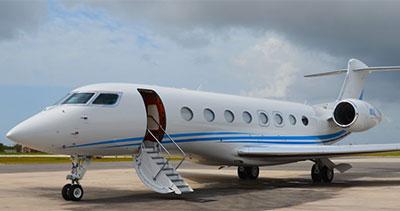
Private jet ownership is not just a symbol of luxury—it also brings with it a complex web of legal and tax implications that owners must navigate to maximize benefits while minimizing liabilities. The allure of owning a private jet is undeniable, offering unmatched convenience, privacy, and flexibility in air travel. However, it is essential to consider the legal and financial responsibilities that accompany such ownership. These considerations go far beyond the cost of purchasing the aircraft; they encompass a wide range of factors, from registration and compliance with aviation laws to tax liabilities and potential deductions.
In this comprehensive analysis, we explore the multifaceted nature of private jet ownership, providing creative insights into how owners can structure their holdings and operations to optimize legal and tax outcomes. Whether you are a high-net-worth individual, a business owner, or an investor, understanding these complexities is crucial for both financial success and long-term sustainability.
- The Legal Framework for Private Jet Ownership
When it comes to private jet ownership, there are several key legal considerations that owners must address. These include everything from registering the aircraft to ensuring compliance with domestic and international aviation laws. By understanding the legal framework, owners can avoid costly mistakes and optimize their ownership structures.
- a) Aircraft Registration and Jurisdictional Considerations
The first legal step in owning a private jet is deciding where to register the aircraft. The jurisdiction in which the aircraft is registered has significant implications for both legal and tax purposes.
Registration in Favorable Jurisdictions: Many private jet owners opt to register their aircraft in jurisdictions that offer favorable tax treatments, such as the Isle of Man, Bermuda, or the Cayman Islands. These jurisdictions often have lower registration fees, streamlined regulations, and more favorable tax structures, making them attractive for international aircraft owners.
Country of Operation and Compliance: In addition to the registration jurisdiction, owners must ensure they comply with the laws of the country in which the aircraft is primarily operated. This includes meeting specific airworthiness standards, ensuring appropriate insurance coverage, and adhering to local safety regulations.
- b) Ownership Structures: Direct vs. Indirect Ownership
Private jet owners often face the decision of whether to hold the aircraft directly or through an intermediary structure, such as a company, trust, or special purpose vehicle (SPV). The choice of structure has significant legal and tax implications.
Direct Ownership: Under direct ownership, the individual or entity that owns the jet is personally responsible for all legal and financial obligations associated with the aircraft. While this structure is straightforward, it may not always be the most tax-efficient, especially for high-net-worth individuals who own multiple luxury assets.
Indirect Ownership: Indirect ownership, typically through an SPV or trust, offers several advantages, including liability protection, greater privacy, and potential tax savings. By using a company to own the aircraft, the owner may be able to take advantage of favorable corporate tax rates, as well as more efficient depreciation and deductions. Additionally, using an SPV can help separate personal assets from the aircraft, reducing exposure to legal risks.
- c) Regulatory Compliance and Aviation Laws
Private jet owners must comply with a wide array of aviation laws at the national and international levels. This includes ensuring that the aircraft meets safety and environmental standards, and that it is used in accordance with the terms of its registration. Failing to comply with these regulations can result in significant fines and even the grounding of the aircraft.
International Aviation Laws: In addition to domestic regulations, private jet owners must be mindful of international aviation laws, such as the International Civil Aviation Organization (ICAO) standards. These laws govern everything from flight operations to maintenance and crew requirements.
Environmental Regulations: Environmental concerns are becoming an increasingly important consideration for private jet owners. As governments around the world tighten environmental regulations, owners must be aware of carbon emissions taxes, sustainable aviation fuel requirements, and potential penalties for exceeding emissions limits.
- The Tax Implications of Private Jet Ownership
Taxation is one of the most significant factors that influence private jet ownership. Owners must navigate a complex landscape of sales taxes, import duties, property taxes, and potential deductions, all of which can vary greatly depending on the country of registration, the aircraft’s usage, and the owner’s structure.
- a) Sales and Use Taxes
One of the first tax considerations when purchasing a private jet is the application of sales and use taxes. These taxes can vary significantly by jurisdiction, with some countries offering exemptions or reduced rates for certain types of aircraft.
Sales Tax Exemptions: In certain jurisdictions, private jet owners may qualify for sales tax exemptions if the aircraft is used for business purposes. For example, in the United States, if the jet is primarily used for business-related travel, it may be exempt from state sales taxes, which can be substantial.
Use Tax: Some jurisdictions impose use taxes on aircraft that are brought into the country from abroad. This tax is typically calculated based on the aircraft’s value and may apply even if the aircraft was not initially purchased in the country.
- b) Depreciation and Deductions
One of the most important tax advantages of private jet ownership is the ability to depreciate the aircraft. Under current tax laws, the owner of a private jet can claim depreciation on the aircraft, which can result in significant tax savings over time.
Accelerated Depreciation: Many countries allow for accelerated depreciation of aircraft, meaning that owners can claim larger deductions in the early years of ownership. In the United States, for example, Section 179 of the IRS Code allows business owners to deduct the full purchase price of an aircraft (up to a certain limit) in the year of purchase, provided the aircraft is used for business purposes more than 50% of the time.
Operating Expenses: In addition to depreciation, owners can typically deduct other operating expenses related to the aircraft, such as maintenance, insurance, crew salaries, and hangar fees. However, these deductions may be subject to strict rules regarding the proportion of business versus personal use.
- c) Tax Considerations for International Owners
For international owners, tax implications become even more complex. Aircraft owners who operate their jets across multiple borders must navigate both domestic and international tax laws, including potential double taxation and VAT (value-added tax) considerations.
Value-Added Tax (VAT): Many countries impose VAT on the purchase of goods and services, including aircraft. However, the rules regarding VAT exemptions and refunds can be complex. In some cases, private jet owners may be able to recover VAT paid on the purchase price of the aircraft if it is used for business purposes.
International Tax Treaties: International tax treaties between countries can help mitigate the risk of double taxation. Owners who operate their aircraft in multiple jurisdictions should be familiar with these treaties and their impact on tax obligations.
- d) Luxury Taxes and Wealth Taxes
As governments around the world seek new sources of revenue, luxury taxes and wealth taxes are becoming more common. Private jet owners, particularly those in high-net-worth brackets, may be subject to additional taxes on the ownership of their aircraft.
Luxury Tax: Some countries impose a luxury tax on high-end items such as private jets. These taxes are typically calculated based on the value of the aircraft and may be levied annually. For example, in France, the government imposes an annual tax on the ownership of private jets.
Wealth Tax: In countries with wealth taxes, such as France and Spain, private jet owners may be required to report the value of their aircraft as part of their total net worth. This can result in higher tax liabilities for those whose wealth exceeds certain thresholds.
- Creative Legal Strategies for Optimizing Private Jet Ownership
To navigate the legal and tax implications of private jet ownership effectively, owners must adopt creative strategies that balance compliance with tax optimization. Below are several approaches that owners can use to maximize the benefits of private jet ownership.
- a) Structuring Ownership through Special Purpose Vehicles (SPVs)
By creating an SPV to own the aircraft, owners can separate the aircraft’s ownership from their personal assets, potentially reducing liability and improving tax efficiency. The SPV can be structured in a way that minimizes taxes and offers additional flexibility in how the aircraft is used.
- b) Leasing Arrangements for Business Use
For business owners, structuring a lease arrangement for the private jet can provide significant tax advantages. By leasing the aircraft to the business, owners can take advantage of business deductions for the costs of operating the jet, while keeping the personal and business uses separate.
- c) Planning for Sustainability
With increasing environmental regulations, adopting a more sustainable approach to private jet ownership can reduce future liabilities. Owners may consider transitioning to sustainable aviation fuel (SAF) or purchasing aircraft that meet stricter environmental standards. These actions can open the door to tax incentives and potentially reduce future tax burdens.
- Conclusion: Navigating the Complex Landscape of Private Jet Ownership
Private jet ownership offers unparalleled convenience and luxury, but it also involves navigating a complex set of legal and tax implications. From aircraft registration to tax deductions, owners must carefully consider a wide range of factors to ensure compliance while maximizing financial benefits. By understanding the legal framework and adopting creative strategies, private jet owners can achieve a tax-efficient and legally sound ownership structure.
For those who are willing to invest time in understanding the intricacies of private jet ownership, the rewards can be substantial—both in terms of tax savings and long-term financial flexibility.


