


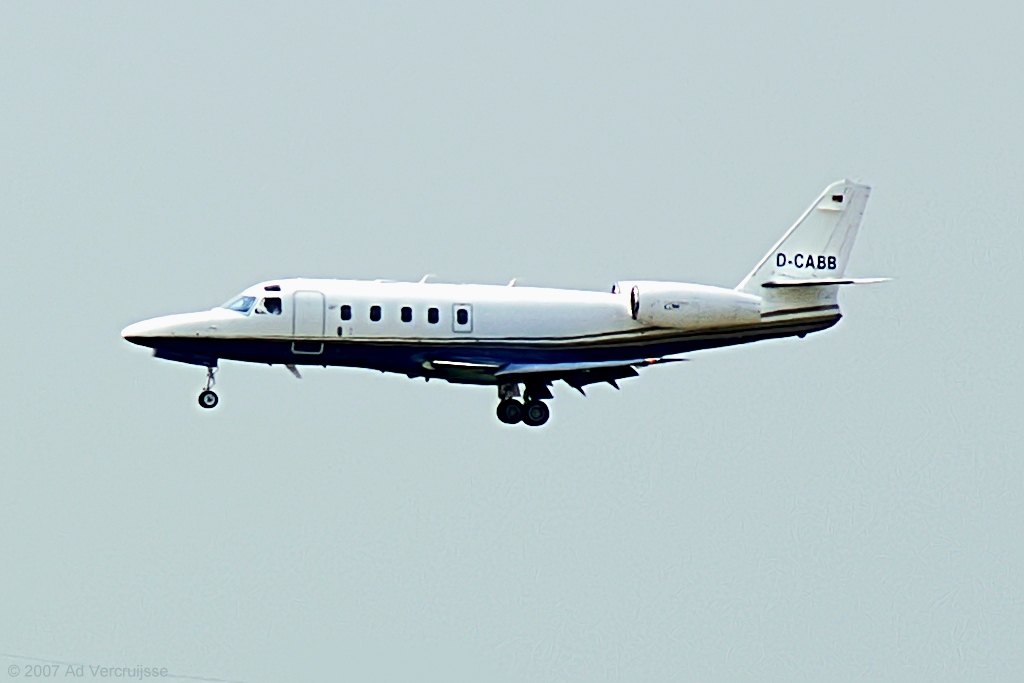
Private jet chartering has become an increasingly popular option for individuals and businesses seeking flexibility and luxury in their travel. However, with this comes a complex layer of taxation that can be challenging to navigate. Understanding the legal implications of private jet charter taxation is crucial for both jet owners and operators, as improper handling of taxes can lead to significant financial liabilities and potential legal penalties.
In this comprehensive guide, we will explore the various tax laws and legal considerations involved in private jet charters. We will discuss the different types of taxes that apply to charter flights, the tax treatment for owners and operators, and the strategies for optimizing taxes while remaining fully compliant with the law.
- The Basics of Private Jet Charter Taxation
Before diving into the details of legal implications, it is important to understand the fundamental taxes that apply to private jet charters. These include excise taxes, sales taxes, use taxes, and other operational taxes that may vary depending on the jurisdiction in which the aircraft operates.
- Federal Excise Tax (FET)
In the United States, the Federal Excise Tax (FET) applies to private jet charters. This tax is assessed on the amount paid for the charter service. The FET rate is generally 7.5%, which is imposed on the amount paid by the customer for the charter flight.
There are some exceptions to this tax, particularly if the flight is for business purposes or if the aircraft is used for certain non-commercial activities. However, the tax is typically applied unless specific exemptions apply, making it one of the key taxes private jet charter operators must navigate.
Optimization Strategy
For businesses using private jets for corporate travel, there are potential ways to minimize FET liability, such as structuring the transaction to reflect the flight as a business rather than a personal flight. Charter operators can help businesses navigate these complexities, ensuring that only qualified business flights are exempt from FET.
- Sales Tax on Private Jet Charters
Sales tax on private jet charters can vary significantly by state or country. In some jurisdictions, charter services may be exempt from sales tax, while others may impose a sales tax on the amount paid for the charter service. The specific rate and applicability depend on where the flight originates and ends.
For instance, in states like California, private jet charters may be subject to sales tax, whereas states like Nevada may offer tax exemptions for business use of aircraft. Additionally, international charter flights can be subject to different sales tax regimes, depending on the destination country.
Optimization Strategy
Operators and jet owners should consult with state-specific tax professionals to determine whether sales tax is applicable to their services. By structuring charter contracts correctly and maintaining accurate records, operators can ensure that they are either exempt from sales tax or compliant with applicable rates.
- Use Taxes
Some jurisdictions impose use taxes on aircraft that are stored or operated within their borders. This means that even if the jet is not purchased or owned in a particular state, if it is used within that state (for instance, stored or operated for charter services), the owner may be liable for use taxes. These taxes can apply to both the owner of the aircraft and the charter operator, depending on the legal structure of the transaction.
Use taxes are generally designed to mirror sales taxes, requiring individuals or businesses to pay for the privilege of using an aircraft within a given jurisdiction.
Optimization Strategy
Understanding the legal residence of the jet and whether use taxes apply is essential for private jet charter operators. By maintaining detailed records of where the aircraft operates and consulting with legal experts, it’s possible to ensure that the correct use taxes are paid only in the relevant jurisdictions.
- Airport Fees and Other Operational Taxes
Charter operators and jet owners should also consider the various airport fees and other operational taxes that come with charter services. These may include landing fees, handling fees, fuel surcharges, and other costs associated with operating an aircraft. These fees are typically imposed by airport authorities and vary by location.
In many cases, these operational taxes are separate from FET and sales tax but still play a role in the overall cost structure for charter flights.
Optimization Strategy
To minimize operational costs, jet owners and charter operators should negotiate with airports and service providers for lower handling fees and fuel surcharges. Additionally, understanding where the majority of the flight operations occur can help identify areas with lower operational taxes or discounted fees.
- The Legal Framework Governing Private Jet Charter Taxation
The legal structure surrounding private jet charter taxation is governed by a combination of federal, state, and international laws. Owners and operators must understand how these legal frameworks intersect to ensure they are in full compliance with all applicable rules.
- Federal Tax Laws in the United States
The Internal Revenue Service (IRS) regulates many aspects of private jet charter taxation in the U.S. The IRS has clear guidelines on deductions, excise taxes, and business use of aircraft.
For example, if the private jet is used for business purposes, certain expenses, including maintenance, fuel, and pilot salaries, can be deducted from taxable income. However, there are also restrictions on what constitutes valid business use, and improper classification of personal use as business use could lead to significant penalties.
Optimization Strategy
Ensure that the charter business maintains comprehensive records of all flights, including flight logs, maintenance schedules, and business vs. personal flight distinctions. Consulting with aviation tax experts can help ensure that business use deductions are properly applied.
- State-Specific Tax Laws
State laws play a significant role in private jet charter taxation. Sales taxes, use taxes, and aircraft property taxes are often imposed by state governments. States like California, Texas, and Florida all have differing rules regarding private jet charters.
For example, in Florida, charter operators may be able to avoid sales tax by structuring the transaction as a nontaxable service under certain conditions. In contrast, California applies a sales tax to charter flights unless the aircraft is used primarily for business purposes.
Optimization Strategy
Understanding the tax implications in each state where the jet operates is crucial. Charter operators should work with tax professionals familiar with the laws of each state to structure flights in a tax-efficient manner and avoid unnecessary tax liabilities.
- International Tax Considerations
For international private jet charter operations, jet owners and operators must also navigate international tax laws. For example, charter flights originating from the U.S. and flying to Europe may be subject to VAT (Value-Added Tax) in some European countries. The VAT rate varies by country and can be a significant cost for passengers.
International agreements, such as the Chicago Convention and bilateral tax treaties between countries, also influence the tax treatment of international charter flights. These treaties may provide exemptions or reduced rates of tax for specific types of flights.
Optimization Strategy
International operators must stay informed about the tax treaties between the home country and the countries in which they operate. Understanding the nuances of VAT and other international taxes can help operators minimize costs for international charter flights.
- Tax Optimization Strategies for Charter Operators
Now that we’ve covered the legal landscape surrounding private jet charter taxation, let’s explore some strategies for optimizing taxes while ensuring full compliance.
- Structuring Aircraft Ownership for Tax Benefits
One of the most effective ways to reduce tax liabilities is through the proper structuring of aircraft ownership. By forming an LLC, S-corporation, or trust, private jet owners and operators can take advantage of tax deductions and ensure that they are classified as a business rather than as a personal jet.
Additionally, structuring ownership in a jurisdiction with favorable tax laws (such as Nevada or Delaware) can help reduce property taxes, sales taxes, and other operational taxes.
- Consulting with Aviation Tax Experts
Given the complexity of private jet charter taxation, working with an aviation tax expert is essential. These professionals can help you navigate the specific regulations related to excise taxes, sales taxes, business deductions, and operational tax strategies.
A tax expert can also assist with international tax compliance and help you structure ownership in a way that maximizes tax benefits while maintaining compliance with all laws.
- Accurate Record-Keeping and Documentation
Accurate and detailed flight records, maintenance logs, and tax filings are essential for both compliance and optimization. Keeping thorough records ensures that you can support any deductions, exemptions, or claims made during tax filings.
- Conclusion: Navigating Private Jet Charter Taxation
Private jet charter taxation can be a daunting task due to its complexity and the numerous factors that influence tax liability. However, by understanding the various types of taxes, staying compliant with legal requirements, and implementing effective tax strategies, private jet owners and operators can optimize their financial position and reduce unnecessary tax burdens.
By working closely with aviation tax experts, structuring ownership wisely, and maintaining detailed records, charter operators can minimize tax liabilities and ensure long-term success in the private aviation industry.


