


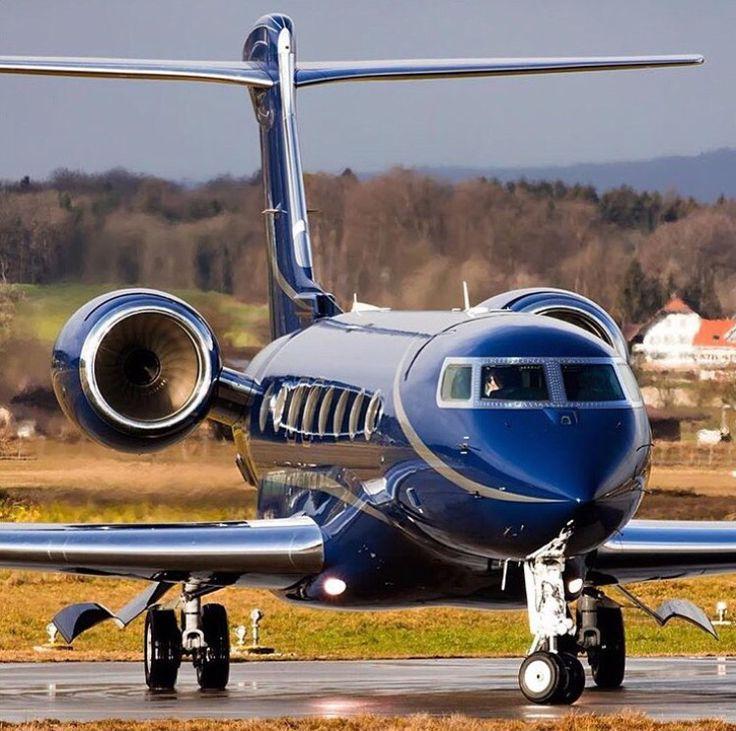
Flying on a private jet offers a level of luxury and comfort that commercial airlines simply can’t match. However, before you can take off and enjoy all the exclusive amenities that come with private air travel, there’s a rigorous preflight process that ensures safety, efficiency, and a smooth flying experience.
The private jet preflight process involves several meticulous steps, from aircraft inspections to fuel checks, crew coordination, and safety briefings. This process not only guarantees the safety of the flight but also sets the stage for a seamless and enjoyable experience for passengers.
In this article, we will walk you through the comprehensive preflight procedure that takes place before every private jet takeoff, shedding light on the crucial aspects of ensuring a smooth, comfortable, and safe flight. From the moment you step onto the tarmac to the moment you lift off, a lot happens behind the scenes. Here’s everything you need to know about the preflight process for private jets.
1. Aircraft Inspection: Ensuring Safety and Readiness
The first and most important step in the private jet preflight process is the aircraft inspection. This inspection ensures that the jet is in optimal condition and ready for flight. Unlike commercial airlines, which follow standard procedures governed by large, centralized companies, private jet operators typically take an even more personalized approach, with the aircraft’s crew performing thorough checks.
Exterior Checks
Before anything else, the flight crew will inspect the exterior of the jet to check for any visible damage or abnormalities. This includes:
- Checking the wings for any cracks or dents.
- Ensuring the engines are clear of debris or obstructions.
- Inspecting the landing gear, tires, and brakes for wear and tear.
- Examining the fuel tanks to ensure no leaks or contamination.
- Verifying that the control surfaces (such as the rudder and ailerons) are in working order.
These inspections are crucial for detecting potential issues that could affect the safety and performance of the jet.
Interior Checks
Once the exterior is cleared, attention shifts to the interior of the aircraft. The crew will check various components inside the cabin, including:
- Cabin systems such as heating, ventilation, and air conditioning (HVAC).
- Ensuring that communication equipment like radios and GPS systems are functioning properly.
- Verifying that all safety equipment (life vests, oxygen masks, fire extinguishers, etc.) is in place and fully operational.
- Testing the lighting inside the cabin, making sure all emergency lighting works as expected.
- Inspecting cargo compartments to ensure everything is secure for flight.
These comprehensive checks guarantee that the cabin is ready for passengers and that all systems are operational for a smooth flight.
2. Fueling the Aircraft: A Critical Step
The next critical part of the preflight process is fueling the private jet. Proper fueling ensures that the aircraft has enough fuel for the flight while maintaining safety margins for potential delays, diversions, and unforeseen circumstances.
Fuel Quantity and Quality Check
Private jets are usually fueled according to their specific flight plans, with enough fuel to cover the expected journey, alternate airports, and extra reserves for unplanned scenarios. A fueling technician will check the fuel levels in each tank, ensuring that they meet the necessary requirements.
- Fuel quality is just as important as quantity. A technician will often sample the fuel for contamination, checking for water or other impurities that could damage the engines. This is particularly crucial because jet fuel can be contaminated during storage or transportation, which could lead to serious mechanical failures during the flight.
Fuel Distribution
Once the fuel has been checked for quality and quantity, it is distributed evenly across the aircraft’s fuel tanks. This is crucial for maintaining the jet’s balance and ensuring that fuel is properly utilized during the flight. A fuel technician ensures that each tank is filled according to the aircraft’s requirements, guaranteeing a safe and efficient journey.
3. Flight Planning and Weather Briefing
Once the aircraft is ready, the flight crew turns their attention to the flight planning process. For private jets, the flight plan is often more flexible than that of commercial airlines, but it still requires a thorough review of several key factors.
Route Planning
Flight planning starts with defining the route from the departure airport to the destination. For private jets, pilots can avoid busy air corridors and plan more direct routes, leading to time savings. This process involves reviewing airspace restrictions, preferred flight routes, and any potential detours.
Additionally, flight planning also includes selecting the best altitudes for the flight to avoid turbulence, storms, or other airspace hazards.
Weather Forecasting
One of the most critical parts of flight planning is reviewing the weather forecast. A private jet pilot will analyze weather conditions along the entire route to identify any potential issues such as:
- Thunderstorms or lightning near the departure or destination airports.
- Turbulence areas or jet streams that could affect the flight.
- Wind conditions that could influence fuel efficiency and flight time.
- Temperature variations that could impact aircraft performance.
Private jet pilots can also take advantage of real-time weather updates during the flight, allowing them to adjust their route and altitude as needed. This flexibility ensures that the flight remains as smooth and safe as possible.
4. Crew Briefing: Coordination and Communication
The flight crew, including the pilot, co-pilot, and flight attendants, will then undergo a preflight briefing to ensure that everyone is on the same page. This meeting covers everything from the flight route and weather conditions to passenger requirements and safety protocols.
Coordinating Roles
The pilot and co-pilot will coordinate their responsibilities, confirming flight plans, reviewing emergency procedures, and ensuring both are prepared for any contingencies during the flight. Flight attendants will also be briefed on passenger preferences, special requests, and the in-flight services required, ensuring a seamless experience for all passengers.
Safety Protocol Review
Safety is always the top priority in aviation, and private jet flights are no exception. Before takeoff, the crew will review safety procedures, ensuring they are ready to handle any emergency situations. This includes fire drills, evacuation procedures, and other emergency responses, all aimed at maintaining a safe environment for passengers.
5. Passenger Preparation and Boarding
While much of the preflight process occurs behind the scenes, the passenger experience begins as soon as they arrive at the private terminal or fixed-base operator (FBO). Private jets offer a level of exclusivity that commercial airlines can’t provide, with a seamless, personalized experience from start to finish.
Check-in Process
At a private terminal, passengers can bypass long lines and crowded waiting areas. Check-in is quick, as there’s no need to wait for security screenings or baggage checks. Passengers simply provide their travel information and boarding pass, and they’re ready to board the jet.
Security Checks
Though private aviation typically has more relaxed security procedures than commercial airports, passengers are still subject to certain security checks. These checks are handled discreetly and efficiently to ensure minimal disruption to the travel experience. This may include verifying identification, scanning carry-on items, and sometimes brief security screenings.
Boarding and Pre-Flight Briefing
Once on board, passengers are greeted by the flight attendants, who will provide a personalized briefing on the flight, including any special services, safety protocols, and comfort features available on the aircraft. Private jets often offer a range of luxury amenities, including plush seating, entertainment options, gourmet food, and more, making the preflight process not only efficient but enjoyable as well.
6. Final Checks and Pushback
As the aircraft is ready for departure, the final checks are performed. These may include verifying that all systems are functioning, confirming that no last-minute adjustments are needed, and ensuring that the aircraft is properly loaded and balanced.
Once everything is in place, the aircraft is cleared for pushback, and the flight crew receives final authorization from air traffic control (ATC) to taxi and take off. The plane then begins its journey down the runway, ready to take flight.
Conclusion: A Seamless Preflight Process for a Smooth Journey
While commercial flights are often subject to strict schedules and regulations, the private jet preflight process is personalized, flexible, and thorough. From detailed aircraft inspections and weather forecasting to crew coordination and passenger care, each aspect of the preflight process ensures that every journey is safe, smooth, and enjoyable.
Understanding the meticulous steps involved in preparing a private jet for takeoff gives passengers a greater appreciation for the effort that goes into making their flight a seamless experience. Whether you’re flying for business or leisure, rest assured that the private jet preflight process is designed with safety, efficiency, and comfort in mind.


