


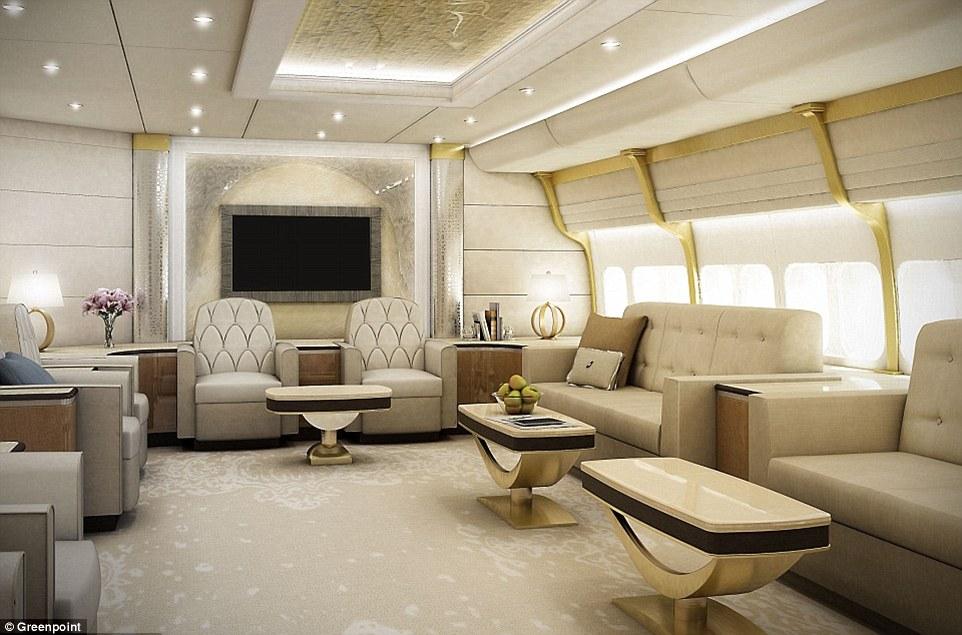
Luxury private jets offer an a very uniqueed travel experience, combining comfort, privacy, and style. Yet, behind the scenes, there’s an essential task that ensures every flight is as luxurious as possible, the cleaning process. The importance of maintaining cleanliness on a private jet cannot be overstated. It goes beyond just wiping down surfaces; it involves a thorough cleaning regimen that ensures passengers board a pristine, comfortable, and hygienic environment each time they fly. But what does it take to clean a luxury jet after each flight? This process is more intricate and detailed than you might imagine.
In this article, we will explore the comprehensive steps involved in cleaning a private jet. From a simple tidying up to a deep clean, we’ll dive into the essential aspects of jet cleaning, the tools and techniques used, the schedule of maintenance, and the role of professional cleaning teams. We’ll also look at how the cleanliness of a private jet contributes to the overall passenger experience, safety, and longevity of the aircraft.
1. Understanding the Importance of Cleanliness in Private Jets
Before we delve into the specifics of cleaning a luxury jet, it’s essential to understand why cleanliness is so crucial. Private jets are not just modes of transportation; they are luxurious spaces designed to offer an exclusive, comfortable, and sanitary environment. For those who use private jets, cleanliness is an integral part of their experience. Whether it’s the plush leather seats, the polished wood paneling, or the fully equipped bathrooms, every element must be spotless to meet the high standards expected by passengers.
Cleanliness on a private jet also contributes to safety and health. Aircraft cabins are high-traffic areas, and maintaining proper hygiene is crucial in preventing the spread of germs and bacteria. A thorough cleaning ensures the proper functioning of all systems, avoids unpleasant odors, and helps maintain the overall integrity of the interior materials.
2. Preparing for the Cleaning Process
The cleaning process begins the moment the plane lands. As soon as the passengers disembark, the cleaning team is ready to step in. The first task is to assess the current state of the jet. This involves walking through the cabin to identify areas that need immediate attention. A luxury jet’s interior is complex, with a combination of soft furnishings, hard surfaces, and high-tech equipment. Each of these areas requires a specific cleaning approach to maintain its condition.
Cleaning teams are often highly trained professionals who understand the intricacies of handling such delicate spaces. They follow a strict protocol to ensure every aspect of the aircraft is cleaned correctly and efficiently. The cleaning process is typically done in stages, and the team works quickly to ensure the jet is ready for its next flight.
Tip: Having a dedicated cleaning crew that specializes in aircraft ensures that no details are overlooked, and the jet is spotless, inside and out.
3. Surface Cleaning and Sanitization
One of the most important aspects of cleaning a luxury jet is sanitizing surfaces. This includes everything from the armrests and tray tables to door handles and light switches. High-touch areas, such as the seat belts, headrests, and counters, need to be cleaned and disinfected after every flight to ensure that germs are not transferred from one passenger to the next.
For luxury jets, cleaning products must be carefully selected. Harsh chemicals can damage the high-end materials used in the cabin, such as leather, wood, and delicate fabrics. Therefore, the cleaning crew uses specialized cleaning agents that are safe for use on these materials but still effective in killing bacteria and viruses.
Tip: Using eco-friendly cleaning products is a growing trend in private jet cleaning, ensuring the environment is protected while still maintaining the highest standards of cleanliness.
4. Upholstery and Carpet Care
The upholstery and carpets in a luxury jet are among the most challenging areas to clean. Not only are they prone to stains and spills, but they also require careful handling to preserve their appearance and texture. Depending on the type of fabric or leather, different cleaning methods are used to ensure the materials remain in top condition.
For fabric upholstery, deep cleaning is often required, which involves using specialized steam cleaners and upholstery cleaning machines. These tools remove dirt, stains, and allergens from the fabric without damaging the fibers. Leather upholstery, on the other hand, requires a gentler approach. Soft, non-abrasive cloths and cleaning solutions are used to wipe down the surfaces, followed by conditioning to prevent the leather from drying out or cracking.
Carpets are also cleaned using a combination of vacuuming and deep cleaning methods. High-traffic areas of the cabin may require more frequent cleaning to remove dirt and dust that can accumulate. Specialized carpet cleaners are used to freshen the carpets and remove any embedded dirt or stains.
Tip: Regular cleaning and conditioning of the upholstery and carpets not only keep the jet looking pristine but also extend the life of these high-end materials.
5. Cleaning the Galley and Restrooms
The galley (kitchen area) and restrooms on a private jet are perhaps the most critical areas that require extra attention. In the galley, any food or drink remnants must be cleaned up promptly. Surfaces, countertops, and appliances must be thoroughly disinfected to maintain a hygienic environment for preparing and storing food. Any utensils, glassware, or dishes used during the flight must be washed and sanitized, and the fridge or cooler should be restocked with fresh supplies as needed.
The restrooms on luxury jets are equipped with high-end fixtures, sinks, and sometimes even showers. These areas require special attention to ensure they are clean and free from any unpleasant odors. Toilets must be sanitized, and the floors and counters should be wiped down and disinfected after each flight. Towels, toiletries, and other amenities should be replenished to ensure everything is in place for the next passengers.
Tip: A clean galley and restroom are essential to maintaining the luxury standard of private jet travel and ensuring passengers’ comfort and hygiene.
6. Air Filtration and Ventilation Systems
Private jets are equipped with advanced air filtration and ventilation systems that are designed to keep the cabin air fresh and clean. These systems ensure that the air is constantly circulated and that it remains free of contaminants. However, these systems require regular maintenance to function at optimal levels.
Cleaning the air filtration system involves replacing or cleaning the filters that trap dust, dirt, and other particles. The ventilation ducts are also inspected to ensure there are no blockages or buildup that could affect airflow. A well-maintained air filtration system is essential for creating a fresh and comfortable environment inside the jet.
Tip: Regularly cleaning and maintaining the air filtration systems not only contributes to the cleanliness of the cabin but also ensures that passengers breathe fresh, clean air during their flights.
7. Final Touches
Once the main cleaning tasks are completed, the final touches are what truly elevate the jet to its luxurious standard. This includes polishing hard surfaces, such as the cockpit controls, seatbelt buckles, and metal accents, to restore their shine. Any glass surfaces, including windows and mirrors, are cleaned to perfection, ensuring that the cabin looks immaculate.
In addition to the physical cleaning, the cabin is often restocked with fresh amenities, such as premium snacks, drinks, and reading materials. Fresh flowers and other decorative touches are sometimes added to enhance the ambiance and make the cabin feel inviting and luxurious.
Tip: Attention to detail in the final stages of cleaning is what sets luxury jet cleaning apart. Every inch of the cabin must be spotless and thoughtfully prepared for the next passengers.
8. Post-Cleaning Inspection and Quality Control
After all cleaning tasks are completed, the jet undergoes a final inspection to ensure that nothing has been overlooked. A quality control team checks every area of the jet, from the cabin to the cockpit, to confirm that it meets the highest standards of cleanliness and luxury. Any discrepancies are addressed immediately, and the cleaning crew may make additional adjustments as needed.
Tip: Many private jet owners and operators require a thorough inspection checklist to ensure that every aspect of the aircraft is cleaned to perfection before the next flight.
Conclusion
Cleaning a luxury jet after each flight is a meticulous and highly specialized process that involves several key steps. From sanitizing high-touch surfaces to maintaining the upholstery and galley, every part of the aircraft must be cleaned and inspected to ensure it meets the highest standards of luxury, hygiene, and comfort. The cleaning process is essential not only for maintaining the aircraft’s appearance but also for ensuring the safety and well-being of its passengers. With professional cleaning teams and attention to detail, private jets are kept in pristine condition, ready to offer their passengers an unforgettable flying experience, every time they take off.


