


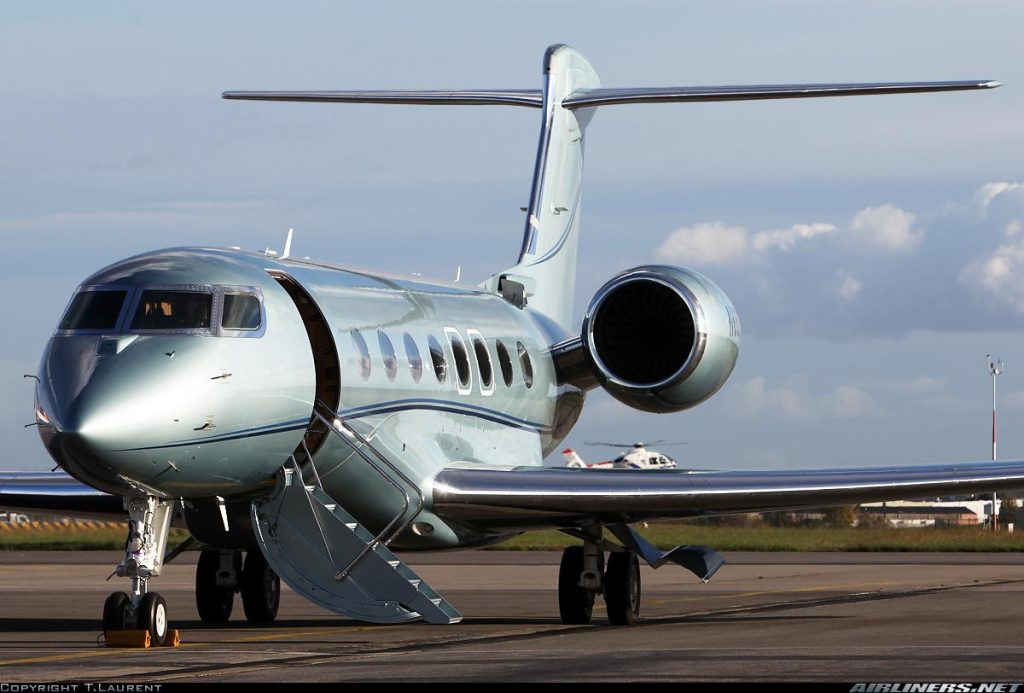
The world of private jets is constantly evolving, driven by the latest advancements in technology, sustainability, and passenger expectations. As we look ahead to the next 20 years, there is much to be excited about in terms of how private jets will change. From the integration of cutting-edge technologies like artificial intelligence and autonomous flight to the growing demand for eco-friendly designs and personalized luxury features, the future of private aviation promises to be both innovative and transformative. In this article, we will explore what private jets will look like in 20 years, focusing on the key trends shaping the industry, the technologies that will define these aircraft, and the passenger experience that will become a hallmark of the future.
1. The Rise of Autonomous Flight
The most exciting development on the horizon for private jets is the advent of autonomous flight. Over the next two decades, the aviation industry is expected to make significant strides in autonomous technology, with the possibility that private jets will no longer need human pilots. While fully autonomous commercial flights are still years away from becoming a reality, private jets are likely to lead the way in this field.
Autonomous jets will be equipped with advanced AI, machine learning, and sophisticated sensors that allow them to navigate, communicate with air traffic control, and respond to changing conditions without human intervention. These aircraft will be capable of handling all aspects of flight, from takeoff to landing, with minimal human oversight. The transition to autonomous flight could offer a number of benefits, including increased safety, efficiency, and cost savings. Without the need for pilots or flight crews, private jet owners may see a reduction in operational costs, making private aviation more affordable and accessible.
Autonomous aircraft will also reduce the risk of human error, which is a major factor in many aviation accidents. AI will be able to process vast amounts of data in real time, making faster and more accurate decisions than even the most experienced pilots. Additionally, autonomous systems will be able to monitor the aircraft’s health, diagnosing potential issues before they become problems, and ensuring that the jet remains in optimal condition.
2. Eco-Friendly Innovations
As the demand for sustainability grows across industries, private jets are following suit with eco-friendly innovations. In 20 years, we can expect private jets to be significantly more environmentally friendly, with a focus on reducing carbon emissions and minimizing the environmental impact of air travel.
One of the key technologies driving this transformation will be electric and hybrid-electric propulsion systems. These systems are already in development, and within two decades, we could see fully electric or hybrid-electric private jets becoming more common. These aircraft will offer a cleaner, quieter alternative to traditional jet engines, reducing greenhouse gas emissions and dependence on fossil fuels.
Electric jets have the potential to revolutionize the way we think about air travel. They will be able to operate on shorter routes with zero emissions, and the reduced reliance on jet fuel will make them more cost-effective to operate in the long run. Hybrid-electric propulsion systems, which combine conventional jet engines with electric motors, are also expected to play a significant role in the future of private aviation. These systems will allow jets to fly longer distances while still maintaining a low environmental footprint.
In addition to cleaner propulsion systems, private jets will also incorporate eco-friendly materials into their designs. Lightweight, sustainable materials like carbon fiber and advanced composites will be used to reduce the overall weight of the aircraft, improving fuel efficiency and reducing emissions. The interiors of future jets will also reflect the growing demand for sustainability, with eco-conscious materials and energy-efficient technologies becoming standard features in cabin design.
3. Advanced Passenger Experience
The future of private jet travel will not only be about technological advancements but also about enhancing the passenger experience. Over the next 20 years, private jets will become even more luxurious, with personalized amenities and services that cater to the unique needs and preferences of passengers.
One of the most exciting innovations will be fully customizable interiors. Today, private jet owners can already personalize their aircraft to some extent, but in the future, jet interiors will be completely customizable, from the layout to the materials used. Using virtual reality (VR) and augmented reality (AR) technology, passengers will be able to design their ideal cabin environment before stepping on board. Whether it’s choosing the color scheme, selecting the furniture, or adjusting the lighting, future private jets will offer an a very uniqueed level of customization.
The advancement of smart technology will also play a major role in shaping the passenger experience. Future private jets will be equipped with intelligent systems that allow passengers to control various aspects of their environment, such as cabin temperature, lighting, and entertainment, using voice commands or mobile apps. AI-powered assistants will be available to help passengers with anything from booking in-flight meals to adjusting seating positions, creating a seamless and personalized experience.
Moreover, the future of private jets will bring more comfort and relaxation to passengers. Advanced seating designs will provide ultimate comfort, with reclining chairs, massage functions, and even sleep pods for long-haul flights. Future jets may feature spacious cabins with separate sleeping areas, meeting rooms, and lounges, making it easier for passengers to work, relax, or entertain while in the air.
4. Hyper-Connectivity and In-Flight Technology
In the next two decades, the connectivity options available on private jets will be vastly improved. Passengers will expect to stay connected during their entire flight, whether for business or leisure. In-flight Wi-Fi will become faster and more reliable, with satellite-based internet systems offering high-speed connectivity even over remote areas.
Private jets will also feature cutting-edge entertainment systems, allowing passengers to stream movies, music, and TV shows in ultra-high-definition quality. Advanced in-flight communication systems will allow passengers to make phone calls, video conference, or even conduct business meetings without interruption. The incorporation of holographic displays, virtual meetings, and immersive entertainment technologies will take the in-flight experience to a whole new level.
One of the most exciting possibilities is the integration of 5G technology. With 5G connectivity, passengers will experience near-instantaneous communication and faster internet speeds, making it possible to stream live events, participate in virtual reality experiences, or hold high-definition video conferences with little to no lag.
5. Faster and More Efficient Aircraft
Speed and efficiency will be key considerations for private jets in the next 20 years. As technology advances, we can expect private jets to become even faster, reducing travel time and allowing passengers to reach their destinations more quickly. Supersonic jets, which are capable of flying faster than the speed of sound, are already in development and could become a common feature of private aviation in the near future.
These jets will be able to travel at speeds of Mach 2 or higher, cutting flight times by half or more. For example, a flight from New York to London, which typically takes around 7 hours on a commercial flight, could be completed in just 3-4 hours with a supersonic private jet. This speed will be especially valuable for business executives and high-net-worth individuals who value their time and need to travel long distances quickly.
In addition to supersonic jets, we can expect to see significant improvements in the fuel efficiency of future private jets. Advances in aerodynamics, lightweight materials, and propulsion systems will make private jets more efficient, reducing fuel consumption and costs. These improvements will also help to reduce the environmental impact of private aviation, making it more sustainable and cost-effective in the long term.
6. The Emergence of Urban Air Mobility
Urban air mobility (UAM) is another trend that will likely impact private aviation in the next 20 years. UAM refers to the use of small, electric vertical takeoff and landing (eVTOL) aircraft for short trips within cities or between urban centers. These aircraft are designed to take off and land vertically, similar to helicopters, but with the added benefit of being electric and environmentally friendly.
In the future, private jet owners may use eVTOL aircraft for quick commutes to and from airports, bypassing traffic and reducing the time it takes to reach their private jets. These aircraft will be able to land on rooftops or specially designed helipads, offering greater convenience and accessibility in urban environments. As UAM technology matures, these aircraft could become a common feature of private aviation, providing fast and efficient transportation for high-net-worth individuals.
7. Conclusion
The future of private jets is filled with exciting possibilities. In 20 years, we can expect to see autonomous aircraft that offer enhanced safety, efficiency, and cost savings, eco-friendly propulsion systems that help reduce the environmental impact of air travel, and luxurious interiors that can be fully customized to meet the needs and preferences of passengers. With advancements in connectivity, speed, and efficiency, private jets will become faster, more convenient, and more accessible than ever before. As the aviation industry continues to innovate, the next two decades promise to bring about a transformative era in private jet travel, one that is defined by cutting-edge technology, sustainability, and an a very uniqueed passenger experience.


