


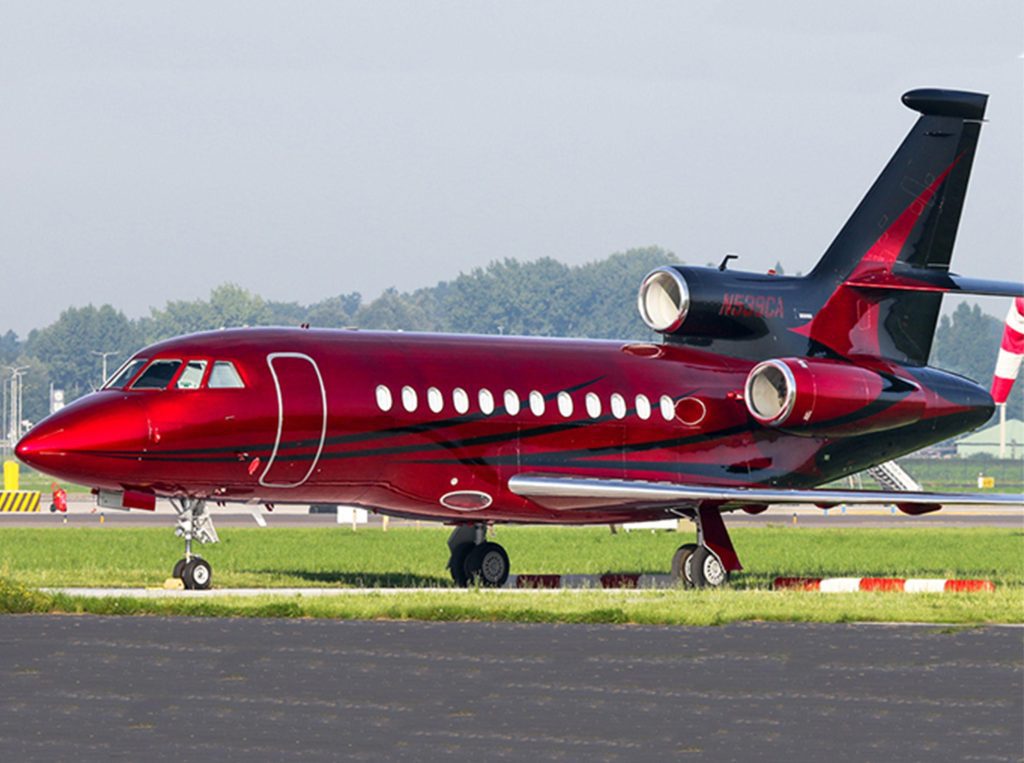
Owning a private jet is a dream for many, offering a very uniqueed luxury, convenience, and efficiency in travel. However, the reality of jet ownership involves much more than simply purchasing an aircraft. The financial commitment of owning a jet goes far beyond the initial purchase price. It encompasses a wide range of ongoing expenses, from maintenance and fuel costs to crew salaries, insurance, and hangar fees. Understanding these costs is crucial before deciding to make such a significant investment.
In this article, we’ll provide a comprehensive breakdown of what you need to know about the financial commitment of jet ownership. Whether you’re considering purchasing your first jet or you’re a seasoned owner looking to get a better grasp of your expenses, this guide will offer valuable insights into the true cost of ownership.
1. The Initial Purchase Price
The first and most obvious financial commitment when owning a private jet is the purchase price. Private jets come in a wide range of sizes, models, and price points. The cost of purchasing a jet can vary dramatically based on its age, brand, size, and features. For example, a light jet may cost as little as $2 million, while a larger, fully-customized aircraft can exceed $70 million or more.
A light jet, suitable for shorter regional trips with fewer passengers, typically ranges from $2 million to $10 million. Midsize jets, which can carry more passengers and travel longer distances, generally cost between $10 million and $20 million. Larger jets, such as super-midsize and heavy jets, can range from $20 million to $70 million or more.
It’s also important to consider customization options when purchasing a jet. Many owners opt to personalize their aircraft with luxury interiors, advanced technology, and other high-end features. Customizations can add anywhere from $500,000 to $5 million to the overall cost of the jet.
While the initial purchase price is a significant factor, it’s just the beginning of the financial commitment required for jet ownership.
2. Financing Your Jet
If you’re not paying for your jet outright, financing is another option. The financing terms for private jets can vary, and the amount you pay each month will depend on the purchase price, the size of your down payment, and the interest rate on the loan.
Typically, private jet loans have interest rates ranging from 4% to 7%. A 10-year loan term is common, but the length of the loan may vary depending on your financial situation. The size of your down payment will also influence your loan terms. A larger down payment will reduce your monthly payments and the total interest paid over the life of the loan.
Financing a jet is a significant commitment, and it’s essential to understand how it will impact your long-term financial situation. You’ll need to factor in both monthly payments and the cost of interest when considering how much you can afford.
3. Depreciation of the Jet
Just like any other vehicle or asset, a private jet depreciates over time. On average, private jets lose value at a rate of 5% to 10% per year, with the most significant depreciation occurring within the first few years of ownership. After 10 years of ownership, the value of the jet can decrease by 30% to 50%, depending on the aircraft’s model, usage, and overall condition.
Depreciation is important to consider, especially if you plan to resell your jet in the future. If you intend to keep the jet for a long time, depreciation may not be as much of a concern. However, if you plan to sell the jet in the next few years, be prepared for the possibility that you may not recoup your original investment.
4. Crew Salaries and Training
To operate a private jet safely and legally, you’ll need to hire a skilled crew, including pilots, co-pilots, and flight attendants. These personnel are responsible for ensuring the safety and comfort of passengers, handling all aspects of flight operations, and providing top-tier service on board.
The cost of hiring and retaining a crew can vary depending on the size of your jet and how frequently you fly. A captain can earn between $100,000 and $200,000 per year, while co-pilots typically make between $60,000 and $100,000 annually. Flight attendants, who provide in-flight services such as catering, ensure passenger comfort, and handle emergency situations, earn between $40,000 and $70,000 per year.
In addition to salaries, you’ll need to account for crew training and certification costs. Pilots and other crew members must undergo regular training to stay current on safety protocols, flight regulations, and emergency procedures. Crew training and certification updates can cost tens of thousands of dollars each year.
It’s important to note that if you own a large jet or operate your jet frequently, you may need a larger crew, which will increase your overall personnel costs.
5. Maintenance and Upkeep
Maintaining a private jet is critical to ensuring that it remains in airworthy condition. Regular maintenance helps prevent costly repairs, ensures the safety of passengers, and preserves the value of the jet over time. Routine maintenance includes inspections, repairs, parts replacements, and system upgrades.
On average, jet owners spend between $100,000 and $500,000 annually on maintenance, depending on the type of jet and how often it is flown. Jets that are used more frequently require more regular servicing. Maintenance costs can also increase as the jet ages. For example, older jets may require more frequent engine overhauls, avionics upgrades, and other repairs.
In addition to regular maintenance, there are often unexpected repair costs that can arise. For instance, if a major component like an engine or airframe needs to be replaced, it can cost hundreds of thousands of dollars. Because of these potential expenses, it’s important to set aside a maintenance fund to cover these costs.
6. Fuel Costs
Fuel is one of the largest ongoing expenses for jet owners. The amount of fuel your jet consumes depends on factors such as the size of the aircraft, the distance flown, and the number of passengers on board. On average, private jets burn between 100 and 500 gallons of fuel per hour of flight time.
The price of jet fuel fluctuates, but on average, it costs between $4 and $8 per gallon. Smaller jets will spend between $600 and $2,000 per hour on fuel, while larger jets can rack up fuel costs of $10,000 or more per flight. If you regularly fly long distances or operate your jet for business purposes, fuel costs can add up quickly.
7. Hangar and Storage Fees
Private jets require a secure and climate-controlled space to be stored when not in use. Hangar fees depend on the size of the jet, the location of the airport, and the level of service provided. For a smaller jet, hangar fees can range from $1,000 to $3,000 per month, while larger jets can incur hangar fees of $10,000 or more per month.
In addition to the standard storage fees, there may be additional charges for services such as cleaning, maintenance, or fueling. You may also need to account for the cost of storing spare parts or other equipment related to the operation of your jet.
8. Insurance Costs
Insuring your private jet is essential to protect it from potential risks such as accidents, damage, theft, and liability. The cost of jet insurance depends on several factors, including the value of the jet, how often it is flown, and where it is based.
On average, private jet insurance can cost between $20,000 and $100,000 per year. Larger jets or those used for business purposes may incur higher premiums. It’s important to work with a specialized insurance broker to ensure that your coverage meets all your needs, including liability coverage and protection for passengers.
9. Miscellaneous Costs
In addition to the major expenses outlined above, there are several other costs that come with owning a jet. These include:
- Landing Fees: Airports typically charge landing fees based on the size of the aircraft and the airport’s location. Landing fees can range from $100 to $3,000 per landing.
- Catering Costs: Providing gourmet meals and beverages for passengers can add thousands of dollars to your travel costs. Catering fees vary depending on the level of service you require.
- Crew Expenses: In addition to crew salaries, you may need to cover travel costs, accommodation, and per diem expenses for crew members.
- Legal and Tax Fees: Owning a jet involves navigating various legal and tax obligations, which may require professional legal and accounting assistance.
Conclusion
The financial commitment of owning a private jet is substantial, with costs that extend far beyond the initial purchase price. Maintenance, fuel, crew salaries, insurance, and other operational expenses can add up quickly, making jet ownership a significant investment. Before purchasing a private jet, it’s essential to carefully consider your financial situation and assess whether the benefits of owning an aircraft outweigh the costs. Whether you’re flying for business or pleasure, owning a jet offers unmatched convenience and luxury, but it’s important to understand the financial responsibilities that come with it.


