


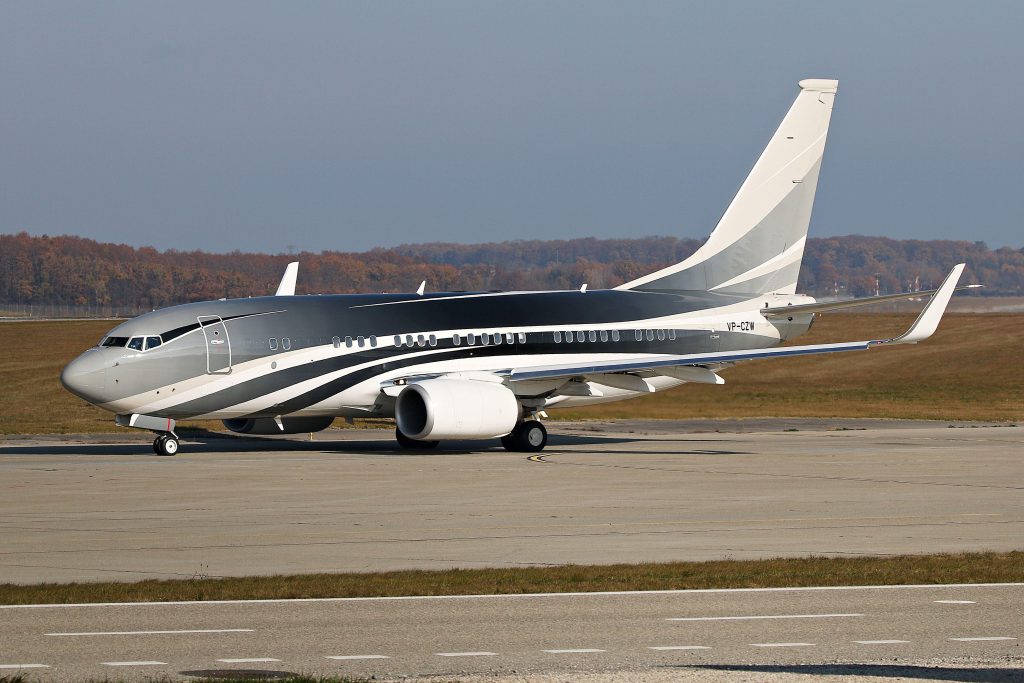
Private jet travel has long been associated with luxury, exclusivity, and efficiency. However, as technology continues to evolve and the demands of travelers shift, private aviation is undergoing a transformation that promises to revolutionize the way we think about air travel. In this article, we explore what’s next for private jet travel, from sustainable aviation fuel to advancements in connectivity and comfort, and how these innovations are shaping the future of luxury flying.
- Sustainable Aviation Fuel (SAF): The Future of Green Aviation
As environmental concerns continue to rise, the private aviation industry is actively seeking ways to reduce its carbon footprint. One of the most promising innovations on the horizon is the widespread use of Sustainable Aviation Fuel (SAF). SAF is a renewable alternative to traditional jet fuel that can be produced from a variety of sustainable sources, such as plant-based oils, algae, and waste materials.
Unlike conventional jet fuel, SAF significantly reduces greenhouse gas emissions and is considered a key solution for achieving net-zero emissions in aviation. Several private jet operators are already incorporating SAF into their fleets, and the demand for this eco-friendly fuel is expected to grow in the coming years.
While SAF is still more expensive than traditional jet fuel, advancements in production technology and economies of scale are expected to make it more affordable in the future. As more private jet companies invest in SAF, it will play a critical role in making private aviation more sustainable and environmentally responsible.
- Electric and Hybrid-Electric Aircraft: A New Era of Eco-Friendly Flying
Electric and hybrid-electric aircraft are poised to revolutionize private aviation in the coming decades. These aircraft utilize electric propulsion systems, which reduce or eliminate the need for traditional jet fuel, making them more environmentally friendly and cost-efficient. While fully electric private jets are still in the early stages of development, several companies are working on prototypes that could redefine air travel.
Electric aircraft, such as those being developed by companies like Joby Aviation and Vertical Aerospace, are expected to offer short-range, efficient flights that are ideal for regional travel. These aircraft are designed to be quieter and cleaner than traditional jet engines, making them an attractive option for passengers who want to minimize their carbon footprint while enjoying the convenience of private aviation.
Hybrid-electric aircraft, which combine both electric and traditional jet engines, are expected to offer greater range and flexibility. These aircraft could bridge the gap between electric aircraft and traditional private jets, providing passengers with an eco-friendly option for longer journeys. As the technology matures, electric and hybrid-electric private jets could become commonplace in the industry, reducing the environmental impact of private aviation.
- Supersonic Jets: The Future of Faster Air Travel
Supersonic air travel has long been a dream of aviation enthusiasts, and it is now closer than ever to becoming a reality. Supersonic jets are capable of traveling at speeds greater than the speed of sound, which would dramatically reduce flight times. For example, a flight from New York to London, which typically takes around 7 hours, could be completed in just 3.5 hours with a supersonic jet.
Several companies, including Boom Supersonic and Aerion, are developing supersonic jets that will cater to both commercial and private travelers. These jets are designed to not only offer faster travel but also provide a high level of luxury and comfort for passengers. The ability to reach destinations in half the time will revolutionize the way we approach long-distance travel, allowing business executives and luxury travelers to maximize their time at their destination.
Despite the excitement surrounding supersonic jets, there are challenges to overcome. Noise pollution, particularly the sonic boom caused by supersonic travel, has been a major concern for regulatory authorities. However, advancements in noise-reduction technology are helping to address these issues, and it’s likely that supersonic travel will be regulated and normalized in the near future.
- In-Flight Connectivity: The Rise of Seamless Wi-Fi and Entertainment
In today’s hyper-connected world, passengers expect seamless Wi-Fi and entertainment options during their flights, and private jet travel is no exception. The future of private jet travel will see even greater advancements in in-flight connectivity, with faster, more reliable internet access and an expanded range of entertainment options.
High-speed satellite-based Wi-Fi is already available on many private jets, and new technologies are being developed to improve the speed and reliability of internet connections. Passengers will be able to stream movies, attend virtual meetings, and access cloud-based files without interruption. In the future, we can expect to see even more advanced connectivity features, such as real-time video conferencing, augmented reality, and other immersive experiences.
Personalized entertainment systems will also continue to evolve, offering passengers the ability to choose from an extensive library of movies, TV shows, and music. Customizable lighting, temperature control, and seating arrangements will further enhance the overall in-flight experience, making private jet travel more comfortable and enjoyable than ever before.
- AI-Powered Personalization: The Future of Customizing Your Flight
Artificial intelligence (AI) is set to play a significant role in the future of private jet travel. AI-powered systems will allow passengers to personalize every aspect of their flight experience, from the food and beverages served to the entertainment options and even the mood of the cabin. AI can learn passengers’ preferences over time and tailor the experience accordingly, creating a highly personalized and seamless journey.
For example, AI could recommend the perfect meal based on a passenger’s dietary preferences or past choices. It could also adjust the cabin lighting and temperature to suit a passenger’s comfort level. In the future, AI assistants may even anticipate a passenger’s needs before they are expressed, providing a level of service that is both intuitive and efficient.
The integration of AI into the private jet experience will extend beyond the cabin as well. AI-powered flight planning tools will help optimize routes, minimize fuel consumption, and reduce delays. This level of efficiency will not only enhance the passenger experience but also contribute to reducing the environmental impact of private aviation.
- The Growing Demand for On-Demand and Shared Services
The future of private jet travel will also see a continued rise in the popularity of on-demand and shared services. These services allow travelers to book private jets on a per-flight basis, without the need for full ownership or long-term commitments. On-demand private jet services, such as those offered by companies like JetSuite, Wheels Up, and VistaJet, provide flexibility and cost savings for travelers who don’t need to own a private jet but still want the convenience and luxury of private aviation.
Fractional jet ownership and jet cards are also gaining popularity, providing travelers with access to private jets without the full financial burden of owning an aircraft. These models are expected to become more widespread, making private jet travel more accessible to a wider range of customers.
As technology continues to improve and the demand for more flexible and cost-effective travel options grows, on-demand and shared private jet services will continue to shape the future of private aviation.
- Conclusion
The future of private jet travel is an exciting one, with innovations on the horizon that promise to make air travel faster, more efficient, and more sustainable. From electric and hybrid-electric aircraft to supersonic jets and advanced in-flight connectivity, the next generation of private aviation is poised to offer passengers an a very uniqueed level of luxury, comfort, and convenience.
As the private aviation industry continues to evolve, travelers can look forward to a more personalized, efficient, and eco-friendly flying experience. Whether it’s the desire for faster travel, the need for greener solutions, or the expectation of cutting-edge technology, private jet travel is on the brink of a transformation that will redefine the future of air travel.


