


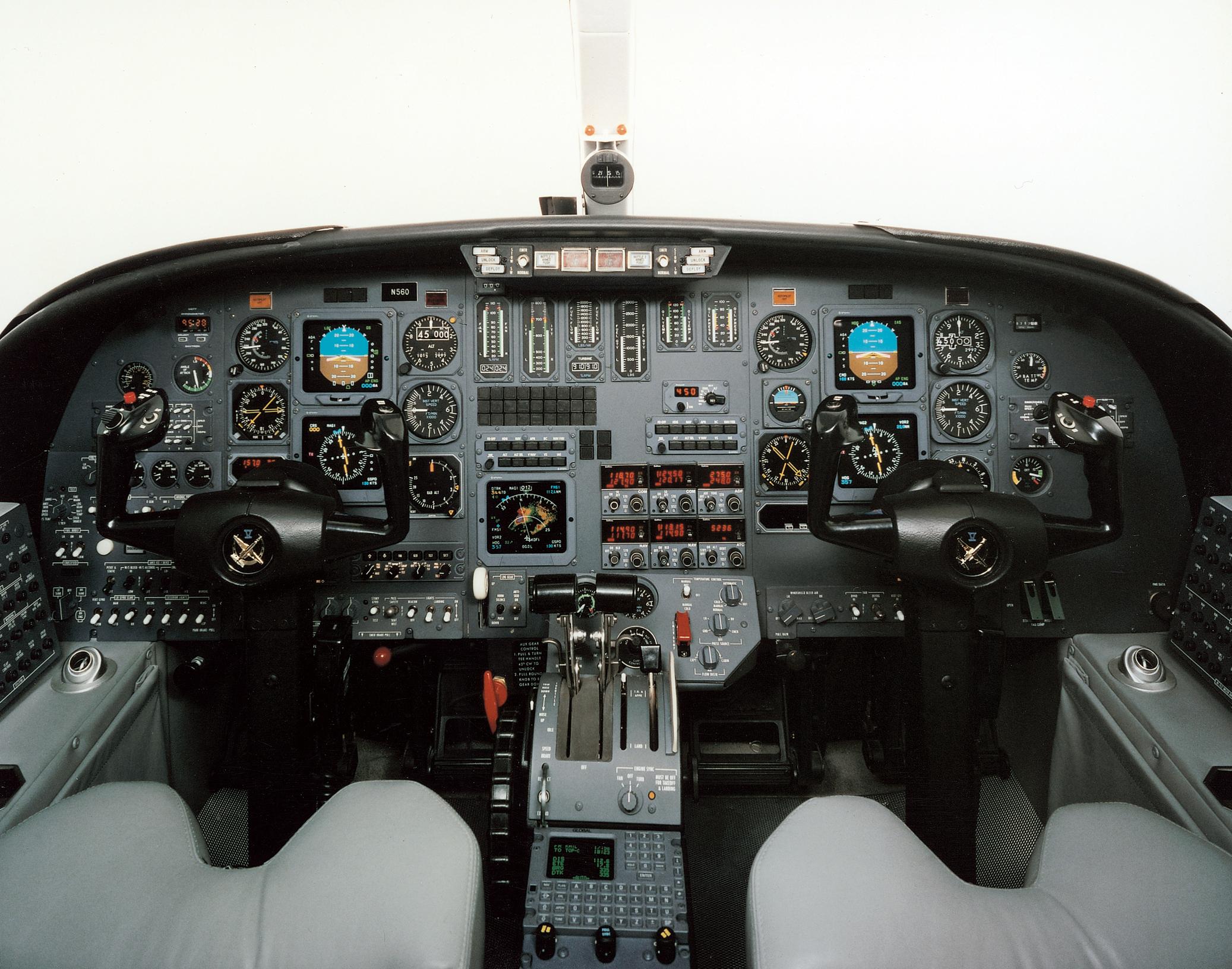
The career of a private jet pilot offers an array of exciting and lucrative opportunities, making it a compelling choice for those seeking a unique and rewarding profession. Flying private jets is more than just a job, it’s a lifestyle that combines adventure, prestige, and financial success. For aviation enthusiasts and those looking for a career that offers both personal fulfillment and exceptional earning potential, becoming a private jet pilot could be the best career move you can make.
In this article, we will delve into the reasons why pursuing a career as a private jet pilot can be an excellent choice. From the high earning potential and job satisfaction to the opportunities for travel and personal growth, we’ll explore why this profession stands out as one of the most appealing in the aviation industry.
The Growing Demand for Private Jet Pilots
In recent years, the demand for private jet travel has seen a significant increase. With more high-net-worth individuals, businesses, and even governments relying on private aviation for convenience, safety, and flexibility, the need for qualified private jet pilots has never been greater. According to industry reports, the private jet market is projected to grow at a steady rate, further boosting the demand for skilled pilots.
Many factors contribute to this growth, including the rising number of corporate executives and entrepreneurs who prefer to travel privately, the need for expedited business travel, and the growing popularity of private jet charters for leisure purposes. As a result, private jet companies, charter services, and corporate flight departments are actively seeking highly trained and capable pilots to meet the needs of their clientele.
As the industry expands, more private jet operators are recognizing the importance of hiring top-tier pilots who can ensure the safety, comfort, and satisfaction of passengers. This creates a wealth of career opportunities for aspiring private jet pilots, making it an ideal time to enter this field.
High Earning Potential
One of the most significant advantages of becoming a private jet pilot is the earning potential. Private jet pilots often earn far more than their commercial counterparts, particularly those who work for private clients, corporate flight departments, or charter services. While salaries can vary depending on factors such as experience, location, and the type of aircraft flown, private jet pilots generally enjoy high salaries and attractive benefits packages.
The average salary for a private jet pilot in the United States can range from $70,000 to over $150,000 per year, with experienced pilots and those working for high-profile clients often earning much more. Some pilots even earn six-figure salaries or more, especially if they fly larger jets or have specialized training in operating complex aircraft.
Additionally, private jet pilots often enjoy other benefits such as:
- Per Diem and Travel Allowances: Many private jet pilots receive daily allowances for meals and accommodation when traveling, which adds to their overall compensation.
- Bonuses and Profit Sharing: Pilots who work for private companies or charter services may receive bonuses based on performance, flight hours, or client satisfaction.
- Benefits and Retirement Plans: Many private jet pilots receive comprehensive benefits packages that include health insurance, paid time off, and retirement contributions.
With the potential to earn a substantial income and enjoy numerous perks, becoming a private jet pilot is an attractive career choice for those looking to maximize their earning potential.
Job Satisfaction and Work-Life Balance
Another reason why becoming a private jet pilot is an excellent career move is the level of job satisfaction it offers. For aviation enthusiasts, flying private jets is a dream job that allows them to indulge their passion for flying while enjoying a fulfilling and rewarding career. The sense of accomplishment that comes from safely flying a private jet and delivering passengers to their destinations is a very uniqueed.
Private jet pilots also enjoy a high degree of autonomy and responsibility. Unlike commercial airline pilots who must adhere to rigid schedules and routes, private jet pilots have more flexibility in their work, which can lead to greater job satisfaction. They are often responsible for planning flight routes, managing logistics, and ensuring that their passengers have a safe and comfortable journey. This level of responsibility can be both challenging and rewarding, as it requires strong decision-making skills, attention to detail, and a deep understanding of aviation procedures.
In addition to the professional satisfaction that comes with being a private jet pilot, many pilots also enjoy a healthy work-life balance. Private jet pilots typically work fewer hours than their commercial counterparts, and their schedules can be more flexible. While there are times when pilots may need to work long hours or be away from home for extended periods, the ability to set their own schedules and enjoy time off between flights is a significant benefit.
For those who value a balance between career and personal life, becoming a private jet pilot provides the opportunity to enjoy both. Whether it’s spending time with family, pursuing hobbies, or traveling for leisure, private jet pilots often have the flexibility to do so.
Opportunities for Travel and Adventure
For many people, the opportunity to travel the world is one of the main reasons they pursue a career in aviation. As a private jet pilot, you will have the chance to travel to some of the most exciting and exotic destinations around the globe. Private jet pilots fly to cities and countries that commercial airlines may not serve, offering a level of variety and excitement that few other professions can match.
Unlike commercial airline pilots who are bound to specific routes, private jet pilots have the opportunity to fly to a diverse range of destinations based on the needs and preferences of their passengers. Whether it’s flying to a luxury resort in the Caribbean, a business meeting in a major metropolitan city, or a remote location for a unique project, private jet pilots enjoy the thrill of flying to new and exciting places.
For those with a passion for exploration and adventure, becoming a private jet pilot provides an incredible opportunity to see the world and experience different cultures. This sense of adventure, combined with the technical skills and expertise required to operate a private jet, makes the profession one of the most dynamic and exciting careers in aviation.
Prestige and Recognition
Becoming a private jet pilot also brings a level of prestige and recognition that few other professions can offer. Private jet pilots are highly respected for their skill and expertise, and they often work with high-profile clients, including business leaders, celebrities, politicians, and other influential individuals. The ability to provide a personalized and exceptional service to these clients requires not only technical proficiency but also a high degree of professionalism, discretion, and customer service.
As a private jet pilot, you will have the opportunity to interact with some of the most influential people in the world, gaining recognition and respect in the aviation industry and beyond. This level of prestige can open doors to other career opportunities, whether it’s flying for a private individual, working for a corporate flight department, or transitioning into other roles within the aviation field.
Continuous Learning and Professional Growth
A career as a private jet pilot offers ample opportunities for continuous learning and professional growth. The aviation industry is constantly evolving, with new technologies, regulations, and aircraft models being introduced regularly. Private jet pilots must stay up-to-date with the latest developments in aviation to ensure they can operate their aircraft safely and efficiently.
This need for continuous learning means that private jet pilots can always expand their knowledge and improve their skills. Whether it’s obtaining additional certifications, learning to fly new types of aircraft, or staying informed about changes in aviation regulations, there is always room for growth and advancement in this field.
Moreover, private jet pilots have the opportunity to build a diverse skill set that includes not only flying but also managing flight plans, navigating international airspace, communicating with air traffic control, and handling complex technical systems. This wide-ranging expertise can lead to other exciting opportunities in the aviation industry, such as becoming a flight instructor, aviation consultant, or even starting your own charter company.
The Path to Becoming a Private Jet Pilot
While the rewards of becoming a private jet pilot are significant, it’s important to understand that it requires dedication, training, and hard work. To become a private jet pilot, you must first obtain the necessary certifications and flight experience, starting with a Private Pilot License (PPL) and progressing through more advanced certifications such as an Instrument Rating (IR) and a Commercial Pilot License (CPL).
Additionally, aspiring private jet pilots must accumulate significant flight hours and often obtain type ratings for specific aircraft models. This process can take several years, but the investment in training and experience pays off in the form of a rewarding and high-paying career.
Conclusion
Becoming a private jet pilot is a career choice that offers numerous benefits, from high earning potential and job satisfaction to the opportunity for travel, adventure, and personal growth. With the increasing demand for private jet services, the profession is expected to continue thriving, offering ample opportunities for those who have the passion, skill, and determination to succeed.
For those seeking a career that combines technical expertise with an exciting and dynamic lifestyle, becoming a private jet pilot could be the best career move you make. Whether you’re drawn to the financial rewards, the prestige, or the chance to see the world, this profession offers a unique and fulfilling path for aviation enthusiasts.


