


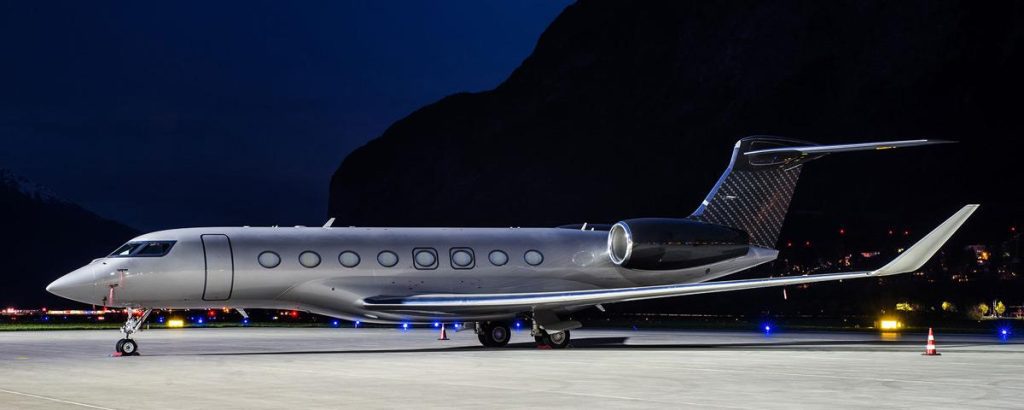
In an era marked by growing environmental concerns, the aviation industry has been under increasing pressure to adopt more sustainable practices. While commercial airlines have been exploring ways to reduce emissions, the world of private aviation is also taking significant strides toward becoming greener. Eco-friendly private jets are emerging as the future of aviation, offering a sustainable alternative to traditional jet travel. These high-performance aircraft are not only designed to minimize their environmental impact but also revolutionize how we think about private air travel. In this article, we will explore the reasons why eco-friendly private jets are gaining momentum and why they are poised to dominate the skies in the future.
The Growing Demand for Sustainability in Aviation
As the world becomes more conscious of the environmental impact of human activities, industries across the globe are seeking ways to reduce their carbon footprint. Aviation is no exception, as air travel accounts for a significant portion of global greenhouse gas emissions. According to the International Air Transport Association (IATA), the aviation industry is responsible for nearly 2-3% of global carbon dioxide (CO2) emissions. This has led to growing pressure on both commercial and private aviation sectors to adopt more eco-friendly practices.
While commercial airlines have made strides in reducing their environmental impact through initiatives like fuel-efficient aircraft and carbon offset programs, private aviation has often been seen as a more indulgent, carbon-intensive mode of travel. However, recent developments in eco-friendly private jets have sparked a revolution in the industry. The introduction of sustainable technologies, such as biofuels, electric propulsion, and lightweight materials, is transforming the way private jets operate, offering a more environmentally responsible option for those who prefer the luxury and convenience of private air travel.
The Rise of Sustainable Aviation Technologies
One of the main reasons eco-friendly private jets are the future of aviation is the rapid development of sustainable aviation technologies. These technologies are designed to reduce the carbon footprint of aircraft while maintaining high performance and comfort levels. Some of the key innovations driving the growth of eco-friendly private jets include:
- Sustainable Aviation Fuels (SAFs)
Sustainable aviation fuels are one of the most promising advancements in the aviation industry. SAFs are produced from renewable sources such as plant-based oils, algae, or waste materials, which can be used to replace traditional jet fuel. Unlike conventional jet fuel, SAFs have a much lower carbon footprint, as they are derived from bio-based sources that capture carbon dioxide from the atmosphere.
Many private jet manufacturers and operators are already incorporating SAFs into their fleets, reducing emissions without compromising performance. For example, companies like NetJets and VistaJet have committed to using SAFs in their operations, offering a more sustainable option for private jet travel. The availability of SAFs is expected to increase as demand for eco-friendly aviation options grows, making these fuels a key component of the future of private aviation.
- Electric and Hybrid Propulsion Systems
Electric propulsion systems are another major innovation in the aviation industry that is revolutionizing private jet travel. Electric aircraft use electric motors powered by batteries or fuel cells to generate thrust, eliminating the need for conventional jet engines that rely on fossil fuels. This technology has the potential to significantly reduce carbon emissions and noise pollution, making electric private jets an attractive option for environmentally conscious travelers.
Hybrid propulsion systems, which combine traditional jet engines with electric motors, are also gaining traction in the private aviation sector. These hybrid systems allow aircraft to operate more efficiently by reducing fuel consumption during certain phases of flight. Companies like AeroMobil and Alice are leading the way in developing electric and hybrid private jets, with several prototypes already undergoing testing.
While fully electric private jets are not yet widely available, advancements in battery technology and electric propulsion are expected to make electric air travel a reality in the near future. These aircraft will offer a quieter, cleaner, and more sustainable alternative to traditional private jets.
- Lightweight Materials and Aerodynamic Designs
Another way eco-friendly private jets are reducing their environmental impact is through the use of lightweight materials and advanced aerodynamic designs. The lighter an aircraft is, the less fuel it requires to stay airborne, leading to significant reductions in fuel consumption and emissions.
Manufacturers are increasingly using lightweight composite materials, such as carbon fiber, in the construction of private jets. These materials are not only stronger and more durable than traditional metals but also significantly reduce the weight of the aircraft, improving fuel efficiency.
In addition to lightweight materials, advanced aerodynamic designs are also playing a crucial role in enhancing the efficiency of private jets. Streamlined designs and wing modifications can reduce drag, allowing aircraft to fly more efficiently and use less fuel. These innovations are helping to make private jets more eco-friendly while still offering the speed, comfort, and performance that passengers expect.
The Economic and Environmental Benefits of Eco-Friendly Private Jets
The transition to eco-friendly private jets offers both economic and environmental benefits. For private jet owners and operators, investing in sustainable aviation technologies can lead to long-term cost savings while contributing to a greener future.
- Reduced Fuel Costs
One of the primary expenses for private jet operators is fuel, which accounts for a significant portion of operating costs. By adopting eco-friendly technologies like SAFs, electric propulsion, and hybrid systems, private jet operators can reduce their reliance on conventional jet fuel, leading to lower fuel costs over time.
As the production of SAFs scales up, their cost is expected to become more competitive with traditional jet fuel, making them an even more attractive option for private jet operators. In the case of electric and hybrid jets, the cost of electricity is generally lower than that of aviation fuel, offering further cost savings.
- Lower Maintenance Costs
Eco-friendly private jets often require less maintenance than their traditional counterparts. For example, electric and hybrid propulsion systems have fewer moving parts than conventional jet engines, reducing the need for regular maintenance and repairs. This can result in lower maintenance costs and more reliable performance over the lifetime of the aircraft.
In addition, the use of lightweight materials and advanced designs can reduce wear and tear on aircraft components, further decreasing maintenance expenses. These savings make eco-friendly private jets an appealing option for owners who want to reduce both their environmental impact and operational costs.
- Reduced Carbon Footprint
The most significant environmental benefit of eco-friendly private jets is the reduction in carbon emissions. As mentioned earlier, aviation is responsible for a significant portion of global CO2 emissions. By adopting sustainable aviation fuels, electric propulsion, and lightweight materials, private jets can significantly reduce their carbon footprint.
For private jet owners who are committed to sustainability, using eco-friendly aircraft is an effective way to reduce their environmental impact. Many private jet operators and manufacturers are already incorporating carbon offset programs, which allow customers to offset their emissions by investing in environmental projects such as reforestation or renewable energy initiatives.
The Role of Eco-Friendly Private Jets in Corporate Social Responsibility
Corporate social responsibility (CSR) is becoming increasingly important for businesses across all industries, including private aviation. As more companies commit to sustainability, eco-friendly private jets are emerging as a key component of corporate travel policies.
By choosing to fly in eco-friendly private jets, companies can demonstrate their commitment to sustainability and reduce their environmental impact. This can help enhance their brand image, attract environmentally conscious customers, and improve their standing among investors and stakeholders who prioritize sustainability.
In addition, eco-friendly private jets offer companies the opportunity to lead by example and inspire others in the aviation industry to adopt greener practices. By adopting sustainable technologies and reducing their carbon footprint, companies can play a role in driving the wider adoption of eco-friendly aviation.
Challenges and Opportunities in the Transition to Eco-Friendly Private Jets
While the transition to eco-friendly private jets is promising, there are several challenges that must be overcome before these aircraft become the norm in the aviation industry.
- High Initial Costs
One of the main challenges of eco-friendly private jets is the high initial cost of purchasing or developing these aircraft. Technologies like electric propulsion and hybrid systems are still in the early stages of development, which means they are often more expensive than traditional jet engines. Additionally, eco-friendly private jets often require specialized infrastructure, such as charging stations for electric aircraft, which can add to the upfront costs.
However, as demand for eco-friendly aviation options increases and production scales up, the costs of these technologies are expected to decrease, making eco-friendly private jets more accessible to a wider range of customers.
- Limited Range and Capacity
Another challenge facing eco-friendly private jets is their limited range and capacity compared to traditional jets. Electric aircraft, in particular, are still limited by battery technology, which affects the distance they can travel on a single charge. While hybrid and SAF-powered jets have greater range, they still face limitations when compared to conventional aircraft.
However, as advancements in battery technology and sustainable fuels continue to progress, these limitations are expected to improve. In the future, eco-friendly private jets will be able to offer longer ranges and greater passenger capacities, making them more practical for a wider variety of travel needs.
- Infrastructure Development
The widespread adoption of eco-friendly private jets will require significant infrastructure development. This includes the construction of charging stations for electric aircraft, as well as the scaling up of SAF production and distribution networks. The aviation industry will need to invest in these infrastructures to ensure that eco-friendly private jets can operate efficiently and sustainably.
- Regulatory Hurdles
Regulatory challenges are another obstacle to the widespread adoption of eco-friendly private jets. The aviation industry is heavily regulated, and new technologies must undergo rigorous testing and certification before they can be used commercially. The development of eco-friendly private jets will require cooperation between manufacturers, operators, and regulators to ensure that these aircraft meet safety and environmental standards.
The Future of Eco-Friendly Private Jets
The future of aviation is undoubtedly green, and eco-friendly private jets are poised to play a leading role in this transformation. With advancements in sustainable aviation technologies, including biofuels, electric propulsion, and lightweight materials, private aviation is becoming more sustainable, cost-effective, and environmentally responsible.
As demand for eco-friendly air travel continues to grow, private jet operators and manufacturers will continue to innovate, making sustainable options more accessible and practical for travelers. In the coming years, eco-friendly private jets will not only become more prevalent but will likely become the standard for private aviation, offering a cleaner, greener, and more sustainable future for air travel.
The journey toward eco-friendly private jets is well underway, and the aviation industry is embracing change. As new technologies emerge and infrastructure develops, eco-friendly private jets are set to revolutionize the way we travel, offering a sustainable alternative to traditional jet travel and paving the way for a greener, more sustainable future in aviation.


