


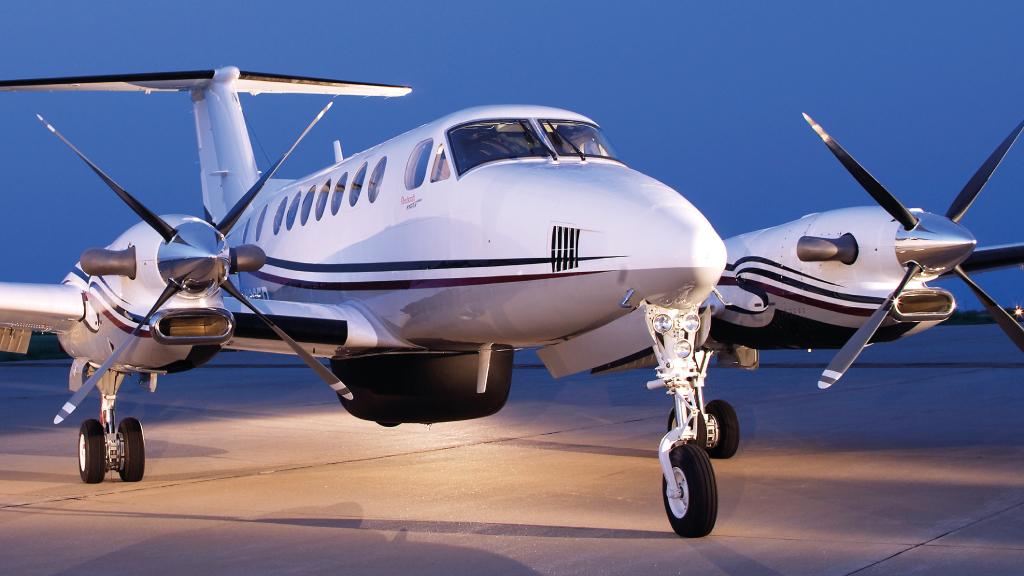
Private jets are more than just a means of transportation; they are a statement of status, power, and comfort. Unlike commercial flights, where passengers must conform to rigid seating arrangements and limited amenities, private jets offer a blank canvas for an entirely personalized experience. The magic ingredient that turns a private jet into a flying palace is interior design, a meticulously crafted environment where aesthetics, comfort, and functionality meet.
1. The Power of First Impressions
When stepping into a private jet, the interior design sets the tone for the entire journey. Just like entering a five-star hotel or a luxury car, the atmosphere instantly influences emotions and perceptions. The right combination of lighting, materials, textures, and layout creates an ambiance of exclusivity and comfort.
Whether it’s the warm glow of customized LED lighting, the softness of hand-stitched leather seats, or the seamless integration of high-end technology, the design makes an immediate impact, ensuring that passengers feel privileged from the moment they step onboard.
2. Comfort and Ergonomics: Redefining Luxury in the Sky
A private jet isn’t just about getting from one place to another; it’s about experiencing luxury at 40,000 feet. Interior design plays a vital role in ensuring comfort through:
- Seating Arrangements: Unlike standard airplane seats, private jet interiors offer fully customizable seating, including reclining chairs, daybeds, and even private sleeping quarters. Ergonomically designed seats reduce fatigue, providing maximum relaxation.
- Material Selection: Fine leathers, cashmere throws, and silk upholstery transform an ordinary flight into a luxurious experience. High-end materials not only provide comfort but also enhance the aesthetic appeal.
- Climate Control: Private jets often feature personalized climate control settings, allowing passengers to adjust temperature and airflow for the perfect in-flight environment.
3. Personalization: A Reflection of Identity
One of the biggest advantages of a private jet is the ability to customize its interior to reflect personal style. Owners work closely with designers to create unique themes that align with their lifestyle, whether it’s a modern minimalist look, classic European elegance, or high-tech futuristic aesthetics.
- Bespoke Furniture: Every element, from handmade tables to custom sofas, can be customized to the owner’s exact specifications.
- Color Palettes and Materials: Some prefer a warm, home-like atmosphere with rich wooden accents, while others opt for a sleek, corporate vibe with carbon fiber and glass finishes.
- Brand Identity: Many corporate executives incorporate their company’s branding subtly within the design, using monogrammed headrests, embroidered logos, or signature color schemes. all of them in associate with color psychology of cabin design make the unique experience customers really search for!
4. The Role of Technology: Seamless Integration
Modern private jets are flying smart homes, integrating cutting-edge technology seamlessly into their design. Smart controls enable passengers to adjust lighting, entertainment, window shades, and temperature with a single touch on their phone or tablet.
- High-Speed Connectivity: With satellite-based Wi-Fi, private jet passengers enjoy uninterrupted connectivity, allowing them to work or stream entertainment effortlessly.
- Advanced Entertainment Systems: Ultra-high-definition OLED screens, immersive surround sound, and customized streaming services elevate in-flight entertainment.
- Touchless Controls: Modern jets incorporate gesture-controlled systems for an effortless experience, reducing the need for physical interaction.
5. Maximizing Space: Smart Layouts for Ultimate Functionality
Unlike commercial aircraft that prioritize passenger capacity, private jets focus on maximizing space efficiency to enhance comfort. Interior designers use clever layout techniques to create a sense of openness, ensuring that even smaller jets feel spacious.
- Multi-Purpose Zones: Many private jets feature convertible spaces that serve multiple purposes, conference rooms that transform into dining areas, or bedrooms that double as lounges.
- Hidden Storage: Discreet compartments ensure that personal belongings are stored without cluttering the cabin, maintaining a clean and organized aesthetic.
- Custom-Built Kitchens: For gourmet dining in the air, jets include fully equipped galleys designed to accommodate fine dining preparations.
6. Lighting Design: Enhancing Mood and Well-Being
Lighting plays a crucial role in setting the mood onboard a private jet. Thoughtfully designed lighting enhances comfort and combats jet lag by mimicking natural daylight cycles.
- Adaptive LED Systems: These lights automatically adjust based on the time of day, reducing eye strain and promoting better sleep cycles.
- Custom Ambiance Settings: Passengers can select mood settings such as “Relax,” “Work,” or “Sleep,” which adjust the light intensity and color temperature accordingly.
7. Soundproofing: The Art of Silence
One of the most overlooked yet crucial aspects of private jet interior design is soundproofing. High-end materials and engineering advancements ensure that passengers experience an ultra-quiet cabin, free from engine noise and external disturbances.
- Acoustic Panels and Insulation: These minimize vibrations and external sounds, creating a tranquil environment.
- Active Noise Cancellation Technology: This enhances the auditory experience, making conversations clearer and ensuring that in-flight entertainment remains undisturbed.
8. The Psychology of Space: Creating a Calming Atmosphere
Interior design isn’t just about aesthetics, it also impacts psychology. A well-designed jet interior creates a stress-free and calming environment, reducing travel fatigue and enhancing overall well-being.
- Curved Surfaces: Soft, flowing lines create a sense of fluidity and openness.
- Natural Elements: Incorporating materials such as real wood, marble, and natural fibers enhances the feeling of warmth and familiarity.
- Aromatherapy Integration: Some jets even feature custom fragrance diffusers, ensuring that the cabin maintains a signature, pleasant scent.
9. The Future of Private Jet Interior Design
As technology and design continue to evolve, the future of private jet interiors will push boundaries like never before.
- Sustainable Luxury: Eco-conscious design choices, such as vegan leather, energy-efficient lighting, and recyclable materials, will shape the future of aviation.
- Augmented Reality Windows: Some upcoming models are experimenting with digital walls and AR-enhanced views, allowing passengers to transform the ambiance with the touch of a button.
- AI-Powered Personalization: Advanced AI systems will soon be able to predict passenger preferences and automatically adjust the jet’s environment accordingly.
Conclusion: The Ultimate Private Jet Experience
The interior design of a private jet isn’t just about luxury, it’s about crafting an a very uniqueed experience. Every detail, from bespoke furnishings to intelligent lighting, cutting-edge technology, and personalized ambiance, contributes to an environment that redefines air travel.
For those who seek the ultimate private jet experience, interior design is not just an option, it is the key to unlocking a world of comfort, sophistication, and exclusivity. Whether for business or leisure, the right design transforms a private jet into more than just a mode of transport, it becomes a sanctuary in the sky.


