


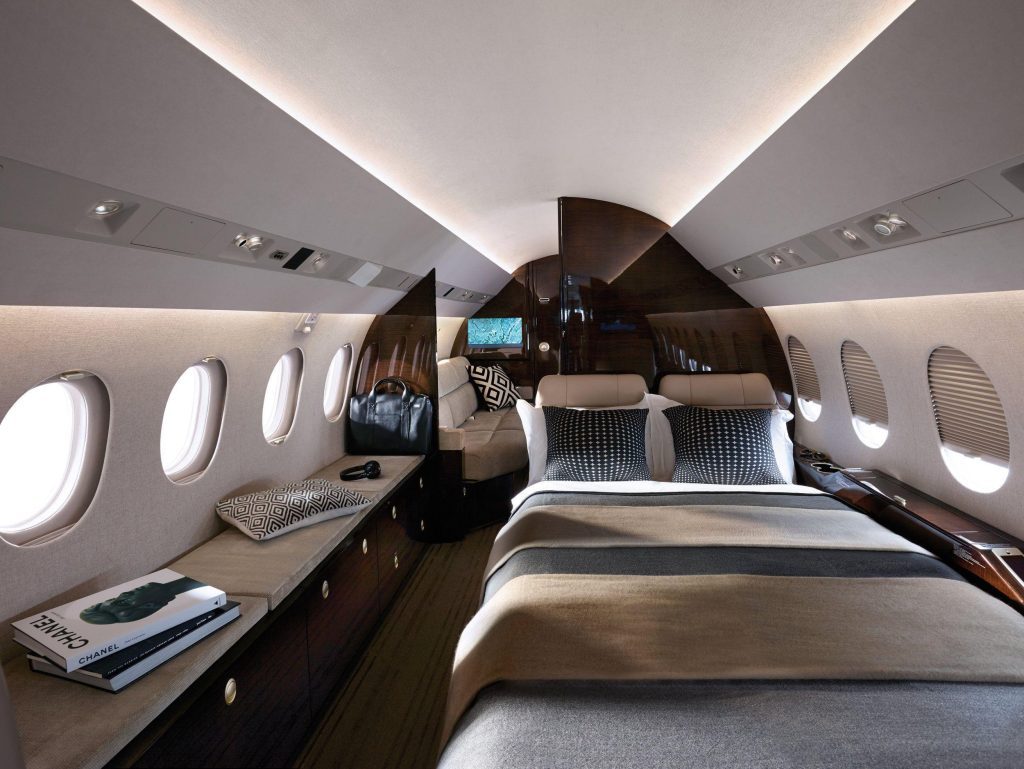
When it comes to luxury travel, safety is an absolute priority. For those who choose to fly privately, private jets offer a very uniqueed levels of security, ensuring passengers enjoy both comfort and peace of mind. While commercial flights are typically regarded as safe, private jets go above and beyond in terms of safety measures, technology, and personalized services. In this article, we will explore why private jets are a safer choice for luxury travel, highlighting the advanced safety features, exclusive benefits, and the advantages of flying privately for those seeking a worry-free journey.
- Enhanced Aircraft Maintenance and Inspection Protocols
The safety of any aircraft begins with its maintenance, and private jets adhere to some of the strictest and most frequent maintenance protocols in the industry. Private jet operators often go above and beyond standard regulations to ensure their aircraft are meticulously maintained. Unlike commercial airlines, which often operate large fleets, private jet operators focus on smaller, more specialized aircraft, allowing for more customized care and attention to each individual jet.
Every private jet undergoes rigorous pre-flight and post-flight inspections. These inspections involve checking every component of the aircraft, from the engines to the cockpit instruments, ensuring everything is in optimal condition. Technicians perform these inspections after each flight, and the aircraft are often taken off the runway for additional maintenance checks after a certain number of hours in operation. In some cases, private jet owners opt for additional, more detailed inspections to ensure their jets are in the best possible condition.
These enhanced maintenance protocols contribute significantly to the safety of private jet travel, ensuring that the aircraft is in peak condition before every flight. This focus on maintenance is one of the reasons why private jets are considered a safer mode of transportation compared to commercial aircraft, where maintenance schedules can be less individualized due to the high volume of flights and larger fleet sizes.
- Advanced Avionics and Safety Technologies
Private jets are equipped with some of the most advanced avionics and safety technologies available. These systems enhance pilot awareness and improve the aircraft’s ability to respond to various in-flight conditions, providing passengers with an extra layer of safety. Some of the cutting-edge safety technologies commonly found in private jets include:
- Weather Radar and Advanced Detection Systems: Weather radar systems are a crucial part of a private jet’s avionics. These systems help pilots detect hazardous weather conditions such as storms, turbulence, and poor visibility well in advance. The radar provides real-time data about the weather ahead, allowing pilots to adjust their flight path accordingly and avoid potential dangers.
- Enhanced Vision Systems (EVS): EVS technology uses infrared cameras to create a clear image of the surroundings, even in low visibility conditions like fog, rain, or snow. This technology helps pilots maintain situational awareness and navigate safely, particularly when visibility is compromised during takeoff, landing, or while flying through challenging weather conditions.
- Automatic Collision Avoidance Systems: Private jets are often equipped with sophisticated collision avoidance systems like the Traffic Collision Avoidance System (TCAS). This system detects nearby aircraft and alerts the pilot if a potential collision is imminent. It provides pilots with enough time to take corrective action and steer clear of other aircraft, ensuring a safer flight.
- Automatic Dependent Surveillance-Broadcast (ADS-B): ADS-B systems are an important safety feature that automatically transmits the aircraft’s position to both air traffic control and other nearby aircraft. This real-time tracking helps pilots and air traffic controllers avoid collisions, particularly in busy airspace, by providing precise location information.
These advanced avionics systems work together to enhance the overall safety of private jets, allowing pilots to better anticipate and respond to potential hazards during flight. With such sophisticated technology on board, private jets offer a much higher level of safety compared to many commercial flights, which may not have the same level of advanced avionics.
- Highly Experienced Pilots
One of the most significant advantages of private jet travel is the caliber of pilots who operate these aircraft. Private jet pilots are highly trained professionals with extensive flying experience and specialized knowledge. While commercial pilots undergo rigorous training, private jet pilots often receive additional training and accumulate more flight hours due to the smaller number of flights they typically operate.
In addition to their standard flight training, private jet pilots often receive specialized instruction on handling a variety of aircraft types and managing in-flight emergencies. They are also trained to handle complex, less-traveled flight routes and navigate through areas with less air traffic. This experience provides private jet pilots with the skills necessary to handle any situation that may arise during a flight.
Many private jet pilots have years of experience in aviation, and the smaller number of flights they operate allows them to maintain a high level of proficiency and preparedness. These pilots are also highly trained in the latest safety protocols and emergency procedures, ensuring that they are prepared to handle any situation, from sudden weather changes to medical emergencies on board.
Furthermore, the relationship between the pilot and the passengers on a private jet is typically much closer than on a commercial flight. In many cases, passengers may have the opportunity to meet and communicate with the pilot before or during the flight, which can enhance the feeling of security and trust.
- Smaller Aircraft and Reduced Risk of Mid-Air Collisions
The size and nature of private jet travel inherently reduce certain safety risks, particularly the risk of mid-air collisions. Private jets typically fly at higher altitudes than commercial aircraft, which helps them avoid traffic in busy airspace. Furthermore, private jets often have the flexibility to change their flight paths in real-time to avoid congested areas or adverse weather, minimizing the risk of encountering other aircraft.
Unlike commercial airlines, which operate from large, busy airports with high traffic volumes, private jets can take off and land at smaller, regional airports or private terminals. This reduces the likelihood of delays and congestion, allowing private jets to operate in a more controlled environment. Smaller airports also tend to have less air traffic, which reduces the overall risk of mid-air collisions and other safety issues that can arise in crowded airspace.
Additionally, the use of advanced technologies like Automatic Dependent Surveillance-Broadcast (ADS-B) and Traffic Collision Avoidance Systems (TCAS) further enhances the ability of private jet pilots to track and avoid other aircraft, ensuring that the flight remains secure.
- Enhanced Cabin Safety Features
The safety features of private jets extend beyond the cockpit and into the passenger cabin. In the unlikely event of an emergency, private jets are equipped with numerous safety measures designed to protect passengers and crew. These include:
- Oxygen Masks and Emergency Oxygen Systems: In the event of cabin depressurization, private jets are equipped with oxygen masks that automatically drop from the ceiling. These masks ensure that passengers have access to a continuous supply of oxygen until the aircraft descends to a safer altitude. Private jets also feature advanced emergency oxygen systems for passengers and crew to use during in-flight emergencies.
- Fire Suppression Systems: Private jets are equipped with advanced fire suppression systems that detect and extinguish fires before they can cause significant damage. These systems are often more sophisticated than those found in commercial aircraft, providing an added layer of protection in the event of a fire.
- Evacuation Procedures and Emergency Exits: In the unlikely event of an emergency landing, private jets are equipped with clearly marked emergency exits and evacuation routes. The aircraft’s design ensures that passengers can exit the plane quickly and safely in case of an emergency.
- Advanced Seatbelts and Safety Restraints: Private jets typically feature advanced seatbelts and safety restraints that ensure passengers remain securely fastened during takeoff, landing, and in turbulent conditions. Some private jets are even equipped with additional features such as energy-absorbing seats to further reduce the risk of injury during turbulence.
These cabin safety features help ensure that passengers are well-protected during their flight, contributing to the overall safety of private jet travel.
- Personalized Security and Privacy Measures
Another advantage of flying privately is the level of security and privacy that private jet operators provide. Passengers traveling on private jets are not subject to the same security protocols as commercial airline passengers, which can often be time-consuming and invasive. Instead, private jet operators offer a more discreet and efficient security process.
Private jets typically operate from smaller, private terminals, which means passengers can avoid the long lines and crowds at major airports. The screening process for private jet travelers is often quicker and more personalized, reducing the risk of security breaches while ensuring that passengers are still thoroughly vetted.
In addition, private jets provide enhanced privacy, with no strangers on board and no need to share the flight with other passengers. This level of exclusivity not only contributes to a more luxurious travel experience but also ensures that the flight remains secure and confidential.
- Flexibility and Customization for Increased Safety
Private jet operators offer a level of flexibility that is simply not available on commercial flights. This flexibility is especially important when it comes to safety. For instance, if a private jet encounters bad weather, the pilot has the freedom to adjust the flight path in real-time to avoid the storm. Similarly, if a medical emergency arises on board, the aircraft can land at a nearby airport to provide immediate assistance.
In addition to altering flight routes for safety reasons, private jet operators can customize the entire flight experience based on the needs of the passengers. This includes adjusting the seating arrangements, providing special meals, or accommodating specific medical needs. The ability to tailor the flight to the individual needs of the passengers adds another layer of safety, as the crew is always ready to respond to any situation that may arise.
Conclusion
Private jets offer an unmatched level of safety, combining advanced technologies, rigorous maintenance protocols, highly trained pilots, and a range of personalized features to ensure a secure and comfortable flight experience. From the use of cutting-edge avionics and weather radar systems to the flexibility of flight paths and personalized security measures, private jets provide a level of safety that surpasses commercial airlines. For those seeking luxury travel with the highest levels of security, private jets are undeniably the safest choice.


