


The Current State of 3D Printing in Aviation
At present, 3D printing has already begun to make a significant impact on the aviation industry. However, most applications are still limited to producing smaller components, such as engine parts, interior fixtures, and lightweight structural elements. Aerospace giants like Boeing, Airbus, and GE Aviation have already incorporated 3D-printed parts into their aircraft, including fuel nozzles, air ducts, and brackets. These components offer advantages such as reduced weight, increased strength, and faster production times, which can ultimately lead to cost savings.
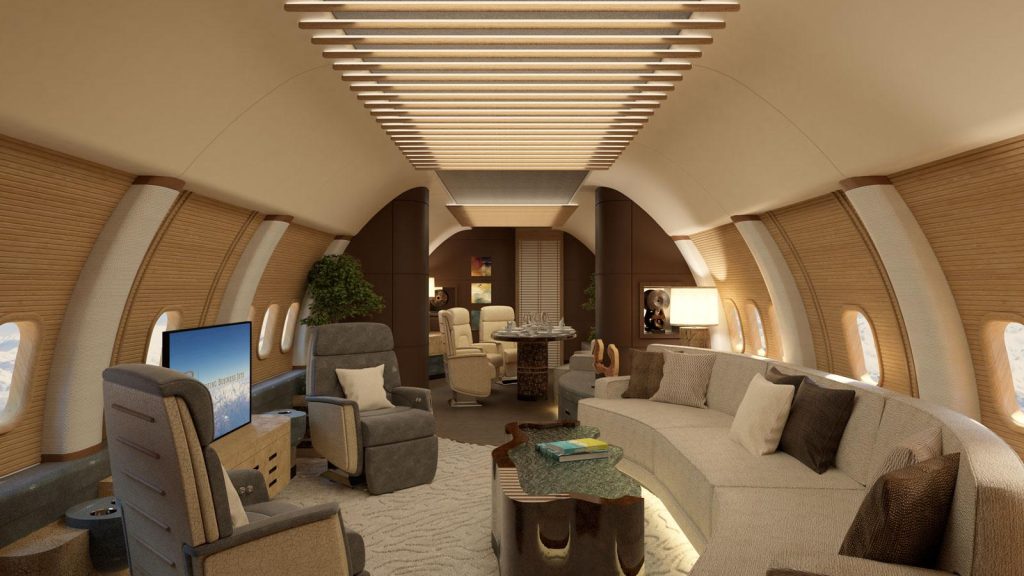
Additionally, many companies are exploring the use of 3D printing to create custom parts on demand, reducing the need for extensive inventory and enabling more flexible, efficient supply chains. For private jets, the potential for personalized, customized parts could significantly enhance the luxury and functionality of the aircraft, allowing owners to choose unique designs, materials, and features that perfectly suit their needs.
The Advantages of 3D Printing for Private Jets
The idea of fully 3D-printed private jets is an exciting prospect due to the numerous advantages this technology could bring to the aviation industry. These include:
- Customization and Design Flexibility
One of the most compelling benefits of 3D printing is its ability to produce highly customized and complex designs that would be nearly impossible to create using traditional manufacturing methods. With 3D printing, aircraft designers can create unique, customized structures that meet specific aesthetic, functional, and performance requirements. For private jet owners, this means they could have complete control over the design of their aircraft, from the exterior shape to the interior layout, ensuring that their jet is a true reflection of their personal preferences.
- Reduced Weight and Increased Efficiency
Weight reduction is a critical factor in the aviation industry, as it directly impacts fuel efficiency, speed, and overall performance. 3D printing allows for the creation of lightweight structures that retain strength and durability, thanks to the advanced materials and techniques used in the process. By using 3D-printed components, manufacturers can design private jets that are lighter and more aerodynamically efficient, resulting in lower fuel consumption and a reduced carbon footprint.
- Cost-Effective Production
Traditional aircraft manufacturing involves expensive and time-consuming processes, including casting, molding, and machining. These methods require a large workforce and specialized equipment, which can drive up production costs. In contrast, 3D printing offers a more cost-effective solution, especially for small production runs or custom-built aircraft. By eliminating the need for complex tooling and reducing material waste, 3D printing can lower production costs and lead to faster turnaround times for private jet manufacturers.
- Faster Prototyping and Production
The ability to quickly produce prototypes is one of the key advantages of 3D printing. In the traditional manufacturing process, creating a prototype often takes weeks or even months, but 3D printing allows designers to produce and test parts within days or even hours. This rapid prototyping capability would significantly accelerate the development of new private jet models, enabling manufacturers to bring innovative designs to market more quickly.
- Sustainability
3D printing has the potential to make private jets more environmentally friendly. By using additive manufacturing, material waste is minimized, as parts are built layer by layer, with only the exact amount of material required for the job. Additionally, 3D printing allows the use of advanced, sustainable materials, such as bio-based plastics and lightweight composites, which could further reduce the environmental impact of aircraft production. This makes 3D-printed private jets an appealing option for owners who want to reduce their carbon footprint and support sustainable practices.
The Challenges of 3D-Printing a Full Private Jet
While the benefits of 3D printing in aviation are clear, there are still significant hurdles that need to be overcome before fully 3D-printed private jets can become a reality. Some of the most important challenges include:
- Material Limitations
At present, 3D printing technology has made impressive strides in producing lightweight and durable components, but certain materials still present challenges in terms of performance and certification. Aerospace-grade materials, such as high-strength metals and composites, are required for the structural components of an aircraft, and while 3D printing is capable of producing some of these materials, further development is needed to ensure they meet the stringent safety and performance standards required by the aviation industry.
For instance, parts such as wings, fuselages, and engines must withstand significant stress and extreme conditions, and the materials used must pass rigorous tests for fatigue, heat resistance, and overall durability. Until 3D-printed materials can match the performance of traditional aerospace materials, fully 3D-printed private jets may remain out of reach.
- Structural Integrity and Safety
Aviation is an industry where safety is paramount, and any new technology must undergo extensive testing and certification before it can be approved for use. While 3D-printed components have demonstrated significant strength and resilience in individual tests, ensuring the structural integrity of a fully 3D-printed private jet is a more complex challenge. Components like the fuselage, wings, and control surfaces must be tested for stress resistance, collision impact, and other factors to ensure the safety of the aircraft.
Additionally, the process of 3D printing may introduce certain vulnerabilities that could impact the overall strength of the jet. Issues such as internal defects or inconsistencies in material properties must be addressed before a 3D-printed jet could be deemed safe for flight.
- Regulatory Approvals
The aviation industry is highly regulated, with strict safety standards set by organizations such as the Federal Aviation Administration (FAA) and the European Union Aviation Safety Agency (EASA). For 3D-printed private jets to become a reality, they would need to pass a rigorous certification process that includes extensive testing and evaluation of both the materials used and the final design.
As the technology continues to evolve, regulatory bodies will need to develop new standards to accommodate 3D-printed aircraft. This process could take years and would require collaboration between manufacturers, regulators, and experts in 3D printing technology to ensure that fully 3D-printed private jets meet the necessary safety and performance standards.
- Cost and Accessibility
While 3D printing offers the potential for cost savings in aircraft production, the initial investment required to develop and implement the technology could be prohibitively expensive. The machines used for large-scale 3D printing are still relatively expensive, and the process of developing and certifying new materials and designs could require substantial investment from manufacturers.
As a result, 3D-printed private jets may initially be available only to a select group of high-net-worth individuals, making them less accessible to the broader market. However, as the technology matures and becomes more widespread, costs may decrease, and 3D-printed private jets could become more affordable and accessible to a larger audience.
The Road Ahead: Will Fully 3D-Printed Private Jets Become a Reality?
While fully 3D-printed private jets may still be a few years away, the progress made in 3D printing technology and its applications in aviation suggests that the future of private jets could be significantly shaped by this innovation. As manufacturers continue to experiment with new materials, improve printing techniques, and address the challenges of certification and safety, the possibility of 3D-printed private jets becomes more realistic.
In the near future, we may see hybrid models that combine 3D-printed parts with traditional components, offering a glimpse of the potential of fully 3D-printed jets. Over time, as the technology matures, it’s likely that 3D printing will play a central role in the design and production of private jets, making air travel more customizable, cost-effective, and sustainable.
The future of aviation may not only be about flying faster or farther, it could also be about the materials we use, the way we manufacture aircraft, and the level of personalization we can achieve. The dream of fully 3D-printed private jets may be closer than we think, transforming the industry in ways we can’t yet fully imagine.


