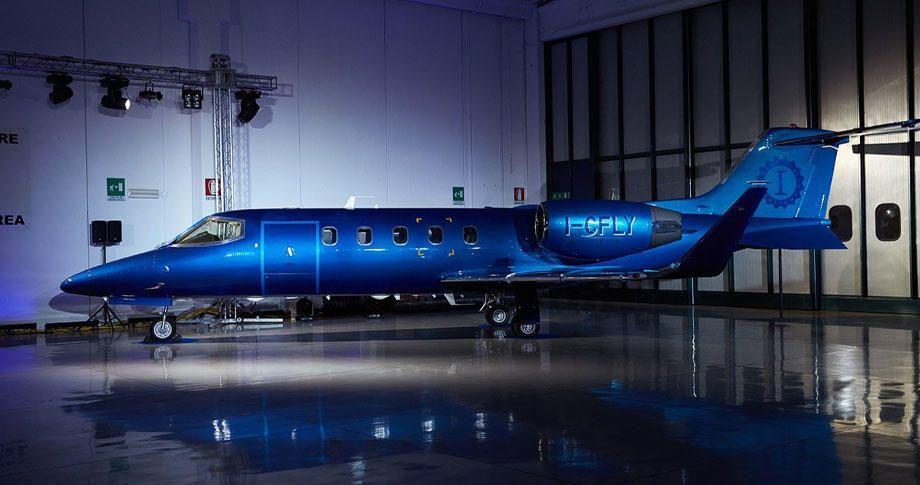
PrivateJetia Private Jet Fly 107
Private jet travel is often associated with luxury, convenience, and personalized service. One of the most recent innovations in the private aviation industry is the integration of AI-powered predictive flight comfort adjustments, which promise to further enhance the flying experience for travelers. By leveraging advanced artificial intelligence, private jets are becoming smarter, more comfortable, and increasingly customized to the individual preferences of passengers.
In this article, we will delve into the concept of AI-driven predictive flight comfort adjustments, explaining how these systems work, the benefits they provide, and the future potential of this groundbreaking technology in the private jet industry.
What are AI-Powered Predictive Flight Comfort Adjustments?
AI-powered predictive flight comfort adjustments involve the use of artificial intelligence algorithms that continuously monitor and adjust various in-flight factors to optimize passenger comfort. These adjustments are predictive in nature, meaning the system anticipates and responds to changes in the flight environment before they affect the passenger’s comfort.
For example, AI-powered systems can adjust the temperature, seating positions, lighting, and air quality based on a passenger’s preferences, the time of day, the flight conditions, and even the current phase of the flight. Instead of passengers manually adjusting their settings, the AI system can anticipate their needs and make real-time changes without any input required.
How Do AI-Powered Predictive Comfort Adjustments Work?
AI-driven comfort adjustment systems rely on a combination of data collection, machine learning algorithms, and real-time sensors to provide a personalized, dynamic flying experience. The following are the key components that allow these systems to function effectively:
- Sensors and Data Collection
AI-powered systems begin by collecting a variety of data from both the cabin environment and the passengers themselves. These sensors monitor conditions like:
Temperature: Measuring the cabin’s temperature to ensure it remains comfortable.
Humidity: Ensuring the cabin’s humidity level is optimal to prevent dryness or discomfort.
Air Quality: Monitoring oxygen levels, CO2, and airborne contaminants to maintain a fresh and breathable atmosphere.
Pressure: Keeping track of cabin pressure to optimize comfort, especially at high altitudes.
Passenger Activity: Sensors can monitor a passenger’s posture, movements, or heart rate, adjusting seat settings accordingly for maximum comfort.
- Machine Learning and Predictive Algorithms
Once the data is collected, the system’s AI algorithms process it and make real-time adjustments to various in-flight conditions. The machine learning component allows the system to learn from passengers’ behaviors and preferences over time. This means the AI can anticipate what adjustments need to be made based on the passenger’s historical choices or environmental triggers.
For instance, if a passenger typically prefers the cabin to be cooler during the flight, the system will recognize this pattern and adjust the temperature accordingly before the passenger requests it. Similarly, if the passenger often adjusts their seat position when the plane reaches cruising altitude, the system will automatically make that adjustment when that phase of the flight begins.
- Personalized Comfort Settings
One of the main advantages of predictive comfort adjustments is the level of personalization available to passengers. Over time, the system will learn to tailor the experience to each passenger’s specific needs. For instance:
Seating Adjustments: The AI can adjust the seat recline, lumbar support, and even the firmness of the seat based on the passenger’s preferences or activity level.
Lighting: The lighting can be customized to match the time of day, providing brighter lighting for daytime flights or dimming for evening travel. Additionally, the system can adjust the color and intensity of the lighting to suit the passenger’s mood or preferences.
Temperature: The AI can predict when a passenger may feel too warm or too cold and make subtle adjustments before discomfort arises.
Cabin Air Quality: AI systems can monitor the oxygen levels in the cabin and adjust air filtration systems to maintain a healthy atmosphere, ensuring passengers feel energized throughout the flight.
Benefits of AI-Powered Predictive Flight Comfort Adjustments
The introduction of AI-powered predictive flight comfort adjustments offers several key benefits for private jet travelers, improving both the flying experience and operational efficiency for private jet operators.
- Seamless and Personalized Comfort
The primary benefit of predictive flight comfort adjustments is the seamless personalization of the flight experience. The system learns each passenger’s preferences over time and adjusts the cabin conditions to their exact liking. This personalized service eliminates the need for passengers to manually adjust their seat position, temperature, or lighting, ensuring maximum comfort with minimal effort.
Passengers are no longer required to make adjustments themselves; instead, they can sit back and relax, knowing the system will take care of their needs before they even have to ask.
- Enhanced In-Flight Experience
By automatically optimizing the environment based on the passenger’s comfort preferences, AI-powered systems contribute to an overall enhanced in-flight experience. Passengers can enjoy a smooth, comfortable, and relaxing journey without the stress of adjusting the environment themselves. The AI system can even anticipate changes in mood or needs, adjusting the cabin atmosphere accordingly, whether that’s dimming the lights for relaxation, increasing the air quality for freshness, or fine-tuning the temperature to match the passenger’s comfort level.
- Increased Efficiency for Operators
For private jet operators, AI-powered predictive comfort adjustments lead to increased operational efficiency. With real-time monitoring and automated adjustments, operators can reduce the need for manual interventions and improve the overall flight quality. AI systems ensure that the aircraft is always operating at optimal comfort levels, reducing the workload for flight attendants and making the process more streamlined.
Moreover, these systems contribute to fuel efficiency by adjusting cabin temperature and air quality systems to the most energy-efficient settings, potentially lowering overall operating costs.
- Improved Health and Well-Being
AI systems that monitor cabin air quality, humidity, and temperature can also contribute to better health and well-being for passengers. Airborne contaminants, low oxygen levels, and uncomfortable temperatures can lead to fatigue, headaches, or dehydration during long flights. By maintaining optimal conditions in the cabin, AI systems help prevent these issues, ensuring passengers feel refreshed and energized upon arrival.
For instance, if the system detects low oxygen levels or poor air quality, it can automatically trigger the air filtration system, ensuring passengers breathe clean, fresh air throughout the flight. Similarly, by maintaining a comfortable temperature and humidity level, the system can reduce the risk of dry skin or dehydration.
- Time-Saving and Convenience
AI-powered comfort adjustments can save passengers time and effort. By eliminating the need for manual adjustments, passengers can focus on relaxing, working, or enjoying their in-flight entertainment without interruptions. The system anticipates comfort needs and responds proactively, allowing for a smoother and more hassle-free experience.
The Future of AI-Powered Predictive Flight Comfort
As AI technology continues to evolve, the possibilities for predictive flight comfort adjustments are only increasing. Here are a few ways in which this technology is expected to advance in the future:
- Deeper Personalization with Biometric Data
In the future, AI systems may integrate more advanced biometric data, such as facial recognition or heart rate monitoring, to further personalize the flying experience. For example, the system could monitor a passenger’s facial expression or heart rate and adjust the environment to improve their mood or reduce stress.
- Real-Time Environmental Awareness
AI-powered systems will become even more aware of the environmental conditions outside the aircraft. Predictive algorithms could take into account factors like weather patterns, flight duration, and regional time zone changes, automatically adjusting comfort settings based on these variables before passengers even notice a change in the environment.
- Greater Integration with Other Aircraft Systems
The predictive comfort system may eventually become integrated with other in-flight systems, such as entertainment, communications, and navigation. For example, the AI system could adjust the cabin environment based on the flight’s progress, such as lowering the lighting during the descent phase or adjusting temperature settings based on altitude changes.
Conclusion
AI-powered predictive flight comfort adjustments represent a significant step forward in the evolution of private jet travel. By anticipating and responding to passenger needs in real-time, AI systems enhance the flying experience, ensuring maximum comfort, personalization, and convenience. The integration of these technologies will continue to shape the future of private aviation, offering smarter, more comfortable, and more efficient travel for the world’s most discerning travelers.


