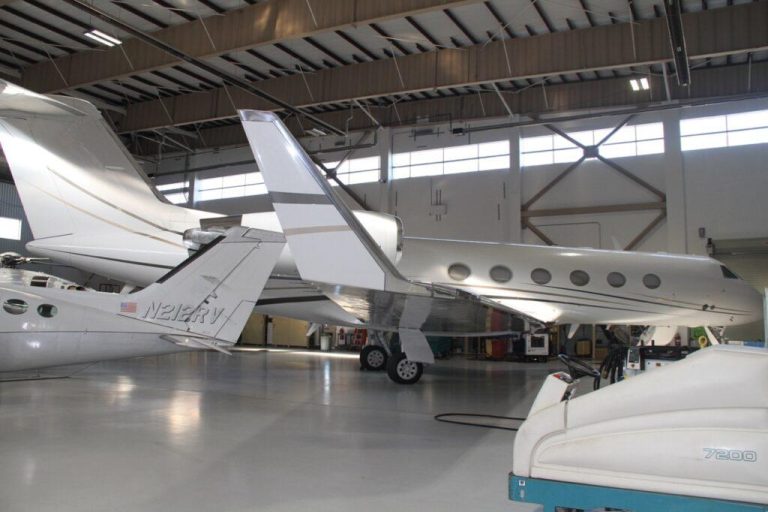
private jet technology privatejetia 10
The concept of flying residences is no longer a futuristic fantasy. As aviation technology evolves, the idea of airborne smart homes is quickly becoming a reality. Imagine a private residence that is capable of soaring through the skies while offering all the comforts, smart features, and sustainability of a modern home. The fusion of advanced aeronautics, smart technology, and luxury living is ushering in a new era of travel and homeownership, where the sky is the limit.
In this article, we explore how airborne smart homes are transforming the aviation landscape and what the future holds for flying residences. From intelligent living spaces to enhanced connectivity, these flying homes promise a new level of comfort, luxury, and mobility for those who seek to live life in the skies.
What Are Airborne Smart Homes?
An airborne smart home is essentially a private, fully functional residence designed to be flown. These homes are equipped with advanced smart technologies that control everything from lighting and temperature to entertainment and security systems. The goal is to create a home that can fly, offering an unprecedented level of mobility and convenience.
Just as smart homes are becoming more common on the ground, airborne smart homes will integrate the latest in IoT (Internet of Things) technology to provide a seamless living experience. These homes will feature interconnected devices and systems that allow for remote control, personalization, and automation. Imagine controlling everything from your smartphone or tablet, whether you’re on the ground or up in the air.
The key components of airborne smart homes will include:
Smart security systems: Advanced surveillance and monitoring technologies that ensure safety and protection, both on the ground and in the air.
Climate control: Automated temperature regulation and air purification systems to maintain comfort throughout the flight.
Smart lighting: Adjustable lighting systems that cater to your preferences, creating the perfect ambiance for relaxation or work.
Integrated entertainment: Cutting-edge entertainment systems that allow passengers to stream movies, music, and games, all with high-speed connectivity.
Voice-controlled systems: Use of voice assistants like Alexa or Google Assistant to control various elements of the home while in flight.
The Mobility Factor: Living in the Sky
One of the most exciting aspects of airborne smart homes is the mobility they offer. These residences are designed to fly at high altitudes, providing their owners with the ability to travel across the world while maintaining the comforts of home. This form of luxury travel combines the freedom of movement with the privacy and convenience of living in a fully equipped residence.
Imagine waking up in one city and having breakfast over the clouds as you make your way to another country. Airborne smart homes will allow you to seamlessly travel between destinations, whether for business or leisure, without ever having to leave the comfort of your home. These flying residences offer a very uniqueed flexibility and autonomy for those who desire to live on their own terms.
Not only will this change the way people travel, but it will also make it easier to integrate travel into daily life. Whether you’re a business executive attending multiple meetings across the globe or a digital nomad working remotely from different locations, airborne smart homes will offer a level of convenience and productivity that traditional living spaces simply cannot match.
Advanced Smart Technologies: The Backbone of Airborne Homes
At the heart of airborne smart homes lies cutting-edge technology that makes life in the skies as easy and comfortable as life on the ground. Here are some of the advanced smart technologies that will be integrated into these flying residences:
- Autonomous Flight Technology: While airborne smart homes are designed to be luxurious, they are also engineered to be self-sufficient. Autonomous flight systems will allow these residences to navigate the skies safely and efficiently, reducing the need for manual piloting. This technology is essential for ensuring safety during long flights and will make flying homes more accessible to a wider range of people.
- Green Energy Solutions: Sustainability is a growing concern in aviation, and airborne smart homes are designed to be energy-efficient. Solar panels, wind turbines, and other renewable energy sources will power these residences, ensuring that they leave a minimal environmental footprint while in flight. Furthermore, energy-efficient insulation and smart energy management systems will help optimize energy consumption, making these homes both eco-friendly and cost-effective.
- Seamless Connectivity: Connectivity is a key feature of any smart home, and airborne residences are no exception. With high-speed satellite internet, residents will be able to stay connected to the world, even while in remote areas or flying over the ocean. This level of connectivity ensures that passengers can work, attend meetings, or stay in touch with family and friends no matter where they are.
- Smart Appliances: Just like any modern home, airborne smart homes will be equipped with intelligent appliances, from refrigerators that can track groceries to smart ovens that cook meals to perfection based on your preferences. Voice-controlled assistants will help manage daily tasks, ensuring that life on the move is as stress-free as possible.
- Health and Well-being Technology: Airborne homes will feature advanced health technologies to ensure passengers’ well-being during long flights. Air purification systems, sleep optimization technologies, and virtual fitness systems will all contribute to maintaining passengers’ physical and mental health while traveling at high altitudes.
A Fully Customized Living Experience
One of the key benefits of airborne smart homes is the ability to fully customize the living space. Just like any smart home, residents will be able to personalize every aspect of the environment to suit their lifestyle. From furniture layout to lighting schemes, everything can be customized to individual preferences.
For example, the interior design of these flying residences will offer a wide range of options. Whether you prefer a sleek modern aesthetic or a more classic, cozy look, airborne smart homes will allow you to create a living space that reflects your tastes. Additionally, interactive technology will allow you to switch between different moods or themes, changing the atmosphere of the entire home with just a touch of a button.
The flexibility of airborne smart homes means that residents can change the layout or ambiance as often as they like. Whether it’s a business meeting or a romantic dinner, these homes will be designed to accommodate any situation.
Airborne Smart Homes and Sustainability
As the world faces increasing environmental challenges, sustainability is becoming a major consideration in all sectors, including aviation. Airborne smart homes are designed to minimize their carbon footprint while providing luxury living. Here’s how:
Energy-efficient design: Through the use of advanced materials and construction techniques, airborne smart homes will be built to maximize energy efficiency. Insulation and climate control systems will help regulate temperatures while reducing energy consumption.
Renewable energy: Solar power, wind energy, and possibly biofuels will be utilized to power airborne smart homes. This will help minimize their dependence on non-renewable energy sources while reducing greenhouse gas emissions.
Waste management systems: These homes will also feature advanced waste management systems, ensuring that all waste produced during flight is handled in an environmentally responsible manner. From water recycling to waste-to-energy technologies, airborne smart homes will be designed to have minimal impact on the environment.
The Challenges of Creating Airborne Smart Homes
While the idea of airborne smart homes is incredibly appealing, several challenges must be overcome before this vision becomes a reality:
Regulatory hurdles: The aviation industry is heavily regulated, and creating flying homes will require navigating complex laws and safety standards. New regulations will need to be established to ensure that airborne smart homes are safe for passengers and the environment.
Cost: Airborne smart homes are likely to be a luxury product, and the initial cost of such a home will be significant. However, as technology advances and production costs decrease, it’s possible that these flying residences will become more affordable in the future.
Technological limitations: While current aeronautical and smart home technologies are advancing rapidly, there are still technical challenges to overcome. Ensuring that all systems work seamlessly together in the unique environment of an airborne home is a significant hurdle.
Conclusion: A New Era of Luxury Travel
The concept of airborne smart homes represents the intersection of cutting-edge technology, luxury living, and mobility. As technology continues to evolve, these flying residences will become a reality, offering a truly unique lifestyle for those who desire ultimate comfort and unmatched convenience while traveling the world.
With the ability to live and work in the sky, airborne smart homes will offer a very uniqueed freedom, allowing people to travel at their own pace while maintaining the comforts of home. As this technology advances, we can expect to see more people embracing the idea of living life on their terms, with the sky as their permanent address. The future of air travel has arrived, and it’s not just about flying from one destination to another, it’s about redefining what it means to truly live in the air.