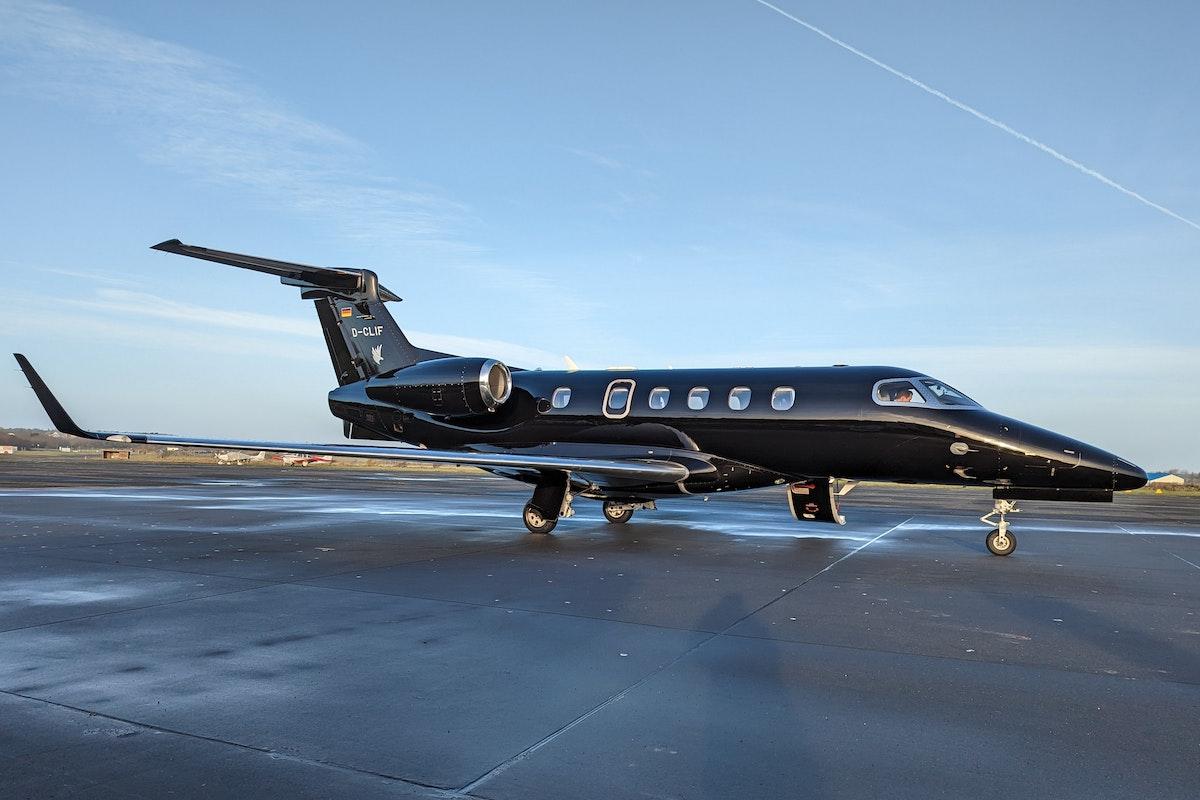
As we enter this new era of autonomous flight, a pressing question arises: Will we still need pilots in the cockpit of private jets? In this article, we will explore the potential future of fully autonomous private jets, the technological advancements that make them possible, and the impact this innovation could have on pilots, passengers, and the aviation industry as a whole.
What Does Fully Autonomous Flight Mean?
Fully autonomous flight refers to a system where the aircraft operates without any direct human control. The aircraft would be able to handle all aspects of flight, including takeoff, navigation, in-flight adjustments, and landing, with minimal to no intervention from a pilot or crew. Autonomous jets would rely heavily on AI-based flight systems, advanced sensors, machine learning algorithms, and real-time data to make decisions and respond to various flight conditions.
The level of autonomy in aviation is often classified into different stages, ranging from Level 1 (full manual control by the pilot) to Level 5 (full autonomy with no human oversight). Currently, most commercial and private aircraft are at Level 3, where the aircraft can perform some autonomous functions, such as autopilot, but the pilot is still needed to intervene if necessary. Level 5 autonomy would mark the stage where no pilot is required at all, and the aircraft can operate completely independently.
The Technological Advancements Driving Autonomous Jets
The idea of a fully autonomous private jet may sound futuristic, but the technology needed to make it possible is already in development. Several key advancements are driving this movement forward:
- Artificial Intelligence and Machine Learning
AI and machine learning are at the heart of autonomous flight technology. These systems are capable of analyzing vast amounts of data from a variety of sources, including weather conditions, air traffic, engine performance, and flight paths, and making real-time decisions to optimize the flight experience.
Machine learning algorithms can also help the aircraft adapt to new situations by learning from past experiences and continuously improving their performance. For example, if a certain flight route consistently experiences turbulence, the AI could adjust the flight path to avoid that area in future flights, enhancing the overall passenger experience.
- Advanced Sensors and Real-Time Data
For autonomous aircraft to operate safely, they need to be equipped with advanced sensors that provide real-time data about the environment. These sensors include radar, LIDAR (Light Detection and Ranging), cameras, GPS systems, and barometers to monitor altitude, speed, and surrounding airspace.
By integrating all this data, autonomous jets can detect obstacles, avoid collisions, and make necessary adjustments to the flight path. In addition, weather radar systems can predict and avoid storms, while collision avoidance systems ensure safe separation from other aircraft.
- Robust Communication Systems
A fully autonomous private jet will need a reliable and secure communication system to stay connected with air traffic control, especially during more critical stages of flight such as takeoff and landing. The aircraft will rely on real-time data exchange between the jet and external systems to receive clearance for takeoff, monitor air traffic, and make any necessary adjustments during flight.
Moreover, advanced satellite communication systems will ensure that the jet maintains constant contact with ground-based support teams, allowing for remote monitoring and assistance if needed. While autonomous aircraft are designed to operate independently, human oversight will likely still be part of the system for some time.
- Autopilot Systems and Flight Management Software
The autopilot systems used today in commercial and private jets are already capable of managing many aspects of flight, such as maintaining altitude, speed, and course. In the future, autopilot systems will become more advanced, with the ability to manage more complex tasks like automatic navigation and fuel management.
Furthermore, flight management software will play a crucial role in calculating the most efficient flight paths, reducing fuel consumption, and enhancing overall performance. This software will also handle emergency protocols, ensuring that the jet can safely navigate difficult situations without human intervention.
What Would a Fully Autonomous Private Jet Look Like?
In the future, a fully autonomous private jet would have a radically different design and passenger experience compared to current aircraft. Some of the key features that could define these next-generation jets include:
- Pilotless Cockpit
The most obvious feature of a fully autonomous private jet would be the absence of a pilot cockpit. Instead of the traditional pilot and co-pilot seats, the cockpit may be replaced with advanced control panels, AI-based monitoring systems, and automated flight controls. Passengers might also have access to personalized flight control systems, allowing them to influence aspects of the flight (such as route changes or cabin environment) through simple touchscreens or voice commands.
While there may still be an option for a backup pilot or flight engineer to oversee operations remotely, this will become increasingly unnecessary as AI and autonomous systems prove to be reliable.
- Fully Integrated In-Flight Experience
Without the need for pilots to focus on manual flight control, passenger comfort and experience will be enhanced. The interior of fully autonomous private jets could be equipped with AI-powered features that adjust to individual preferences. For example, lighting, temperature, seating, and entertainment systems could all be controlled through biometric sensors that detect passenger preferences and adjust the environment accordingly.
Additionally, autonomous jets could be equipped with advanced communication systems, allowing passengers to directly interact with the aircraft’s AI for assistance, personalized services, or entertainment recommendations.
- Remote Monitoring and Maintenance
In a fully autonomous private jet, human oversight may still be necessary in terms of monitoring the aircraft’s performance and ensuring safety. However, this oversight could be provided remotely, where a dedicated team of experts keeps track of the aircraft’s systems in real time.
Additionally, predictive maintenance systems powered by AI and sensors could monitor the health of the jet’s components, automatically scheduling maintenance or repairs as needed. This would minimize downtime and enhance the jet’s longevity, while also ensuring that the aircraft is always in top condition for safe operation.
Will Pilots Become Obsolete?
One of the most pressing questions surrounding autonomous aircraft is whether pilots will still have a role in the cockpit. The answer is not entirely clear, but the most likely scenario is that pilots will not become completely obsolete – at least not in the near future.
While AI-driven systems may be able to handle most aspects of flight, pilots will still be needed for several reasons:
- Safety and Emergency Protocols
In certain situations, human judgment may still be necessary, especially during emergencies or unpredictable events that the AI systems are not trained to handle. Pilots bring their experience, instincts, and critical thinking to the cockpit, something that AI is still far from replicating.
- Customer Assurance and Trust
Many passengers may feel more comfortable knowing that a human pilot is onboard, especially during complex flight operations. While autonomous systems may be able to handle the flight, passengers may still expect a pilot for emotional reassurance and trust.
- Regulatory and Legal Considerations
Regulations surrounding autonomous aviation are still evolving. Many countries and aviation authorities are reluctant to fully accept autonomous aircraft until they have been rigorously tested and proven to be as safe as human-piloted planes. Pilots will likely continue to play a role in the regulatory process until these systems are fully accepted and legally allowed to operate without human oversight.
Conclusion
Fully autonomous private jets are no longer the stuff of science fiction. As AI, machine learning, and sensor technologies continue to advance, we are getting closer to the reality of self-flying jets. While the role of pilots may evolve, they will likely continue to play a key role in aviation for some time, especially when it comes to safety and emergency situations.
Ultimately, fully autonomous jets could bring about a revolution in air travel, offering increased efficiency, enhanced passenger experiences, and reduced costs. However, the transition to autonomous flight will require careful consideration of safety, regulatory standards, and passenger trust. As technology continues to advance, we may one day find ourselves soaring through the skies without a pilot in sight.