


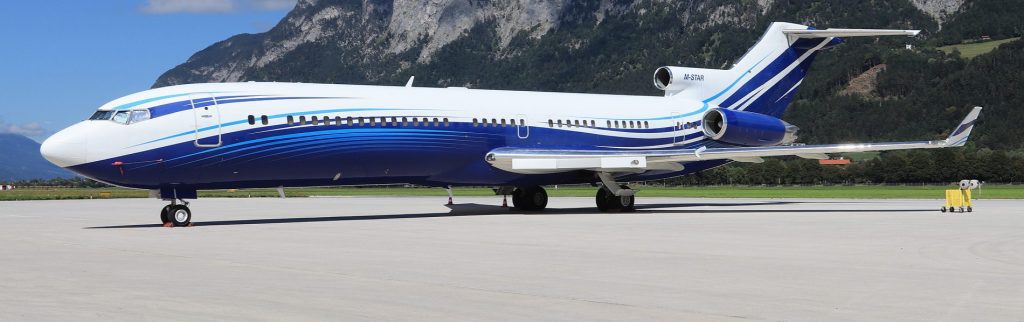
Introduction: The Rise of Fractional Jet Ownership in 2025
Private jet travel, once reserved for billionaires and global CEOs, has transformed dramatically. In 2025, fractional ownership has become one of the smartest ways to access luxury air travel without buying an entire aircraft. This innovative financing model lets individuals and businesses own a share of a private jet — allowing them to enjoy the benefits of ownership at a fraction of the cost.
But how does fractional ownership work in private jet financing, and what makes it different from chartering or leasing? This comprehensive guide breaks it all down — from financing structures to tax advantages and real-world benefits.
What Is Fractional Ownership of a Private Jet?
Fractional jet ownership is a co-ownership model where multiple parties share the purchase, operation, and maintenance costs of an aircraft. Instead of buying a whole jet, owners purchase a fraction — usually between 1/16 and 1/2 — which corresponds to a specific number of flight hours per year.
For example:
-
1/16 share = about 50 flight hours per year
-
1/8 share = about 100 flight hours per year
This model provides access to a jet as if it were your own — but without the massive upfront investment or ongoing financial burden of full ownership.
How Fractional Ownership Works in Private Jet Financing
1. Purchasing the Share
Buyers purchase a share of the aircraft based on their expected annual flight hours. This share determines their financial contribution and usage rights.
2. Financing Options
Owners can pay cash or finance their fractional share. Financing is typically done through:
-
Specialized aviation lenders (like Global Jet Capital or AOPA Finance)
-
Private banks with aircraft divisions
-
Leasing programs structured around fractional shares
Interest rates for fractional ownership loans in 2025 range between 6% and 9%, depending on credit profile, aircraft model, and term length.
3. Monthly Management Fees
Each owner pays a fixed monthly management fee that covers:
-
Crew salaries and training
-
Hangar fees
-
Insurance
-
Scheduled maintenance and inspections
This ensures predictable costs and professional jet management.
4. Hourly Operating Costs
When flying, owners pay an hourly usage fee that includes:
-
Fuel
-
Catering
-
Airport handling
-
Cleaning and cabin services
This “pay as you fly” approach keeps costs tied directly to actual usage.
The Benefits of Fractional Ownership
Lower Upfront Costs
Instead of paying $5–$60 million for a full aircraft, fractional owners invest only for the portion they need. For example, a 1/8 share in a $12 million jet might cost around $1.5 million, making private aviation accessible to more individuals and companies.
Guaranteed Availability
Most fractional programs guarantee access to the same or a comparable aircraft within a few hours of booking — ensuring convenience and reliability.
Professional Maintenance & Management
All operational concerns are handled by the management company, allowing owners to enjoy luxury travel without logistical headaches.
Tax Benefits
In the U.S., IRS Section 179 and bonus depreciation rules can offer major tax deductions on fractional shares used for business purposes. Owners can often deduct a large portion of their acquisition cost and operating expenses.
Predictable Exit Strategy
At the end of the contract term (usually 5 years), owners can sell back their share at fair market value, reinvest in another program, or upgrade to a newer aircraft model.
Key Players in the Fractional Jet Ownership Market (2025)
-
NetJets – The pioneer and leader in fractional jet ownership, offering multiple aircraft types.
-
Flexjet – Known for luxury service and cutting-edge aircraft options.
-
PlaneSense – Focused on smaller turboprops and mid-size jets for regional travel.
-
Airshare – Offers flexible days-based ownership rather than hourly.
-
Nicholas Air – Tailored private jet programs with fractional and lease options.
Each of these programs structures their financing and usage slightly differently, but all follow the same shared-ownership concept.
Fractional Ownership vs. Full Ownership vs. Jet Card
| Feature | Fractional Ownership | Full Ownership | Jet Card / Charter |
|---|---|---|---|
| Upfront Cost | Medium (Share of Aircraft) | Very High | Low |
| Control | Shared | Full | None |
| Availability | Guaranteed | Full | Limited |
| Tax Deductions | Yes (Business Use) | Yes | Usually No |
| Flexibility | Moderate | High | Very High |
| Maintenance Responsibility | None | Full | None |
This comparison shows why fractional jet ownership has become the perfect middle ground for frequent flyers who value ownership without full responsibility.
Financial Example: How the Numbers Work
Let’s say you buy a 1/8 share in a $12 million jet.
| Item | Cost (USD) |
|---|---|
| Acquisition Cost | $1,500,000 |
| Monthly Management Fee | $15,000 |
| Hourly Operating Cost | $2,500 |
| Annual Flight Hours | 100 |
| Total Yearly Cost | ≈ $600,000 |
That’s equivalent to $6,000 per flight hour, including all expenses — significantly cheaper than ad-hoc chartering for regular flyers.
Legal & Contractual Considerations
Before entering a fractional ownership agreement, it’s crucial to review:
-
The management contract – Defines rights, scheduling, and service levels.
-
Exit clauses and resale conditions – Ensure liquidity and fair market valuation.
-
Insurance policies – Verify adequate coverage for shared operations.
-
Tax compliance – Consult aviation tax specialists to maximize deductions and avoid IRS issues.
Who Should Consider Fractional Jet Ownership?
Fractional ownership is ideal for:
-
Executives or business owners flying 50–200 hours per year.
-
Companies seeking tax-efficient travel solutions.
-
Families or entrepreneurs who want flexibility and comfort without owning an entire aircraft.
-
Investors who see aviation as both a lifestyle and an asset opportunity.
Future Trends in Fractional Jet Financing (2025–2030)
-
Digital contracts and blockchain-based ownership verification
-
Sustainability-focused programs offering carbon-neutral flight credits
-
Flexible hybrid programs combining fractional ownership and jet card benefits
-
AI-based fleet optimization, ensuring faster aircraft access and reduced downtime
The next wave of innovation will make private jet ownership even more personalized, efficient, and environmentally conscious.
Conclusion
Fractional ownership in private jet financing represents the best of both worlds: ownership-level privileges and convenience, combined with shared costs and professional management. For those who fly often but not enough to justify full ownership, this model provides unmatched value, comfort, and efficiency.
As aviation financing evolves, fractional ownership continues to redefine luxury travel — making the skies more accessible, sustainable, and intelligent.


