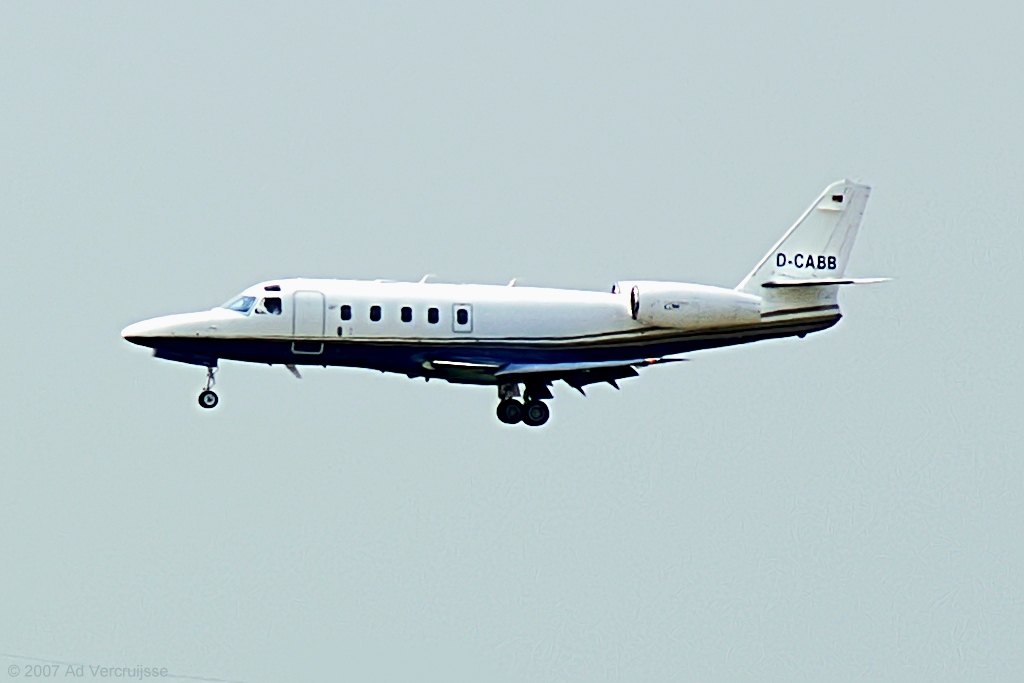
Astra/Gulfstream 1125 SPX
Owning a private jet offers many perks, from the freedom to travel at your own pace to the comfort of luxury air travel. However, like any significant investment, private jet ownership also comes with a host of financial considerations, particularly in the realm of taxation. What many private jet owners may not realize is that there are various tax incentives available that can help reduce their overall tax liability, optimize ownership costs, and unlock additional savings.
In this guide, we will break down how private jet tax incentives work from both a legal and creative perspective, offering key insights on how owners can take advantage of available breaks, credits, and strategies to maximize their financial benefits.
- Understanding Private Jet Tax Incentives
Private jet tax incentives are provisions in the tax code that allow jet owners to reduce their tax burden through specific deductions, credits, or exemptions related to the ownership and operation of their aircraft. These incentives are designed to make private aviation more financially viable, especially for business owners and corporate fleets that rely on aircraft for operational purposes.
These incentives are available in various forms and can significantly reduce costs when used strategically. They apply to business aircraft owners, high-net-worth individuals, and even those using jets for charter services.
- Types of Tax Incentives for Private Jet Owners
There are several tax incentives available for private jet owners, each with its own set of requirements and benefits. Let’s explore the most common types:
- Depreciation Deductions
One of the most significant tax incentives available to private jet owners is the ability to depreciate the value of the aircraft over time. The IRS allows owners to depreciate the value of the jet over a set period, which can result in substantial deductions. This is particularly advantageous for business owners who use the jet for work-related purposes, as it lowers the taxable income.
Under the Modified Accelerated Cost Recovery System (MACRS), most private jets are depreciated over five years, allowing owners to deduct a portion of the aircraft’s value each year. There are also special provisions for bonus depreciation, which allows for a larger deduction in the first year of ownership.
- Bonus Depreciation: Under the Tax Cuts and Jobs Act (TCJA), private jet owners can take advantage of 100% bonus depreciation in the first year if the jet is used at least 50% for business purposes. This means that you can deduct the entire cost of the jet (up to certain limits) in the first year, a significant advantage for those making high-value purchases.
- Section 179 Deductions: Another way to reduce taxes in the early years of ownership is through Section 179, which allows owners to deduct the entire purchase price of an aircraft, up to certain limits, in the year the jet is placed in service. However, these deductions apply primarily to jets that are used for business purposes and have a weight under 6,000 pounds.
- Fuel Tax Exemptions
Some jurisdictions provide fuel tax exemptions or rebates for private jets that are used for business travel. This can significantly reduce the operational costs of owning a private jet. For instance, if the jet is flying in and out of states or countries that offer fuel tax exemptions, owners can avoid paying the usual fuel taxes, which can be as high as 40 cents per gallon in some locations.
Moreover, fuel tax exemptions can be applied to business use flights, meaning that if the aircraft is used for corporate travel or to transport employees, the owner may qualify for a rebate or exemption.
Legal best practices include:
- Documenting business use of the aircraft to qualify for exemptions.
- Tracking fuel purchases and locations to ensure compliance with local fuel tax laws.
- Staying up-to-date with changing fuel tax regulations in key travel regions.
- Sales Tax Exemptions
Depending on the state or country in which a private jet is purchased, owners may be eligible for sales tax exemptions. In the U.S., some states such as Delaware, Nevada, and Alaska do not impose sales tax on aircraft purchases, making these states attractive options for individuals looking to reduce upfront tax costs.
Even in states where sales tax applies, some jurisdictions may offer sales tax exemptions for specific types of aircraft purchases, such as those used for business purposes or for international flights. If the aircraft is purchased for business use, many jurisdictions allow sales tax deductions or reduced rates.
Legal best practices for navigating sales tax exemptions include:
- Registering the jet in tax-friendly states where sales tax may not apply.
- Consulting with a tax advisor to ensure the purchase qualifies for any available exemptions.
- Structuring ownership through a corporate entity that may qualify for sales tax reductions.
- Charitable Contribution Deductions
Private jet owners who choose to donate their aircraft or make flights for charitable purposes may be eligible for tax deductions. The IRS allows aircraft donations to be deducted as charitable contributions, which can significantly reduce an owner’s taxable income.
The tax deduction applies when the private jet is donated directly to a qualified charity or used for charitable flights (e.g., transporting patients or supplies). Owners can deduct the value of the jet or the costs associated with the flights (such as maintenance, fuel, and operational expenses) on their tax returns.
Legal best practices for charitable deductions include:
- Documenting donations of the aircraft, including the fair market value of the jet at the time of donation.
- Ensuring that the charity is a qualified tax-exempt organization recognized by the IRS.
- Tracking flight expenses for charitable missions to claim deductions.
- Creative Tax Planning Strategies for Private Jet Owners
While understanding the legal aspects of tax incentives is essential, owners can also use creative strategies to maximize their tax savings and minimize their liabilities. Here are a few innovative approaches:
- Aircraft Leasing
Leasing the aircraft to a business or to a third party is one way to unlock significant tax benefits. Leasing arrangements allow owners to generate income from the aircraft while also benefiting from tax incentives. The income generated through leasing can offset some of the operational costs of ownership, and owners can continue to benefit from depreciation deductions and operational tax credits.
- Combining Aircraft with Business Expenses
To maximize tax savings, many owners structure the purchase of their jet within their business entities. This allows them to apply tax incentives such as depreciation, sales tax exemptions, and operational tax deductions directly to the business, which can provide significant savings.
For example, if the jet is primarily used for business purposes, the owner may qualify for section 179 deductions and bonus depreciation, allowing them to claim a large portion of the aircraft’s cost in the first year. This structure also allows the owner to deduct operating expenses, including fuel, maintenance, and pilot fees.
- Structuring Ownership through LLCs or Trusts
Another creative approach involves holding the aircraft in an LLC or trust. This structure not only protects the owner’s personal assets but can also provide certain tax benefits. For example, LLCs can pass through income and deductions to their owners, allowing for more efficient tax reporting. Trusts, on the other hand, offer estate-planning advantages and can potentially reduce the tax burden on the jet when transferred to heirs.
- The Role of Professional Advisors in Maximizing Tax Incentives
Given the complexity of private jet tax laws and the potential for significant savings, it is crucial for jet owners to work with tax advisors, aviation law experts, and financial planners. These professionals can help owners navigate the ever-changing landscape of aviation tax incentives and ensure they are taking full advantage of available benefits.
Legal and financial experts will:
- Identify eligible tax credits, deductions, and exemptions based on the owner’s specific circumstances.
- Ensure proper structuring of the ownership, financing, and operational arrangements to maximize tax savings.
- Stay updated on changes in tax laws and regulations that could impact the owner’s tax liability.
Conclusion
Private jet ownership is a significant financial commitment, but with the right strategies and an understanding of tax incentives, it can become a more manageable and profitable investment. By utilizing various tax deductions, credits, and exemptions, owners can reduce their overall tax burden and enjoy the benefits of luxury air travel with fewer financial concerns.
Whether you are purchasing your first jet or managing a corporate fleet, understanding and creatively applying private jet tax incentives can lead to significant cost savings and financial optimization. Always remember to consult with tax professionals to ensure compliance and to unlock the full potential of your aircraft ownership.